Anna Hakobyan Discusses the 'Erato' Battalion
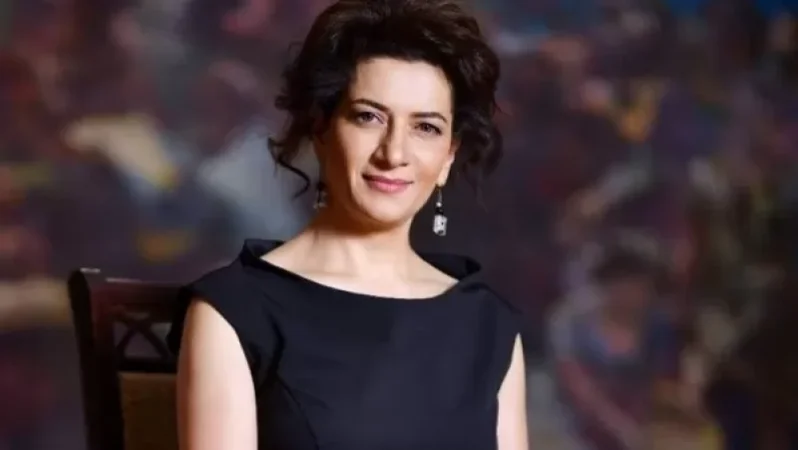
Anna Hakobyan, the wife of Prime Minister Nikol Pashinyan, has spoken about her initiative 'Women for Peace.' Previously, Hakobyan had addressed her created 'Erato' battalion.
"In the summer of 2018, I initiated the 'Women for Peace' campaign. My message for the campaign was as follows: 'As women and mothers, we call upon all parties involved in the Nagorno-Karabakh conflict, and the mediating countries, to never allow the resumption of hostilities and not to endanger the lives of Armenian and Azerbaijani young soldiers. We call on all women, influential and authoritative women, and the wives of state leaders to join this initiative, making it stronger and more powerful.'"
The ultimate goal of the campaign was to mobilize hundreds of thousands of Armenian women who could serve as examples and impart courage to Azerbaijani women living under oppression, making it possible to avert a large-scale war and adopt an alternative approach to resolving the conflict.
So what happened? What happened was that in its embryonic stage, the 'Women for Peace' campaign failed, facing the deathly silence of Armenian women (let me apologize to the few women who supported the initiative, and all those who did so in the form of Facebook comments). In the 'I Support' section of the campaign's official page, 790 individuals and 17 organizations registered. Of course, Armenian mothers could not disagree with the campaign’s message and say, 'No, we want both our children and Azerbaijani children to be sacrificed in war. This is inconceivable.'
So what was the problem? The problem was that alongside the launch of the campaign, the following thesis was thrown into the public sphere: 'Who are you to beg for peace on behalf of Armenian women? An Armenian woman does not beg for peace; she demands it. An Armenian woman is not only born of lions but is a lion herself and, if necessary, will take up arms and die in battle with her son, but she will not beg for peace.'
I also stated that during the coverage of the April war, I saw the same fear in the eyes of both Armenian and Azerbaijani soldiers aged 18-20, and I am confident that our boys would again be heroes on the battlefield, but let us not incite them to that heroism. In response to this, another thesis was thrown into the public sphere: 'What fear? How dare you draw an equal sign between our soldier and the Azerbaijani soldier? An Armenian mother only gives birth to a brave, fearless soldier.'
Thus, these hollow sentences were enough to control and restrain Armenian women. The fear of falling into the 'list of traitors' was so powerful.
And that those sentences were hollow became apparent during the war. There are 1,231,584 women in Armenia over 18 years of age. I am not even speaking about several million lion-hearted Armenian women living in the diaspora. When the head of state called upon everyone, including women and girls, to form battalions during the war, only one battalion was formed: the 'Erato' (12 members), and one company: 'Sose' (100 members). And our children were left alone, facing the enemy in a treacherous and unequal war. And, of course, they overcame their fears, fought inhuman battles, became heroes, many fell heroically.
For two years, I have been thinking whether I did not invest enough effort in the 'Women for Peace' campaign. I thought that the voice and persistence of the leader's wife should be sufficient for self-organization. We have hundreds of women's unions, councils, associations, collectives, NGOs, renowned and authoritative women in art, science, politics, and many other fields. Some of them self-organize with great activity around stages and banquet tables on the occasions of March 8 and April 7, listening intently to poems dedicated to the Armenian woman who gives birth to lions, protects, and preserves her homeland and hearth. Others hold seminars and forums dedicated to raising the role and significance of women. In one place, they deliver serious speeches; in another, they speak, talk, and rejoice. However, just before and after these two festive days is real life, where the race to memorize the 'rules of mourning' is underway. Everyone teaches everyone else what not to do and, most importantly, how to mourn correctly, convincingly, with maximal visibility and loudly. It is surprising—why do we not yet have a 'Grief Police'? I am sure tens of thousands of applications would be received to serve in that structure.
It is not a fact, of course, that the 'Women for Peace' campaign would have stopped the war. But we do not even know because we did not act. And the problem is not even that but taking responsibility and having the courage to express a stance, at least when the life and death of your own child are being determined.
I do not want to believe that the utmost capability of the Armenian woman is to pray or curse and to weep posthumously for her heroes.
P.S. For two years now, there has been a community-wide discussion about why we chose the name of Queen Erato for the battalion. The fact that she is the descendant of Tigran the Great and the first ruling queen in the history of Armenia does not seem to be noteworthy. They say she is a defeated queen. But maybe she lost because she was surrounded by weak-willed traitors serving the interests of foreign empires that undermined the Armenian state? I believe this is a hypothesis that has the right to exist," Hakobyan wrote on Facebook.
Նմանատիպ հոդվածներ
Ավելին Politics բաժնից
Կարևոր ուղերձ՝ ՌԴ–ՀՀ հարաբերությունների ֆոնին
ՌԴ-ն պնդում է` ամերիկյան միջուկային զենքը պետք է դուրս բերվի Եվրոպայից

Վերահաշվարկից հետո կուսակցությունների ձայների հաշվեկշռում փոփոխություններ են արձանագրվել