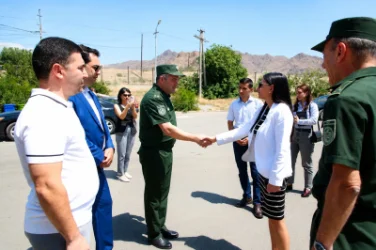
Azerbaijan Reluctant to Discuss Artsakh Issue with Armenia: Foreign Ministry Spokesman
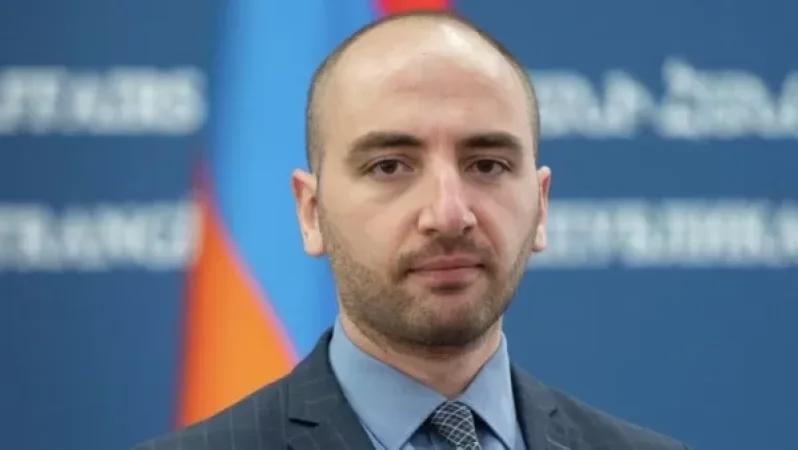
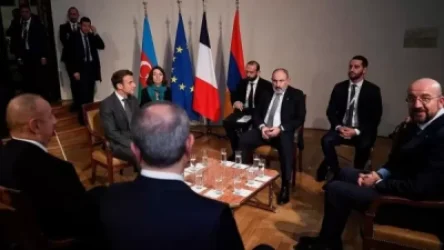
Following the quadrilateral meeting held in Prague on October 6 between Armenian Prime Minister Nikol Pashinyan, French President Emmanuel Macron, European Council President Charles Michel, and Azerbaijani President Ilham Aliyev, a statement was released. In an interview with Armenpress, Vahan Hunanian, the spokesperson for the Armenian Ministry of Foreign Affairs, clarified several points concerning the statement.
“The Armenian side has repeatedly stated that the territorial integrity and sovereignty of the Republic of Armenia are not negotiable. We view the affirmation of this position by the Armenian side in the statement adopted after the quadrilateral meeting in Prague as an important step towards the restoration of the Republic of Armenia’s territorial integrity. Regarding the withdrawal of Azerbaijani armed forces from the sovereign territory of the Republic of Armenia, the cessation of Azerbaijani encroachments on the sovereign territory, and the unconditional observance of the ceasefire regime, these are imperative under any circumstances, especially in the context of the Prague statement. Additionally, the affirmation of commitments by Armenia and Azerbaijan to the UN Charter and the 1991 Almaty Declaration will serve as the basis for drafting a peace treaty between the two countries, as well as for border delimitation work,” Hunanian stated.
Addressing the lack of reference to the Artsakh issue in the statement, the spokesperson noted that Azerbaijan is reluctant to discuss this matter with Armenia. “International partners also arrive at the conclusion that issues regarding the security and protection of the rights of the Armenian population of Nagorno-Karabakh require clarification, and discussions between Stepanakert and Baku are essential in this regard, with the establishment of an internationally visible mechanism. Armenia, of course, includes this issue in the framework of discussions with Azerbaijan,” Hunanian emphasized.
He noted that the EU civilian mission would be active along the border between Armenia and Azerbaijan within the sovereign territory of the Republic of Armenia. “In light of the above, we must state that there is no issue of Azerbaijan's consent or disagreement. The objectives of the EU civilian mission, as noted in the statement, are to strengthen confidence and support the border commissions with their observations. It might be premature to speak about the specifics of the mission's functions and powers, the exact locations of deployment, and other such details, as these issues are still in the realm of working discussions,” Hunanian highlighted.
Regarding the urgent return of Armenian prisoners of war and civilians unlawfully held in Azerbaijan, Hunanian stated that this issue is consistently raised during discussions with international partners. “The meetings in Prague were no exception,” he noted.
It should be noted that during the quadrilateral meeting held in Prague the day before, Armenia and Azerbaijan committed to recognizing each other's territorial integrity. An agreement was reached on the deployment of an EU civilian observation mission along the border.
Նմանատիպ հոդվածներ

Ավելին Politics բաժնից
Զորքերում վերահսկողության բացերը հանգեցնում են ողբերգությունների. Աբրահամյան
Մեծ Բրիտանիան թույլատրել է ԱՄՆ-ին օգտագործել իր ռազմաբազաները Իրանի դեմ գործողությունների համար
Ինչու Զելենսկին հեռացրեց Սիրսկուն իր պաշտոնից. նոր մանրամասներ