Babayan on the Possibility of Direct Negotiations Between Artsakh and Azerbaijan
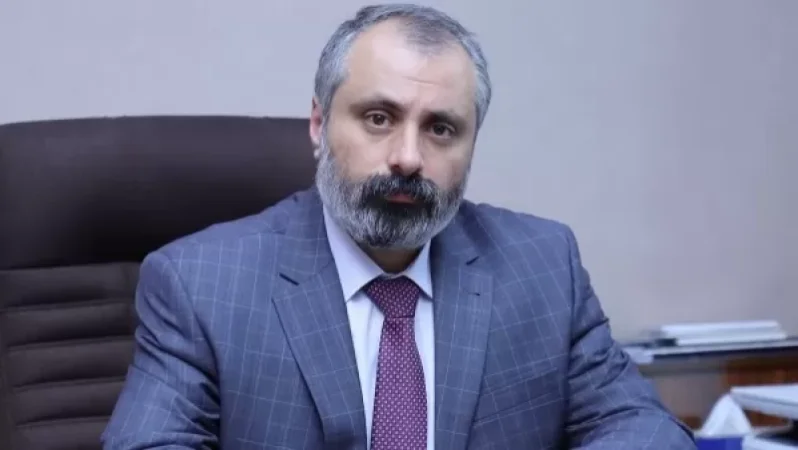
Artsakh Republic Foreign Minister David Babayan has addressed the possibility of direct negotiations between Artsakh and Azerbaijan. In an interview with Armenpress, Babayan emphasized that there is a clear format for the resolution of the Nagorno-Karabakh conflict, which was accepted during the 1994 OSCE Budapest Summit.
“The issue is to maintain that format in which Artsakh is recognized as both a party to the negotiations and the conflict. We are, of course, ready to engage in direct negotiations with Azerbaijan, but it is necessary to have a comprehensive resolution of the conflict involving the co-chairs of the OSCE Minsk Group, Azerbaijan, Artsakh, and Armenia in this process. Direct negotiations can be understood in different ways, but when we speak about the political issue, Azerbaijan must recognize our subjectivity and Artsakh as a full party to the conflict, only then can we negotiate as equals,” said David Babayan.
He noted that it is natural for Azerbaijan to do everything possible to avoid meeting with Artsakh representatives and discussing the resolution of the Nagorno-Karabakh conflict; therefore, efforts should be made to restore a comprehensive format. “There are exchanges that are necessary. For example, if their side has shepherded across, there should be some engagement to return him, as well as to search for the remains of our fallen soldiers, naturally with the Russian peacekeepers. In other words, interactions are necessary whether we want them or not, but to call these negotiations on external political issues is, of course, incorrect,” explained Babayan.
David Babayan also addressed the issue of priorities and agenda items on the diplomatic front in the context of Azerbaijan’s recent attacks on Armenian sovereign territories, considering security challenges. He assesses that it is essential to pursue a very thoughtful and wise foreign policy, understanding that the security of Artsakh and the reliable, dignified future of its people cannot be ensured without it.
“It is necessary to avoid adventurism. We have natural allies, brotherly countries. In general, the Armenian people, like the Jews, are among the few capable of having normal relations with many countries, even those that have poor relations with each other. We have a Diaspora and are obliged to maintain good relationships with all the countries where there are Armenian communities. This serves our interests, which does not mean that one must be at the expense of the other. I consider this unacceptable. Given that 3 million Armenians live in Russia, why should we be anti-Russian, especially when the future depends on that? If there were no Russian peacekeepers, there would be no Artsakh. This does not mean that we should become enemies with the West, not at all, because there are 2 million Armenians in the USA. Should the only criterion for being pro-Western be anti-Russian sentiment? This is not a normal phenomenon. We must have good relations with our natural ally, which have been formed objectively over a long period of time.
In general, any civilization should be studied and respected; one should think about what can be borrowed from there that may be useful to us. I believe this is the correct approach,” concluded David Babayan.
Նմանատիպ հոդվածներ


Ավելին Politics բաժնից
Ադրբեջանի տարածքային ամբողջականությունը ճանաչել ենք․ Փաշինյան

ԿԳՄՍ նախարարը՝ մինչև 16 տարեկան երեխաների մուտքը սոցիալական ցանցեր սահմանափակելու մասին
Հունաստանի կոպիտ արձագանքը՝ Թուրքիայի ընդունած նոր օրենքին