Armenia's Ministry of Foreign Affairs Issues a Statement

The Ministry of Foreign Affairs of the Republic of Armenia has issued a statement in connection with the second anniversary of the war unleashed by Azerbaijan against Nagorno-Karabakh.
The statement reads: "Two years ago, on September 27, Azerbaijan, openly ignoring the UN Charter and the Helsinki Final Act, unleashed a large-scale war against Nagorno-Karabakh and its people. Today, once again, we bow our heads and commemorate the memory of the fighters who fell in the 44-day war, who fought to stop the existential threat faced by our compatriots.
The war unleashed by Azerbaijan against Nagorno-Karabakh was a criminal manifestation of Azerbaijan's state policy to subject the Armenian people to ethnic cleansing, depriving them of their right to live and create freely and safely in their historic homeland, and thereby resolving the Nagorno-Karabakh issue through the use of force. This is evidenced by the continuous warmongering, supremacist, and anti-Armenian statements from the Azerbaijani leadership both before and during the war as well as in the post-war period.
Throughout the 44-day war, the Azerbaijani armed forces committed gross violations of international humanitarian law and human rights, war crimes, and other serious atrocities through missile, artillery, and air strikes, including the use of prohibited weapons, deliberately targeting the civilian population, civilian infrastructure, settlements, and cultural monuments. Armenian servicemen and civilians captured during the conflict were subjected to inhumane treatment and torture, and extrajudicial killings.
Many humanitarian issues remain unresolved. Azerbaijan continues to hold Armenian prisoners of war and civilians hostage, and the fates of hundreds of the missing and forcibly disappeared as a result of the First Nagorno-Karabakh War and the 44-day war remain unknown.
In areas under Azerbaijan's control, there continues to be a systematic policy of destroying Armenian spiritual and historical-cultural heritage and distorting identity. The International Court of Justice has given its clear assessment of these crimes, finding that there is an immediate danger of irreparable harm to the rights of ethnic Armenians under the International Convention on the Elimination of All Forms of Racial Discrimination. In this case, it is more urgent than ever to ensure unimpeded access and operations of relevant international humanitarian organizations in and around Nagorno-Karabakh.
Inspired by the inadequate response of the international community to the aggression and crimes committed against the people of Nagorno-Karabakh, on May 12, 2021, November 16, 2021, and September 13, 2022, the Azerbaijani armed forces carried out large-scale military aggression against the sovereign and internationally recognized territory of the Republic of Armenia.
The realities formed as a result of the use of force and mass violations of human rights, as well as ongoing military aggressions by Azerbaijan against Armenia and Artsakh in the post-war period, undermine efforts to establish regional stability and security.
Even now, through the use of force and threats of force, Azerbaijan seeks to realize its supremacist aspirations, even rejecting the very notion of Nagorno-Karabakh as a territorial unit and the existence of the Nagorno-Karabakh conflict. The Republic of Armenia categorically rejects the approach of resolving issues through the use of force and threats of force, and reaffirms its commitment to establishing lasting and comprehensive peace and stability in the region through peaceful negotiations."
Նմանատիպ հոդվածներ
India Sells Ammunition, Missiles, and Military Equipment to Armenia: EconomicTimes
Ministry of Defense Identifies Three Armenian Soldiers Killed Yesterday
Azerbaijan's Armed Forces Division Engages in Provocation: Details from the Ministry of Defense
Unknown Individuals Question Alaverdi Residents About Azerbaijan's Location, Attempt to Lure Child into Their Vehicle
Ավելին Society բաժնից

Ղրիմը մնացել է առանց ջրի
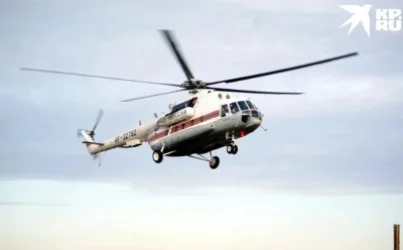
Ռուսաստանի Պրիմորիեի երկրամասում ուղղաթիռ է անհետացել, որում երկու մարդ է եղել

Շոգի ալիքը հասնում է Եվրոպա․ մի շարք երկրներում վտանգավոր բարձր ջերմաստիճաններ են