Why Does Putin Want to Provide Ukrainians with Russian Passports: Voice of America
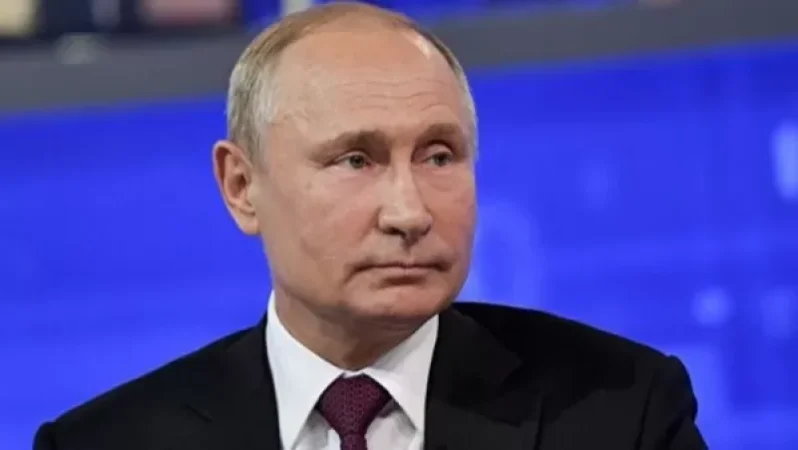
Amid statements from Kyiv about the possibility of a counter-offensive in the southern occupied regions, Russian President Vladimir Putin has signed a decree to grant Russian citizenship to all residents of Ukraine under a simplified procedure. This was reported by Voice of America.
The Ukrainian Foreign Ministry has characterized this move as a continuation of the policy of seizing the country and "Putin's new passport fantasies." Previously, the Kremlin's plans regarding the issuance of passports were limited to the self-proclaimed entities in Donbas, as well as the residents of the occupied regions of Zaporizhia and Kherson. Between 2019 and 2022, approximately 18 percent of residents from the self-proclaimed entities in Donbas received Russian passports. Earlier, in the United States, Putin's decision to grant Russian citizenship to residents of Kherson and Zaporizhia under a simplified procedure was assessed as an attempt to subjugate the Ukrainian people.
Experts say that the Kremlin's overall outrage about what is happening in Ukraine is evident. Politician Andrei Okaran believes that Putin's decree violates the principles of international law regarding citizenship. Furthermore, he believes that this action hides several covert messages.
"The decree should be read as if Ukraine is not a state and such a state should not exist in principle, and therefore all residents of Ukraine can become citizens of the Russian Federation," Okaran told the Russian service of Voice of America.
"The Kremlin has clearly revealed its true intentions—along the road of the so-called historical mistake—of eliminating Ukraine as a state. This once again emphasizes Putin's true intentions and highlights the goals that are present today. If anyone had any illusions about this, we must finally abandon them."
Andrei Okaran states that the decree is evidently of a propaganda nature. According to him, the Kremlin wants to show the world its resilience in continuing this monstrous course while simultaneously supporting the doubters, whose numbers are multiplying as the conflict drags on.
"Even in the decree, there is a noticeably high emotional component. It reflects the Kremlin's anger at the overall situation in Ukraine. This should be viewed in the same context as the failures of Russian troops on the front lines and attacks on arms depots in areas occupied by Russia," the political scientist concluded.
Meanwhile, Andrei Kolesnikov, a senior analyst at the Carnegie Endowment, believes that Putin's decree indicates the continued ambiguity of the Kremlin's war objectives, which contributes to the prolongation of this "nightmare in Ukraine."
"Regarding the resources needed to maintain the occupied territories, feed the local population, and restore destroyed cities, Moscow also absolutely lacks these resources," he said in an interview with Voice of America.
"This is an unbearable burden. It is no coincidence that there have been discussions about collecting money from public workers for this purpose by reducing their salaries, so that this burden falls on the budget of developed regions, like Moscow and the Moscow region. All of this seems inevitable, as it is impossible to obtain additional funds, especially in light of the impending economic crisis that is already being felt."
If the newly acquired territories obtain some intermediate status—independent or allegedly annexed to Russia—then, of course, this ends any prospects for even a very fragile peace, explains Andrei Kolesnikov. "If it is suddenly possible to somehow freeze the conflict, then they could easily unfreeze it at any moment, not to mention the partisan warfare that is putting up strong resistance to the occupying regimes. And this problem is for the coming years. Russia will open another Pandora's box," concluded the senior analyst at the Carnegie Endowment.
Նմանատիպ հոդվածներ
Ավելին Politics բաժնից
Ընտրական գործընթացի շուրջ նոր զարգացումներ կան
Պենտագոնի հարկերը փակվել են. մանրամասներ
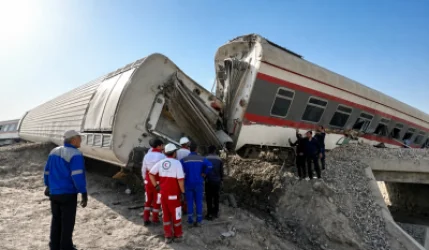
Իրանում ռելսերից դուրս է եկել մարդատար գնացքը