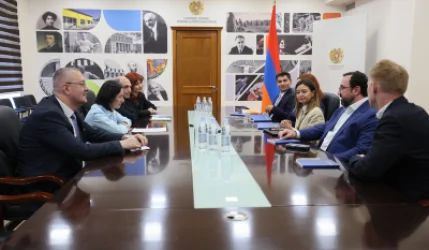
Azerbaijan May Attempt to Launch Widespread Provocation at Any Moment: Ararat Mirzoyan
On June 27, during a working visit to Greece, Armenian Foreign Minister Ararat Mirzoyan gave an interview to the Greek newspaper "Kathimerini," which is presented below.
Question: Greek-Armenian relations have traditionally been friendly. What are the prospects for their further development? What were the main themes of your discussions here in Athens?
Answer: Greece is one of Armenia's most important partners in Europe and around the world. The relationship between Armenia and Greece is based on the shared history and values of our two peoples that span millennia, as well as friendship and solidarity. For centuries, Armenians and Greeks have lived peacefully side by side, collaborated to create values and prosperity, and fought together against external oppressors. In this context, I would like to emphasize that we will never forget the sincere support of the Greek people and government during the most difficult periods of our history, the most recent example being the war in 2020. This year we are marking the 30th anniversary of the establishment of diplomatic relations between our republics. Over these three decades, more than 40 documents have been signed between the two countries. We have developed strong intergovernmental relations and formed a significant bilateral agenda ranging from active political dialogue to cooperation in defense, economy, education, culture, and other areas, as well as mutually beneficial collaboration within multilateral platforms. During my recent working visit to Greece, I had very productive discussions with President Katerina Sakellaropoulou and Prime Minister Kyriakos Mitsotakis, and held in-depth discussions with my colleague and good friend Minister Nikos Dendias. We have made progress and reached a common understanding on a number of important issues; we will continue to work on deepening our relations further. I also believe that we should consider the possibility of elevating Armenia-Greece cooperation to a significantly higher level, which would correspond to strategic partners. I am confident that we will work towards this direction in the near future.
Question: Armenia, Greece, and Cyprus have held several rounds of trilateral negotiations. How can these relations evolve in the future?
Answer: Armenia highly values cooperation in the trilateral format. To date, we have successfully held several trilateral ministerial meetings, and we expect to host a summit at the level of the leaders of the three countries. Our countries have a rich experience of cooperation and mutual support, and we believe that our states have enormous potential to promote stability, security, and peace in the region by strengthening political dialogue and cooperation between Armenia, Greece, and Cyprus. We also emphasize the importance and effectiveness of trilateral collaboration in the fields of defense, diaspora, parliamentary ties, emergency situations, IT, health, investments, tourism, education, and culture. I am confident that this format is destined for success.
Question: In 2020, a war took place in Nagorno-Karabakh. Is Armenia ready to accept the status quo that has emerged around Nagorno-Karabakh? If not, what alternative could there be?
Answer: Despite the claims of the Azerbaijani authorities that following the 44-day war in 2020, Nagorno-Karabakh, as a subject, no longer exists and that the conflict is over, the reality and the position of the international community prove otherwise: Nagorno-Karabakh exists, it exists with its Armenian population who continue to live on their ancestral land, and whose security is currently ensured by Russian peacekeepers in accordance with the tripartite statement of November 9, 2020, which halted the devastating war. The conflict does not cease to exist simply because one party declares that it does not exist. That is self-deception. Moreover, the official statements of many of our international partners and organizations, including the mediating countries, also clearly indicate that the Nagorno-Karabakh conflict still requires a final resolution through negotiations under the mandate of the OSCE Minsk Group; a resolution that guarantees the safety and protection of rights for the Armenian population of Artsakh and, accordingly, the resulting final status of Nagorno-Karabakh.
Question: You have several directions for negotiations with Azerbaijan. Could the war in Ukraine affect diplomatic developments in the South Caucasus?
Answer: The situation in the South Caucasus remains fragile. While Armenia seeks to resume comprehensive peace negotiations, including for the resolution of the Nagorno-Karabakh conflict, and thereby establish stability and peace in the region, Azerbaijan continues its policies of provocative actions and threats of the use of force. Following the situation created in Ukraine, the Azerbaijani armed forces invaded the village of Parukh in Nagorno-Karabakh, preceded by the continuous shelling of villages and civilian infrastructure, and calls to the peaceful Armenian population of neighboring villages to leave their homes under the threat of force, disruptions to gas supply for several weeks in unprecedented cold weather conditions, and so forth. Currently, as the world's attention is focused on Ukraine, Azerbaijan could attempt large-scale provocation at any moment. Therefore, it is crucial for the international community to take effective steps to prevent attempts at destabilization of the situation in the South Caucasus.
Question: Are you optimistic about the normalization of relations between Armenia and Azerbaijan?
Answer: In accordance with the trilateral statements adopted with the mediation of Russia on January 11, 2021, and November 26, 2021, as well as the agreements reached in Brussels, Armenia has initiated a constructive dialogue regarding the overall normalization of relations with Azerbaijan, the delimitation and border security between the two countries, as well as the unblocking of regional economic ties and transport communications. We reaffirm our commitment to constructive efforts in all directions, and I want to emphasize that the process would proceed much more smoothly and effectively if Azerbaijan refrained from its dangerous supremacist rhetoric and anti-Armenian propaganda, ceased the hostage-taking of numerous Armenian prisoners of war and civilians, stopped the destruction of Armenian cultural and religious heritage, and avoided hindering the entry of international humanitarian organizations into the Nagorno-Karabakh conflict zone, among other issues. Overall, we believe that despite all the blood and hatred that has existed in the region, there is a real opportunity for peace in the South Caucasus. Armenia has repeatedly reaffirmed its readiness to establish long-term stability and open a new era of peaceful development in the region. At the same time, it is clear that these efforts cannot be one-sided, and in this direction, we expect the same constructive approach and sincere practical steps from the Azerbaijani side.
Question: Recently, Armenia has begun the process of normalizing relations with Turkey. Do you expect tangible steps in this direction? What might those steps be?
Answer: The leadership of Armenia has repeatedly stated, and it is also indicated in our government program, that Armenia is ready to establish diplomatic relations with Turkey and open the border between the two countries, which Turkey unilaterally closed back in 1993. Special representatives have been appointed for the process of normalizing relations between Armenia and Turkey, and already four meetings have taken place, during which the parties have reaffirmed their commitment to continue the process of opening borders and establishing diplomatic relations without preconditions. To give positive momentum to this process, I accepted the invitation of the Turkish Foreign Minister to participate in the Antalya diplomatic forum and had a meeting with him during the forum. Today, for the process to succeed, there needs to be a willingness and political will to take concrete steps towards normalizing relations. The Armenian side has repeatedly demonstrated both, and we expect the same from the Turkish side.
Question: What is Armenia's position regarding the most sensitive issues for Greece at this moment, such as the growing tensions on the Greek-Turkish border and the Cyprus issue?
Answer: Armenia fully supports the territorial integrity and sovereignty of the Hellenic Republic. Armenia considers any actions and steps that may grossly violate the norms of international law, international maritime law, as well as the UN Charter to be unacceptable. As for the Cyprus problem, just like in the Nagorno-Karabakh issue, any attempt to present the use of force as a solution is unacceptable for us. Armenia and Cyprus have consistently provided mutual support to each other on bilateral and multilateral platforms.
Նմանատիպ հոդվածներ
Ավելին Society բաժնից
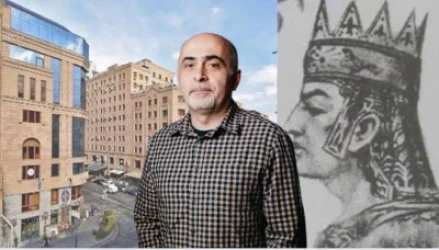
Մարտիրոսյան․ Ամիրյան փողոցը նախկինում էլ են փորձել վերանվանել, բայց անունը հետ են բերել
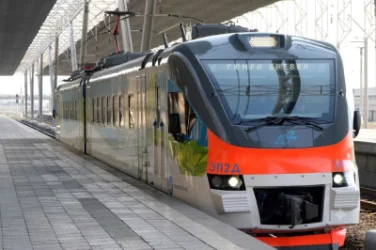
Երևան–Գյումրի էլեկտրագնացքի երթը չեղարկվել է վթարի պատճառով
Դպրոցներում ՆԶՊ դասընթացը կփոխարինվի այլ առարկայով. նախագիծ