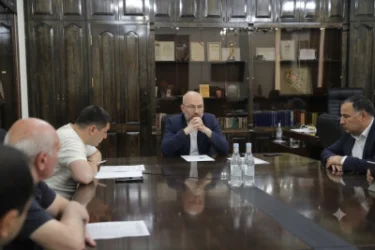
David Tonoyan Writes Article from Prison: What the Former Minister of Defense Discussed

The former Minister of Defense of Armenia, David Tonoyan, has written an article regarding the draft law on amendments to the law on Defense of Armenia. In reviewing the draft law, the background note, and the summary sheet, I decided to present my observations, although there are significant changes in the versions published on the official website of the Government of Armenia and submitted to the National Assembly that were not discussed during the Government meeting.
Uncertainty Persists
One of the primary issues is that the proposed changes continue to maintain ambiguity in military command during wartime situations, such as when no war is declared by the National Assembly, but a state of martial law is declared, or the government decides on the use of armed forces either through the implementation of a military action plan or other means. As a result, in peacetime, the minister bears primary responsibility for preparing for war, while at a critical moment, he is removed from the military command chain, despite being authorized by the proposed regulations to coordinate the implementation of the armed forces.
The second part of Article 10, Clause 3 of the amended Law on Defense requires clarification, specifically regarding what is meant by 'coordinates' the process of armed forces application and whether this authority will be executed during both cases when there is no declaration of war and when martial law is declared, and a decision has been made regarding the use of armed forces.
Clarification of Prime Minister's Functions
It is also necessary to clarify the functions of the Prime Minister concerning the application of armed forces in the event of the declaration of martial law and the non-declaration of war. Is the described situation identical to that which is characterized by 'during wartime' as stipulated in Article 155 of the Constitution of Armenia, and can there be a de facto state of war without a formal declaration?
Unclear Task when Appointing Chief of Staff as Deputy Minister
Another issue is that it is unclear what problem is being resolved by appointing the Chief of Staff as the Deputy Minister of Defense if exceptions are made in the Law on the Regulation of Administrative Legal Relations. The regulation regarding the Chief of Staff serving as the Deputy Minister of Defense had a very simple primary objective: to make the execution of orders from the Chief of Staff mandatory for structural subdivisions of the Ministry of Defense in terms of administrative legal relations. For instance, this would involve the Ministry's departments responsible for defense policy, legal, logistical, or financial matters, which would be perceived as a gross violation of civil oversight, as justly noted by the Ministry of Justice and corrected by establishing exceptions in several laws, effectively rendering the aforementioned change as merely conferring a 'new title' upon the Chief of Staff as an immediate commander, which does nothing to enhance the combat readiness of the armed forces and misleads military personnel, civil servants, and the public.
In fact, we will have a Deputy Minister of Defense without managerial powers over the Ministry's subdivisions. The proposed regulation that makes the Chief of Staff the ex officio Deputy Minister of Defense is presented as an improvement in the line of command or an increase in the effectiveness of military management; however, it should minimally be reflected in Article 16 of the same Law (Management of the Armed Forces), which remains unchanged. Consequently, the appointment of the Chief of Staff ex officio as Deputy Minister of Defense and the assignment of senior military officers to deputy positions is not reformative but transformative, as it is a return to the system that was in place prior to 2008.
The primary objectives of the reforms carried out in 2007-2008 included separating military functions from functions not typical for the military and focusing the General Staff on enhancing combat readiness and capabilities while also distancing the military from political fluctuations by implementing civilian oversight of the armed forces by the Supreme Commander (a civilian) and the Minister of Defense (as a member of the government), simultaneously excluding military personnel from carrying out functions not typical to the military and enjoying privileges intended for military personnel.
The functions not typical for military personnel involve defense policy, financial, social, informational, legal, personnel, logistical support (not to be confused with rear support), and procurement processes, which led to the establishment of the logistics support department.
Transition in Constitution Required
If a specific country's Ministry of Defense model is taken as an example, then it seems that a transition in the Constitution of the Republic of Armenia to a presidential governance system is necessary, designating the head of state as the Supreme Commander and not limiting this authority solely to wartime but also incorporating peacetime, thereby removing the subordination of the Chief of the General Staff to the Supreme Commander during wartime from the Constitution.
Another issue is that the concept of the 'defense order' should be included among the main definitions in law, clarifying what kind of document it is and which authorized body drafts and submits it for government approval.
Clause b of Part 6 of Article 7 of the proposed amendments is out of place (The Government of the Republic of Armenia implements the defense policy of the Republic of Armenia, including decisions in the field of mobilization preparation and mobilization through the implementation of the armed forces' operational plan or other means), as the use of armed forces does not only pertain to mobilization preparation and mobilization.
In my opinion, that should be defined as a separate clause. The authority of the Government to make decisions regarding the conscription for mandatory military service has been omitted from the law. I do not believe that a decision pertaining to such an important measure under public scrutiny should be regarded under Clause 7 of Part 1 of Article 7 as 'other authority.'
I find it necessary to complete Clause 1 of Part 1 of Article 7 of the law with the words 'of the Republic of Armenia' after 'the national interest's defense and/or,' because participation in military operations may occur not only under circumstances provided for by international treaties but also due to the necessity for the protection of national interests.
Նմանատիպ հոդվածներ
Ishkhan Saghatelyan Removed from Position of National Assembly Vice President
The Condition of Soldiers Involved in the Accident is Critical; Name of the Deceased Released
Azerbaijan Opens Fire with Heavy Artillery Towards Khachik Village: MoD Elaborates
Yesterday, the enemy opened intensive fire for about 10 minutes towards Khachik village
Ավելին Society բաժնից

«Աէրոֆլոտի» նախկին ղեկավար Միխայիլ Պոլուբոյարինովը դարձել է քրեական գործի հետաքննության անձ

Իրանում ամբողջությամբ վերականգնվել է օդային երթևեկությունը

3 անձի կողմից 5.5 կգ թմրամիջոցի ապօրինի իրացման փորձի վերաբերյալ նախաձեռնված քրեական վարույթի նախաքննությունն ավարտվել է