Are Russian Clerics Replacing Armenian Clerics at Dadivank?
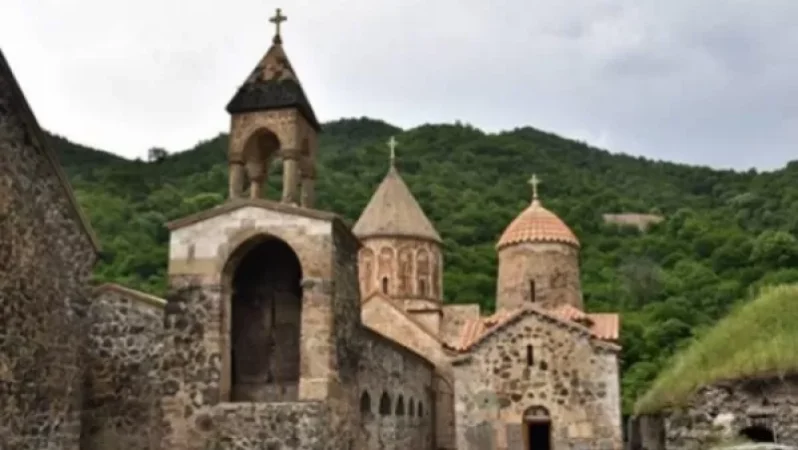
According to 168.am reports, the Azerbaijani side is attempting to change its strategy regarding the "Judaization" plans for Dadivank. Specifically, it is reported that Azerbaijan has proposed to the Russian side to replace Armenian clerics in Dadivank with clergy from the Moscow Patriarchate associated with the Russian Orthodox Church in Baku.
According to the publication, Russian cleric Archimandrite Alexey Nikonorov, who serves as the secretary of the Baku Diocese Administration and was appointed to this position on October 24, 2021, has significant influence over this issue. Nikonorov, a historian and PhD in philosophy, was born in Baku. At the beginning of the 2000s, he defended his dissertation on "Christianity in Caucasian Albania" at the Moscow Spiritual Academy. In one of his interviews, Nikonorov claimed that the Armenian Apostolic Church has "swallowed" the history and sovereignty of the Albanian Church, implying that the Armenian Church had appropriated the history of the Albanian Church.
Now, as a representative of the Russian Orthodox Church, Nikonorov is reportedly attempting to support the Udi people in their efforts to so-called "restore the Albanian Church." Furthermore, at the end of last year, Telegram channels reported that clergy at the Russian Orthodox Church in Baku had prayed for Azerbaijani President Aliyev.
Another notable fact is that in October 2021, "Sputnik Armenia" published an article stating that the Holy Synod of the Russian Orthodox Church had decided to establish a diocese in Armenia on October 15. The Synod's decision included the formation of the Diocese of the Russian Orthodox Church within the borders of the Republic of Armenia, to grant the title of "Bishop of Yerevan and All Armenia" and to have a cathedral in Yerevan.
The publication reported that six churches in Yerevan, Gyumri, and Vanadzor would fall under the episcopal jurisdiction, with the Pokrov Church in the Kanaker neighborhood of Yerevan becoming the mother cathedral. Alexander Soldatov, an editor-in-chief of the religious-analytical platform "Credo Press" and a religious commentator, expressed the opinion that this decision is an attempt by the Patriarch of All Russia to challenge the Catholicos of All Armenians, indicating a political undertone.
Specifically, as noted in the 2021 article by "Sputnik Armenia," Soldatov pointed out that it was not by chance that the Synod convened immediately after the trilateral meeting of the spiritual leaders of Armenia, Azerbaijan, and Russia, and that Patriarch Kirill's mediation did not resolve the tensions between Garegin II and Allahshukur Pashazadeh. Soldatov hinted that the Moscow Patriarchate hoped to negotiate more easily with the Armenian Catholicos.
Despite the efforts, the spiritual leaders of Armenia and Azerbaijan could not reach any agreement under the auspices of Patriarch Kirill. The decision to promptly establish a diocese of the Russian Orthodox Church in Armenia was viewed as a response to Garegin II's rhetoric, according to the religious scholar.
As a reminder, the meeting of the spiritual leaders of Armenia, Azerbaijan, and Russia took place on October 13, 2021, in Moscow, lasting several hours. Patriarch Kirill held separate meetings with Garegin II and Allahshukur Pashazadeh. Notably, a Russian oligarch born in Azerbaijan, God Nisanov, who is considered one of the leaders of the Russian Azerbaijani community and a key lobbyist for the Aliev family in Russia, was also present during the meeting with Pashazadeh.
Returning to Nikonorov, who is closely associated with representatives of Baku's political elite and benefits from the "charities" of the Heydar Aliyev Foundation while contributing to the alleged efforts to restore the Albanian Church, it should be noted that if this Azerbaijani plan involving Dadivank comes to fruition, it will create a dangerous situation within the context of the spiritual, cultural, and undoubtedly geopolitical friendship between the fraternal Armenian and Russian peoples.
Ultimately, if there are no Armenians or Armenian clergy at Dadivank, the very justification for the presence of Russian peacekeepers will dissipate, and Azerbaijan could readily raise the issue of their withdrawal. Essentially, the ball is in the court of the Russian side now, as post the signing of the November 2020 capitulation documents, the preservation of the Armenian identity of the Dadivank monastery complex came under the direct patronage of Russian President V. Putin.
Reports indicated that President Vladimir Putin had a conversation with Azerbaijani President Ilham Aliyev regarding the Ghazanchetsots and Dadivank, during which he assured Aliyev that Dadivank and the Holy Savior Ghazanchetsots Church would be under his personal protection. This, however, did not prevent the rotation of Armenian clerics serving in Dadivank from occurring with complications, nor did it restrict their ability to hold services and visitations by Armenian pilgrims for an extended period, whereas representatives of Azerbaijan's "Jewish community" have conducted numerous "pilgrimages" unimpeded.
How the Russian side will handle this test remains to be seen, as this is also a matter of maintaining Russian presence in our region—especially in the context of Western and Turkish activities.
Նմանատիպ հոդվածներ

Ավելին Society բաժնից

Այսօր երեկոյան երկնքում ուշագրավ երևույթ կլինի
ՊՆ-ն չի կարող բնակարանից վտարել արցախցի զինծառայողին. փաստաբան

Հայաստանը կարող է բախվել միգրացիոն լուրջ ճգնաժամի. ԱՊՀ-ից զգուշացնում են