Committee to Protect Journalists Calls for Rejection of Decision to Revoke Journalists' Accreditation
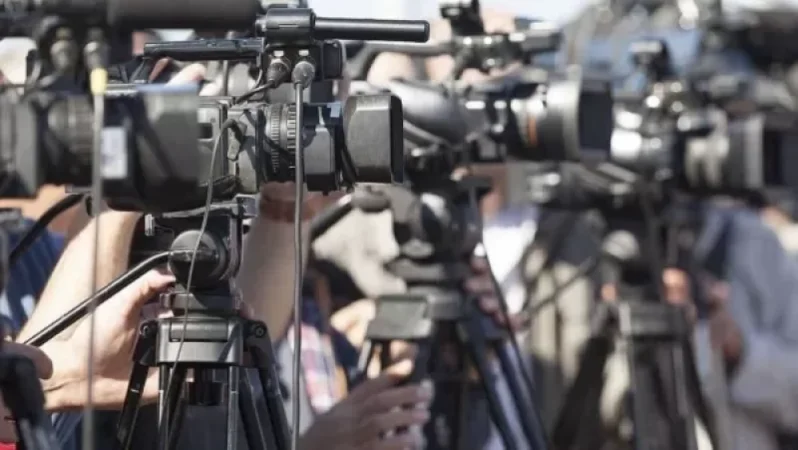
The President of Armenia, Vahagn Khachaturyan, should refrain from ratifying legislative amendments that allow government bodies to revoke journalists' accreditations. This is stated in a statement released by the Committee to Protect Journalists (CPJ).
The Armenian parliament approved amendments to the law on mass media on May 25, which allow government bodies to terminate journalists' accreditations, whereas previously, only media outlets could revoke the accreditation of their journalists with state agencies.
In an interview with CPJ, Ashot Melikyan, the head of the Freedom of Information Protection Committee, expressed concern that authorities may use these changes to prevent critical journalists from covering parliamentary sessions and other governmental events. The amendments will come into effect after being signed by the country’s president.
“The latest changes to journalist accreditation regulations are the most recent example of Armenia deviating from international standards in press legislation. Given the country’s highly polarized political landscape and the potential for selective enforcement, these amendments are alarming,” said Gulnosa Said, CPJ’s coordinator for Europe and Central Asia programs. “We urge President Khachaturyan to refrain from ratifying these amendments and call on the authorities to work with local press freedom organizations to reform the latest restrictive media laws.”
The bill's authors, two lawmakers from Armenia’s ruling Civil Contract party, do not accept that the amendments curtail press freedom. They claimed in parliament that only the accreditation of specific journalists could be revoked, not of the media outlet as a whole. Additionally, legislators asserted that media outlets would be able to replace any journalist whose accreditation has been revoked. They also argued that such amendments are necessary, claiming that “in numerous cases,” journalists have threatened and insulted lawmakers and “hindered both the activities of lawmakers and other journalists.”
In an interview with CPJ, Melikyan stated that while a small number of journalists may be guilty of inappropriate behavior, it is wrong to pass laws on that basis, as authorities could use the law as a “tool of repression” against the journalistic community. “Today, state bodies may be opposed to journalists' conduct, and later, to how journalists cover their work,” Melikyan remarked.
He added that under the amendments, journalists will be able to appeal decisions on the rejection and revocation of their accreditations through the courts, but it remains to be seen how state bodies and courts will apply the law in practice. Melikyan characterized this amendment as the “final link in the chain of regressive media legislation” in Armenia. In July and October 2021, the country criminalized defamation and tripled fines for defamation and libel, while also restricting journalists' access to the legislative chamber without prior permission and limiting media interviews in certain areas.
CPJ has reached out via email to the Armenian parliament, the presidential office, and the prime minister’s office for comments, but has not received a response.
Նմանատիպ հոդվածներ
Ավելին Society բաժնից

ԱՄՆ-ն արգելել է օտարերկրացիներին օգտագործել «Անթրոպիկ» ընկերության արհեստական բանականության ամենաառաջատար մոդելները
Հռոմի պապի ինքնաթիռը արտակարգ վայրէջք է կատարել
Ողբերգական ավտովթար․ մեքենան շրջվել է. կա զոհ