The Prosecutor General on Hovik Abrahamyan's Private Residence
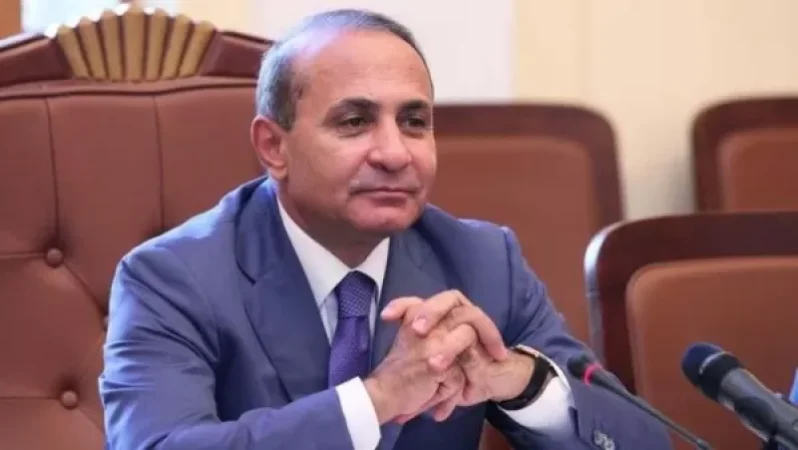
During a meeting of the National Assembly's Legal Department commission today, on April 22, MP Arpi Davoyan from the ruling party posed a question to the Prosecutor General regarding the sale of former Prime Minister Hovik Abrahamyan's private residence, which is under arrest.
“You said you were puzzled about how the property of a former official, under arrest, was sold. You also mentioned that the investigator acted hastily, sending a note to the Cadastre Committee without informing the Prosecutor and not waiting for the deadline for the appeal to expire. If this raised concerns for you, imagine what it has caused for us. What happened that led to this?” Davoyan asked.
Arthur Davtyan clarified why he previously expressed confusion during a conversation with journalists, stating: “We have had working contacts and legally mandated cooperation with the preliminary investigation body. When the preliminary investigation body imposes restrictions on property, it is applied through a procedural decision, which we were aware of and checked for its legality, meaning we knew there was a legal restriction on the specific property.”
“In this case, we prepared an appeal, and then learned that the preliminary investigation body had already taken steps to lift that restriction. Yes, there is a legal issue being contested, but we, as the criminal prosecution body, have had practices where this occurs when the decision comes into legal force—meaning the appeal procedures have been exhausted. Such cases are numerous,” Davtyan added.
Davtyan also mentioned, “The Court of Cassation has not yet made a precedent decision on this issue. In judicial practice, judges' approaches differ. For us, this could not be unexpected, as it was clear that the investigator should wait for the results of our appeal. Considering that we had a different situation regarding established practices, we identified grounds to verify those circumstances. Therefore, a criminal case has been initiated by the NSS's investigative body, within the scope of which it will be clarified why we had a condition different from the established practice. That is my concern.”
Furthermore, Davtyan stated that the transaction has already been completed, the restrictions have been lifted, and the individual has acquired the property. “The process we initiated pertains to verifying the legality of the transaction. The property has been recognized as a material evidence in that criminal case, and we have taken measures to reapply the restrictions to prevent any new transactions related to it. The investigation must respond to whether the acquisition was in good faith or not, and if not, were there any criminal ties with the officials fulfilling their duties—the investigator, the judge who issued the court act, and so forth.”
It is worth noting that the Prosecutor's Office had imposed a restriction on Hovik Abrahamyan's residence since it was considered material evidence in a case of abuse of official powers. The investigation has been ongoing for more than three years. Last November, Abrahamyan's son, Argam, requested the court to lift the restrictions on the residence. Subsequently, the first-instance court granted the request. The Prosecutor General's Office appealed, but the investigator from the Anti-Corruption Committee, led by Sasun Khachatryan, contacted the Cadastre Committee to inform them that there were no longer any restrictions on Abrahamyan's assets, leading to the sale of the property.
Նմանատիպ հոդվածներ

Ավելին Politics բաժնից
ՏԵՍԱՆՅՈՒԹ․ Ինչի դու չես զոհվել․ միջադեպ՝ Փաշինյանի և քաղաքացու միջև

Դպրոցը կլուծարվի, կտեղափոխվի մեկ այլ գյուղ․ ՀԱԿ-ը հայտարարություն ունի
Դասեր քաղեք տարածաշրջանային վերջին զարգացումներից․ Իրանի ԱԳՆ-ն կոչով դիմել է որոշ երկրների