Clarification from Social Security on Why Citizens' Accumulated Pension Account Balances Are Negative
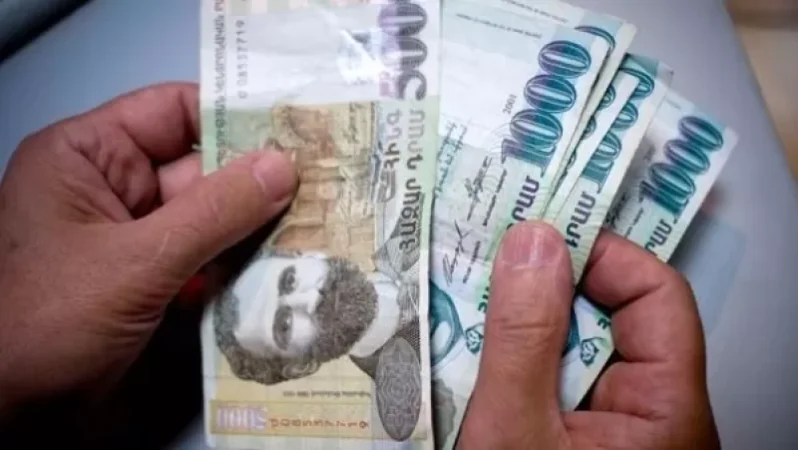
For two days, various users on Facebook have been raising concerns that they checked their pension accounts and discovered significant losses over the past quarter. This has alarmed many, as it suggests that if this continues, they may not only receive no pension in the years to come, but may actually end up owing money to the state. Meanwhile, the essence of the funded pension system was entirely opposite; it aimed to ensure a prosperous retirement for proud citizens of Armenia based on today's contributions.
For instance, user Tigran Keyan published a photo showing the negative balance of his account and remarked: "For years, we have been deceived, fined, and promised a better life while they collected political dividends and continued to deceive us. It’s true that there have been months with returns, but looking at this, one day my entire savings could disappear and be lost."
The Ministry of Labor and Social Affairs sent a lengthy clarification to Hraparak.am, hoping to alleviate citizens' concerns. However, after reading their explanation, new questions and worries arise, which we will seek comprehensive information on from the ministry in the near future. The main point is that our accumulated funds have been indirectly invested by managers (by the managers) as deposits or allocated to government bonds, corporate papers, while about 33% has been invested in foreign securities (mainly in USD and EUR), including shares of large private companies. Depending on fluctuations in the dollar exchange rate, such investments can result in both high and low returns. Thus, according to the ministry, the negative balance in users' accounts last quarter is attributed to fluctuations in the dollar exchange rate, specifically, a decrease in the rate.
The ministry's clarification, in more detail, is presented below:
“In Armenia, pension funds are not managed by the state, but by two licensed organizations: the French-origin 'Amundi-ACBA Asset Management' and the Austro-German 'C-Quadrat Ampega Asset Management Armenia.' These asset managers have decades of history and experience, managing vast volumes of assets. To give a clearer picture, for example, Amundi is among the ten largest asset managers in the world, alongside such managers as American JPMorgan Chase & Co., Goldman Sachs, German Allianz, Swiss UBS, etc. The total portfolio managed by Amundi amounts to approximately $2 trillion. In Armenia, Amundi-ACBA Asset Management and C-Quadrat Ampega Armenia allocate the contributions made by participants and the state to assets with a certain yield, managing them in a way that promotes the growth of the fund’s resources. The managers manage the accumulated funds in three funds: stable revenue, conservative, and balanced. About 98% of the resources are in conservative funds.
In the summarized data of Q4 2021, the total accumulated resources amounted to over 480 billion drams ($1 billion), of which about 390 billion were contributions paid by the participant-state, while 90 billion drams were formed from income from investments. This means that the system has ensured positive returns over the past eight years, although there have been and will be periods where it will record negative results, and we will discuss the causes and factors of this below.
About 67% of the investments are denominated in Armenian drams and allocated in Armenia to government bonds, bank deposits, and corporate papers, while the remaining approximately 33% are in foreign currencies (mainly USD and EUR) in foreign securities, including shares of large private companies, debt securities, etc. It is very important to note the fact of investments made in foreign currency, as the funds accumulated in the pension funds are expressed in the reports (including those formed for each of us) in Armenian drams; thus, fluctuations in the exchange rate compared to the previous period can produce high returns expressed in drams and vice versa.
Let’s illustrate with an example: suppose that according to the quarterly data, Vahe has 5 million drams in his pension account, and as of the reporting day, the dollar exchange rate is 517 drams. If the exchange rate is recorded at 476 on the reporting day of the next quarter, assuming other factors remain unchanged, Vahe will have a negative yield of -130,851 drams (considering that 33% of Vahe’s resources, or 1.65 million drams, are invested in foreign currency assets, which constituted $3,191 at the exchange rate of 517 drams).
Therefore, when receiving information about returns, one should pay attention and compare the exchange rates between the last and the previous reporting quarters; significant fluctuations will have a substantial impact on returns.
Today, we participants in the accumulation are indirectly shareholders in companies such as Amazon, Apple, Google, Honda, Samsung, Nestle, and many global giants. Regarding how the securities market works, I believe many already have an idea; these financial instruments ensure certain returns and also appreciate the stock price, which is also influenced by inflation. However, for various reasons, even the largest companies' stocks may record depreciation—causes can range from high inflation in Armenia and global economies, pessimistic expectations, market instabilities and uncertainties, wars, technological changes, sanctions, up to baseless rumors and large court claims; the examples are numerous.
To summarize the above, we can state that low or even negative returns have no relation to the actions of the state regarding the pension system, and criticisms and accusations directed at the management and administration of the fund’s resources in relation to the returns recorded are unfounded; in the long term, returns have been and will be sustainably positive.”
Նմանատիպ հոդվածներ

Ավելին Society բաժնից

Երևանում կներկայացվի ՀՀ ռազմարդյունաբերական ներուժը

Բացահայտվել է ընտրական բնույթի 78 հանցագործություն․ 24 անձ ձերբակալվել է
Գործարկվել է Բաքու–Թբիլիսի–Կարս երկաթուղին․ ներկա է եղել ՀՀ նախարարը