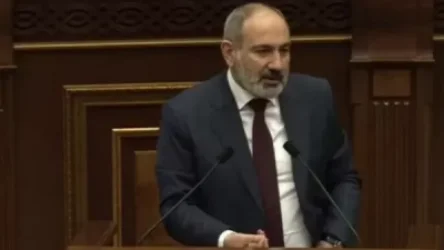
VIDEO: After Brussels, there was intense criticism directed at me: Pashinyan
The Prime Minister of the Republic of Armenia, Nikol Pashinyan, has presented details regarding the agreements reached during the trilateral meeting in Brussels on April 6. Pashinyan elaborated on the meeting he had with Azerbaijani President Ilham Aliyev and President of the European Council Charles Michel during his speech at the National Assembly.
“Yes, I have agreed that the foreign ministers of Armenia and Azerbaijan begin preparatory work for a peace treaty. What this means in practical terms, what the timeline and format will be — that still needs to be discussed and decided. However, the signing of a peace treaty with Azerbaijan as quickly as possible is indeed part of our plans. But I must say that we have no illusions here, as we do not rule out that Azerbaijan may attempt to lead the peace negotiation process into a deadlock quickly, using it as a pretext for new aggression against Armenia and Artsakh,” the Prime Minister noted.
According to him, understanding and calculating all risks and challenges has led them to the conclusion that remaining in the same position and failing to ensure some progress within the process not only does not reduce but actually exacerbates the risks.
“This is why we also reached an agreement in Brussels regarding the issue of delimitation to establish a bilateral commission on Armenian-Azerbaijani delimitation and border security issues by the end of April and to commence work. What is our approach to this issue? To clarify Azerbaijan's official positions on border issues, formally record Armenia's positions on the same issues, and to maximize legitimacy in our positions, meaning to use only de jure significant facts and arguments in the issue of border clarification, to gain recognition of this legitimacy from the international community, and based on this, to reach an agreement on the borders of Armenia and Azerbaijan. What does this mean? It means that in the delimitation process, we should base our work on de jure significant facts regarding the territory of the Republic of Armenia and not on desires or discussions, because I already mentioned the dangers of such an approach,” Pashinyan stated.
The Prime Minister added that after Brussels, there was very intense criticism directed at him for rejecting the proposal for the mirror withdrawal of troops. “In this regard, I must say that we have noted several times in the past that the mirror withdrawal of troops has never been a precondition for us, and we simply believe that the normal process of delimitation is only possible concerning borders where there is a certain level of security and stability, which, unfortunately, we cannot say about the current Armenia-Azerbaijan border. Our concern that Azerbaijan wants to maintain military tensions along the border alongside the delimitation to justify territorial claims against Armenia and formulate new aspirations has ultimately been perceived by the international community. However, we had already reached a dangerous line where the proposal for mirror troop withdrawal could be viewed as a political strategy to lead the situation into a dead end. That’s why, as I mentioned at the cabinet meeting on March 31, we expressed our willingness to show flexibility and demonstrated that flexibility in Brussels, hoping that the international community will be more attentive to the security environment along the border,” the Prime Minister elaborated.
He emphasized that the agreements reached in Brussels were not starting from scratch regarding delimitation, but rather are advancements on the agreements reached on November 26, 2021, in Sochi, laying the groundwork for, if necessary, the Russian Federation, as well as Western and other partners to provide necessary assistance based on their information and experience regarding the border delimitation work.
He indicated that the bilateral commission on delimitation and border security will, as the name suggests, have a dual mandate. “The first is the delimitation itself, that is, the work on border demarcation; the second is to ensure security and stability along the border. This means that the commission will have certain authorities for monitoring the border situation, as well as possibilities to present specific proposals aimed at increasing the level of security and stability in the borders. If necessary, international expert capacity can also be involved in this process. I would also like to inform you that we are currently working on the format and personal composition of the commission, and at the latest by April 30, we should aim to clarify the personal composition. During this time, our relevant officials need to work with the Azerbaijani side to reach a consensus on these organizational matters,” Nikol Pashinyan concluded.
Նմանատիպ հոդվածներ

Video: The assassination attempt against the Speaker of Parliament remains unsolved, Prime Minister comments
VIDEO: We Could Have Prevented the War, Resulting in the Same Situation, Certainly Without Casualties – Prime Minister
VIDEO: The Moment is Critical. Vanetsyan's Call to Citizens
BMW, Opposition, Hayk Marutyan: A Showcase of Alen Simonyan's Manipulations
Ավելին Politics բաժնից
Սերժ Սարսգսյանը խոսել է հետընտրական զարգացումների տարբերակների մասին
Պուտինը ստորագրեց աղմկահարույց օրենքը
Եթե բացատրեն, որ մանդատները չվերցնելու դեպքում Նիկոլը գնու՞մ է, հարց չկա. Շարմազանով