Real Effects of Sanctions on Armenia Will Be Seen in 2-3 Months, Says Central Bank Governor
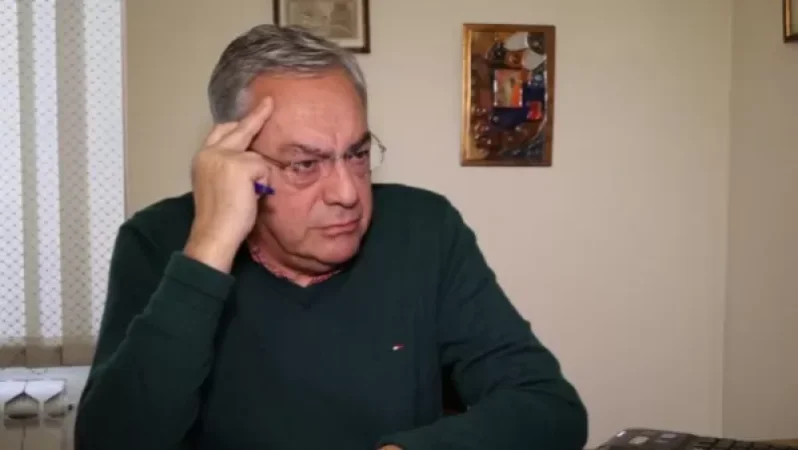
In an interview with Radar Armenia, Central Bank President Bagrat Asatryan discussed the impact of sanctions on Russia on Armenia. "We are in a unified economic environment with the Russian Federation; of course, this will affect our economy, and that impact will be multifaceted," he stated.
- Are the consequences of sanctions on Russia already visible on the Armenian economy, or not yet?
- The real effects will practically be seen after some time, we can talk about them in 2-3 months. If we were to list the expected issues, it would require a substantial volume. Some things might benefit the Armenian economy, while some may have negative effects, but in any case, the uncertainty is the greatest risk for economic functions.
We indeed have thousands of ties with Russia; it is a unified economic environment with its peculiarities. In addition to extensive trade-economic ties, Russia has always been the main country providing financial flow to Armenia. This includes both capital investments and private remittances, in which Russia plays a unique role and which will change significantly in the near future. The problem is that the Russian economy will suffer significant losses in this situation. Estimates are already being given that the Russian economy is threatened with double-digit declines in 2022, which will continue into the next year.
When speaking of Russia's economic issues, we must note that the financial sector, the banking system, will be the first to be affected, which is already noticeable and will deepen significantly in the near future. The downturn will manifest across all sectors of the economy, with construction and service sectors being hit hard, high inflation is anticipated, and the social situation is expected to deteriorate sharply. I emphasize this because labor migration plays a significant role in Armenia-Russia economic ties, which could become a serious issue, as many people used to go there to work. Incidentally, this applies to Ukraine as well, where many of our compatriots live and work. Although the scales differ, the problem is quite serious for Armenia.
New opportunities must be created in Armenia as soon as possible, new jobs must be opened so that our compatriots, who will have to leave those countries, can return, find shelter, and work. We must be clear that we are dealing with long-term developments. Even if military operations end today, the economic situation will continue to deteriorate, and we should expect more negative manifestations. In this situation, Armenia must become a construction site; numerous new initiatives, job opportunities, new business platforms, and various propositions should be formed right in Armenia.
- The Russian ruble has also started to depreciate in Armenia, and at the same time, the Armenian dram has depreciated. What consequences will this have?
- Our economies are interconnected, but the least interconnected part is between the financial and banking sectors. The ruble is depreciating globally, including in Armenia. Armenia is not a market for the ruble; if we look at the volume of transactions, the ruble essentially plays no role in our market. We also experienced depreciation of the dram last year. Experience shows that during such widespread anxiety, small holders of money suffer losses. I would advise all those who are anxious to think three times before making any conversions. Last year, there were queues at exchange points, people were turning their pensions into dollars but later lost a lot.
- Is our economy capable of resisting these challenges?
- Yes, it is capable. The whole question is how, through what steps, and program mechanisms. This week changed a lot in the world; Armenia will also have its issues in this relationship. The world has changed, we are living in a new world, and the economy is a significant area of change. New types of economic relationships must be formed. But is our government ready to recognize new issues and provide solutions? Unfortunately, the activities of the past 2-3 years do not testify to that. The political sector needs to mature; our authorities are not working but more pretending to be working. With mutual blame and clowning, we will not lead the country anywhere. Within the legislative obligations, problems must be raised, and solutions proposed by all sectors of the government.
- Is the Central Bank sufficiently applying its capabilities and tools to mitigate the impacts of the ruble depreciation on our economy?
- The Central Bank, specifically regarding the currency, has no specific action; it cannot protect the ruble, but it must monitor the stability of the currency market and the fluctuations of the main currencies to ensure they do not go beyond logical limits. The ruble is a secondary and tertiary currency in our market. There must be constant monitoring of the financial system so that new problems do not arise here, ensuring that there are no significant deviations in the behavior of banks.
- Can we say that 2022 will be a tough year for Armenia?
- Definitely yes, it will be a challenging year, and the atmosphere in the country must change. Last year, we did not even achieve the main goal of recovering from economic decline. Last year, we recorded the highest, unprecedented inflation. Now we must set new additional challenges, increase funding, design new programs, and ensure the solutions that our country needs.
Նմանատիպ հոդվածներ
Թուրքական կողմը խախտել է արարողակարգային պահանջները, խեղաթյուրել Արարատ Միրզոյանի անունը
Թուրքիայում տեղի է ունենում Հայաստանի ու Թուրքիայի արտգործնախարարի հանդիպումը
Վլադիմիր Զելենսկին լքել է Ուկրաինան. Պետդումայի խոսնակը` նրա գտնվելու վայրի մասին
Mikhail Podolyak Announces Possible Dates for Third Round of Negotiations
Ավելին Politics բաժնից
Այ Նիկոլ ջան, դու ախր զենք ստուգո՞ղ ես․ Վարդանյան
Նպատակ ունենք ընդդիմությունը փոխելու․ Արման Բաբաջանյան
Լեզվին են տալիս Ռուսաստանի հետ կապված․ Ռոբերտ Քոչարյան