What to Do During an Earthquake
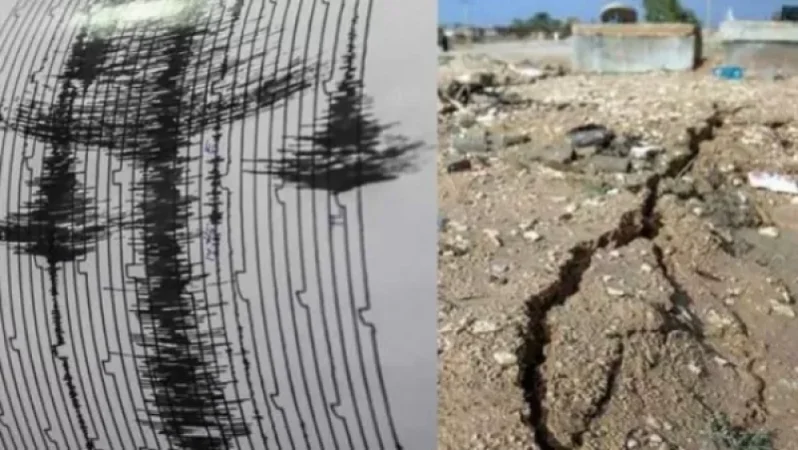
What to do during an earthquake? Here is the guide developed by the Rescue Service of the Ministry of Emergency Situations:
– Remember that even in a devastating earthquake, buildings do not collapse all at once. The analysis of the destruction in Gyumri (magnitude 9) showed that 10-story buildings began to collapse 10-12 seconds after the first tremor. This is the time during which you can take specific actions to save yourself.
– Remember that children, elderly people, and the sick need your help. By meeting their needs, you will not be afraid for your life and can act more balanced.
– Remember that you are being searched for, and all possible resources will be used for your rescue.
If you are in a building during an earthquake:
a. If you are on the 1st or 2nd floors of a high-rise building, try to leave the building immediately and move to an open area.
b. If you are on the 3rd floor or higher, do not exit the building. The stairs and ladders will be blocked by panicked people, and elevators can shut down at any moment. Additionally, the stairs and ladders usually collapse first.
c. You can stand near the main load-bearing walls in the central part of the building, positioned at the corners formed by those walls, door openings, and support columns, holding a chair, bag, or another suitable object overhead to protect yourself from falling debris.
d. You can also take cover under a bed or table.
e. Stay away from windows and external walls, as they are the first to collapse and can cause injuries from shattered objects.
f. Be cautious of heavy and large items such as cabinets and refrigerators that may shift and topple.
g. After the tremors stop, try to exit the building using the previously determined route.
h. When exiting, be careful of falling debris, shattered glass, and downed power lines.
i. You may suffocate from the dust caused by the debris. Therefore, use a handkerchief, scarf, or a piece of clothing to cover your nose and mouth.
If you are outdoors during an earthquake:
a. Move away from buildings, bridges, and power lines to a safe area.
b. Never enter a building to help those trapped inside; it is too dangerous. Stay outside while looking for ways to assist them.
If you are in a moving vehicle during an earthquake:
When a strong earthquake begins, you may lose control of the steering wheel. It may feel as if you have let go of the vehicle's steering. During this time, to ensure you do not hit another vehicle or are not hit, slow down and move to the right side of the road. Stop in a relatively open area, away from bridges, high-rises, and power lines. Remain in the vehicle, listen to information provided via the car radio, and act accordingly.
Access to the disaster zone is strictly prohibited for all vehicles except for specialized equipment, rescue teams, firefighters, and emergency services.
If you are in the subway:
While the metro is a safe haven during bombardments, it is just as dangerous during a strong earthquake.
a. Do not panic and secure your safety in advance.
b. During the tremor, hold onto a stable object, such as a luggage rack or iron railing, to prevent falling.
c. During a 5-point earthquake, power will be cut, and trains will temporarily stop. Emergency lights will automatically activate at subway stations.
d. Heading towards the exits can be dangerous and may cause panic. Follow announcements made via the station's loudspeakers.
If you wake up from tremors:
a. Under no circumstances use electricity, matches, or a gas lighter (the gas line may be damaged). Use only a pocket flashlight.
b. Do not waste time getting dressed. Quickly grab your most essential items and follow the rules stated in the previous points.
Նմանատիպ հոդվածներ
Ավելին Incidents բաժնից
Խոշոր հրդեհ է բռնկվել Բեյրութի նավահանգստում

ՏԵՍԱՆՅՈՒԹ․ Երևանում լայնածավալ գործողություն․ 17 անձ տեղափոխվել է ոստիկանություն
ՏԵՍԱՆՅՈՒԹ.Վրաստան–Հայաստան սահմանին ծանր իրավիճակ է․ կան ուշաթափված երեխաներ