Are Citizens Double-Penalized? The Points System Draft Was Not Accepted
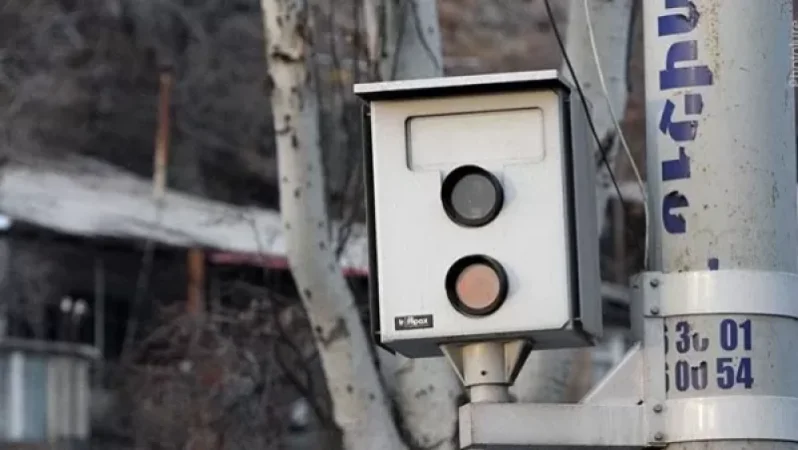
The National Assembly's Permanent Commission on Defense and Security issued a negative conclusion on the draft submitted by the "Armenia" faction, which proposed to abolish the points system used for penalizing traffic violations.
Deputy Aram Vardevanyan from the "Armenia" faction presented the draft law and emphasized that he sees a legal issue in the current framework. He stated, "The Constitution of the Republic of Armenia prohibits double liability for the same offense. In this case, we have a situation where drivers are subject to fines in terms of monetary penalties, as well as points penalties. When the 9 points allocated to drivers are exhausted, it results in the suspension of driving rights. Therefore, this is a separate means of liability that is applied concurrently with other forms of liability for the same act," said the deputy.
Vardevanyan also assured that he is not claiming that drivers who commit violations should be exempt from liability, but on the other hand, there should not be a prioritization of fines against Armenian citizens. He mentioned that the model could have been structured differently, such as applying only penal points without a financial penalty component.
Deputy Hayk Sargsyan from the "Civil Contract" faction assured that citizens are not subject to double liability. "If your 9 points are exhausted, you are deprived of your right to drive for 6 months, but you do not pay for that last violation. Moreover, removing points before that is not considered liability," said the ruling party deputy.
Ruslan Marandyants, head of the legal department of the police, also reminded that the penalty points can be primary or additional, and when combined with a fine, it becomes supplemental. "A fine, as a means of material liability, can have different effects on individuals with various social statuses. One of the key purposes of implementing the points system was to have a certain impact on the existing situation of social relations, irrespective of social status," he noted.
Addressing the issue of double liability raised by the commission members, Marandyants also observed that there is no violation of the principle of non-acceptability of double liability. After extensive discussions on the matter within the commission, the draft received a negative conclusion.
Նմանատիպ հոդվածներ




Ավելին Society բաժնից

ՏԵՍԱՆՅՈՒԹ. Գիշեր-ցերեկ աշխատել եմ, 140 կգ-անոց տղա էի, դարձել էի 85 կգ. Գագիկ Ծառուկյան

Հռոմի պապը ԱՄՆ-ում թեմի առաջնորդ է նշանակել նախկին անօրինական ներգաղթյալի

ՏԵՍԱՆՅՈՒԹ. Կիրանցի սահմանազատված հատվածում եկեղեցու օծումը խորհրդանշական է. Նիկոլ Փաշինյան