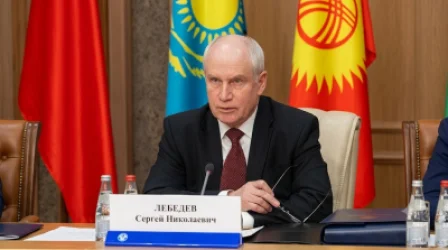
European Commission Attributes Gas Price Surge to Geopolitical Tensions

“Geopolitical tensions are one of the reasons for the increase in gas prices,” stated European Commissioner Kadri Simson at a press conference following an informal meeting of EU energy ministers, as reported by RIA Novosti.
According to her, the current period is critical for the community's energy sector. “In the short term, we are facing unusually high prices for energy carriers, a trend that is exacerbated by geopolitical tensions,” said Simson, who is responsible for energy policies within the EU.
The Commissioner highlighted that gas prices have reached historic highs in recent years, which has indirectly affected the EU's tariff structures, leading consumers and industries to face difficulties in paying their bills. She added that the European Union has adopted support measures worth 21 billion euros to assist consumers.
At the close of trading on Friday, gas futures prices in Europe surpassed the threshold of $900 per thousand cubic meters. The price of nearby futures at the Dutch TTF index slightly exceeded $880 at the opening of trading. By the end of December, quotations had reached a historical maximum of $2,190.4 per thousand cubic meters, after which a corrective decline occurred. In the first half of January, the calculated prices of futures exhibited unstable dynamics.
Experts attribute the rise in gas prices to several factors, including low occupancy levels in European underground storage facilities (after a long cold winter and hot summer), supply limitations from major suppliers, and high demand for liquefied natural gas in Asia.
Նմանատիպ հոդվածներ
Ավելին Politics բաժնից
ԱՄՆ-ը մեղմացրել է պատժամիջոցները Վենեսուելայի նկատմամբ` օգնելու նպատակով
Հայկական ծաղիկների՝ եվրոպական շուկա արտահանման հեռանկարները քննարկվել են Հաագայում
Սրբուհի Գալյանը հանդիպել է ՌԴ արդարադատության նախարարին