Process to Cancel Court Decisions Against Pashinyan in March 1 Case Initiated on ECHR Ruling
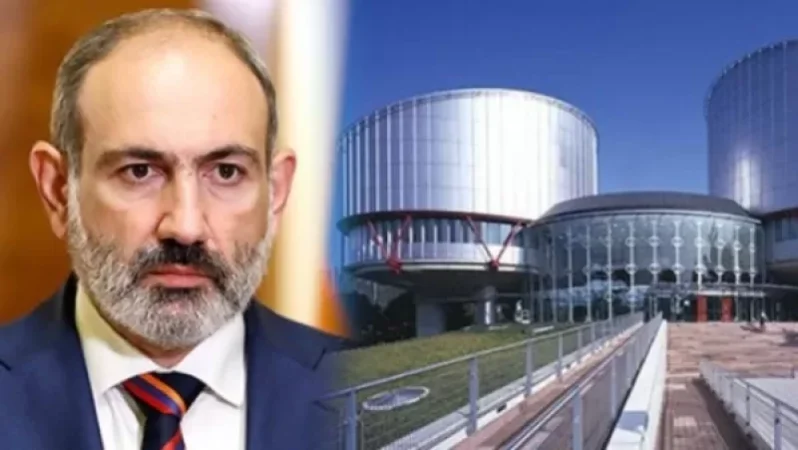
The process to annul court decisions against Nikol Pashinyan regarding the March 1 case will begin at the Prosecutor's Office, based on the ruling of the European Court of Human Rights (ECHR). According to 1lurer.am, the ECHR recently determined that Pashinyan's rights to liberty and security of person, as well as his right to peaceful assembly, were violated in the context of the events of March 1, 2008, and the subsequent occurrences.
"There is insufficient and convincing evidence to conclude that the applicant had intentions to use violence at Liberty Square, and that the assembly was not peaceful," the ECHR noted.
It is important to recall that following the violent events of 2008, opposition figure Pashinyan was sentenced to 7 years in prison in 2010 for organizing mass disorder. After spending more than a year in jail, he was released under amnesty. The applicant, who is now the incumbent Prime Minister Nikol Pashinyan, was the editor-in-chief of the newspaper 'Haykakan Zhamanak' at that time and has not filed a claim for any financial compensation from the state.
Yeghishe Kirakosyan, a representative for international legal issues, stated that two complaints have been submitted by the applicant, which have been consolidated into a single case with similar claims in relation to other cases concerning the March 1 events. The court emphasized that the applicant, Mr. Pashinyan, was also subjected to prosecution for actively expressing his political opinions on these matters.
“The European Court concluded that the applicant was detained for being an 'activist' at the gathering in Liberty Square and for exercising his right to peaceful assemblies, rather than for committing specific illegal acts. National courts did not provide any justification for their decisions,” Kirakosyan said.
Pashinyan's application against Armenia was examined by the ECHR for more than 11 years; however, the case was communicated at the beginning of 2019, with questions directed to the acting government, which did not respond due to a conflict of interest. This situation was unprecedented as the applicant was the leader of the country.
Yeghishe Kirakosyan noted, “The only thing left for the government was to provide all legal factual materials to the European Court and not make any comments, which they have already done. An important aspect to consider when discussing such claims is that the government’s stance on the March 1 cases has significantly and diametrically changed since the 2018 revolution. This is evidenced by parallel ongoing internal legal processes and actions executed by various law enforcement agencies, as well as judicial proceedings.”
Following the ECHR ruling, critiques emerged regarding the government’s lack of submissions to the ECHR. The representative for international legal issues responded that no disturbance had occurred, and justice was administered. “It is evident that the government, since 2018, could not argue the same way as the previous government regarding these cases that were communicated,” Kirakosyan added.
Currently, about 18 applications concerning the March events are being considered at the ECHR, a significant number of which have already been satisfied and have served as the basis for the applicants to be acquitted in local courts over the past three years.
Նմանատիպ հոդվածներ
Clarification on the Work Being Done by Russian Border Guards on the Meghri-Akarak Road
It is Not for Purchasing "Useless" Missiles that Tonoyan is Detained: Statement from the Legal Team

BREAKING: Intense Shelling Towards Norabak, Injuries Reported - Norabak Mayor
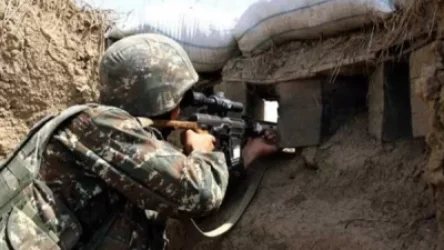
Urgent: Armenian Side Has Casualty, Ministry of Defense Reports
Ավելին Society բաժնից
Ալեն Ղևոնդյանին արգելվել է հրապարակումներ անել և հավաքների մասնակցել
Բացառիկ պատմական արժեք ներկայացնող նվիրատվություն՝ Մատենադարանին
Մարգարայի անցակետում ուշագրավ զարգացում է արձանագրվել