Azerbaijani Authorities Continue to Disrupt Normal Life in Artsakh: Artsakh Ombudsman
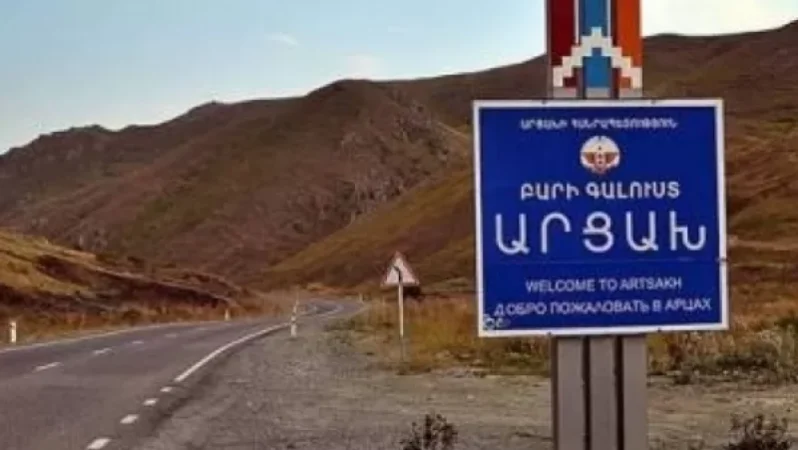
32 years ago, from January 13-19, 1990, a systematic and mass massacre of the Armenian population was carried out in Baku with the obvious tolerance and support of the Azerbaijani authorities. During the week-long atrocities, hundreds of Armenians were killed, and hundreds of thousands were displaced and subjected to torture. This was reported by the office of the Artsakh Ombudsman.
The Armenian population of Baku and other cities faced a direct threat to their physical existence, leading to their displacement and finding refuge in Artsakh, Armenia, and other parts of the world without receiving international status or support. Over the years, Armenian cultural heritage in these areas has been subjected to vandalism and desecration, with its historical value and significance distorted by the Azerbaijani authorities to suit their political expediencies.
The perpetration, encouragement, and glorification of the Armenian Genocide by the Azerbaijani authorities, and sadly now also by Azerbaijani society, have taken on systematic and large-scale characteristics with a clear timeline: in 1905 and 1918 in Baku, in February 1988 in Sumgayit, in November the same year in Ganja-Kirovabad, again in Baku in the 1990s, and the massacre in Maraga, the heroization of Ramil Safarov who axed Gurgen Margaryan in 2004, the civilian casualties during the April 2016 war, and the torture of Armenian soldiers during the Azerbaijani-Turkish aggression in 2020 are undeniable proofs of the systematic policy of hatred against Armenians and its consequences.
Due to years of poisoning the society by the authorities, intolerance, hatred, and genocide against Armenians, vandalism against Armenian cultural heritage, and the desecration of monuments in Azerbaijan have practically become not only state but also national policy. This is a fact, the urgency of addressing which is now also confirmed by the International Court of Justice ruling.
Under the false slogans of establishing peace in the region, the Azerbaijani authorities continue to carry out widespread and systemic violations of the rights of the Armenian population of Artsakh, creating an atmosphere of fear and despair and disrupting normal life in Artsakh, isolating its people from the rest of the world. There are many materials documenting the crimes committed by Azerbaijan against Armenians, but only a discerning and courageous eye is needed to see all of this and give it an appropriate evaluation.
Unfortunately, these crimes have not received a clear legal assessment from the international community to date, and this impunity is one of the main reasons why Azerbaijan feels allowed to grossly violate international legal norms and speak with hatred about an entire people, with no fear of accountability.
Guided by the fundamental principle of the universality of human rights and pursuing the unwavering respect for this principle and the restoration of justice, we will continue to demand the condemnation of the atrocities against Armenians and the prevention of new crimes.
Նմանատիպ հոդվածներ

‘During the War, He Mocked and Insulted Armenians’: Father Yeznick Martiryantsi on Morgenstern's Concert in Armenia
Green Card Holders Stage Protest
New Numbers of Casualties and Missing Persons Due to War: Investigative Committee Provides Data

Apartment Burglary in Yerevan: A Bank Employee's Home Robbed
Ավելին Society բաժնից

Այսօր երեկոյան երկնքում ուշագրավ երևույթ կլինի

ՊՆ-ն չի կարող բնակարանից վտարել արցախցի զինծառայողին. փաստաբան

Հայաստանը կարող է բախվել միգրացիոն լուրջ ճգնաժամի. ԱՊՀ-ից զգուշացնում են