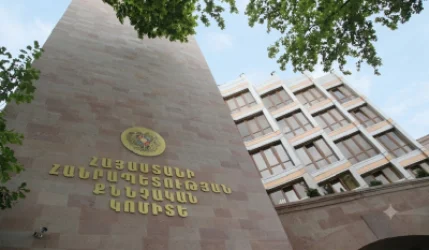
Issues Facing Villages on the Armenia-Azerbaijan Border Remain Critical: 'Zhoghovurd'
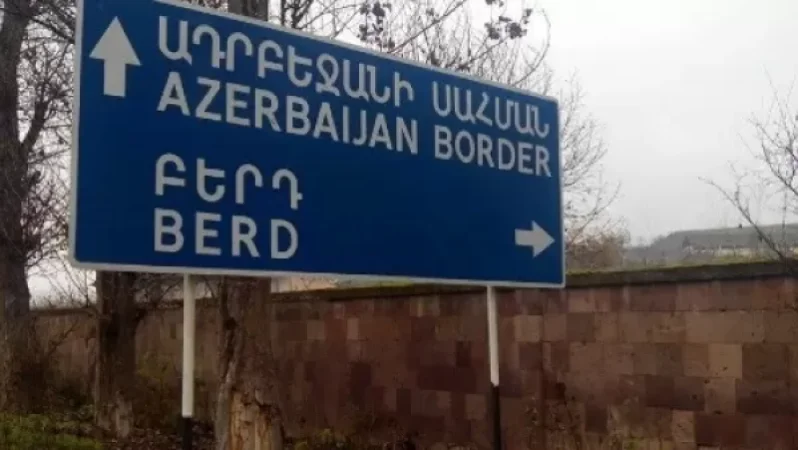
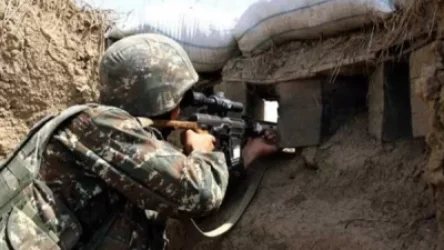
‘Zhoghovurd’ newspaper reports: 'The issues faced by residents of villages along the Armenia-Azerbaijan border continue to remain unresolved. Numerous problems were identified during the visit to Syunik by employees commissioned by the chair of the National Assembly's Committee on Human Rights Protection and Public Affairs, Taguhi Tovmasyan. Azerbaijan has imposed control over the road from Kapan to four villages — Agarak, Khdrants, Yeghvard, and Ujanis — without any legal basis, resulting in humanitarian issues for the residents. For example, residents of Yeghvard have noted a sharp decline in sheep farming due to the loss of access to pastures, which are now under the control of Azerbaijani armed forces.
Additionally, already 10 heads of large cattle have crossed to the other side of the border, and villagers are reluctant to let their remaining animals out of the barn to save them. Three heads of cattle from Agarak village have crossed the border, and while no such incidents have yet been reported in Ujanis, locals have started selling their livestock, with the number of large cattle already declining by 21.
As in other border communities in Syunik, alternative routes are not a solution. In addition to the right to live in safety, the impassability of alternative roads violates the rights of local residents to education, employment, medical assistance, and other essential services. For example, while previously villagers could easily reach Kapan for work, they are now forced to rent accommodations due to the difficulty in traversing the roads, especially in adverse weather conditions. There are also cases of violations of the right to medical aid; although the villages have medical institutions that provide basic first aid (for Yeghvard and Ujanis, one medical facility operates in Yeghvard), more serious medical issues cannot be resolved on site.
To receive adequate medical care, people must return to Kapan city. Thus, the proximity of Azerbaijani personnel to Armenian villages, their fortifications, and their control over inter-community roads exacerbate these violations of human rights and disrupt normal life. Therefore, as noted by the Chair of the NA Committee on Human Rights Protection Taguhi Tovmasyan, effective measures must be taken to establish a demilitarized security zone to restore at least some rights of the residents of border communities.'
The full article is available in today’s issue of the newspaper.
Նմանատիպ հոդվածներ
Clarification on the Work Being Done by Russian Border Guards on the Meghri-Akarak Road

It is Not for Purchasing "Useless" Missiles that Tonoyan is Detained: Statement from the Legal Team
BREAKING: Intense Shelling Towards Norabak, Injuries Reported - Norabak Mayor
Urgent: Armenian Side Has Casualty, Ministry of Defense Reports
Ավելին Society բաժնից
Ապարանի ջրամբարը կարող է ամբողջությամբ լցվել․ բնակիչներին հորդորում են զգոն լինել

Ինչ է կատարվում Facebook-ի հետ. նոր մանրամասներ

Լայնածաված խափանումներ Facebook և Messnger հավելվածներում