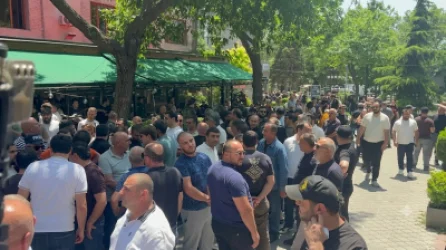
The Massacres of Armenians in Baku were a Direct Consequence of State-Sponsored Hatred, Ombudsman says
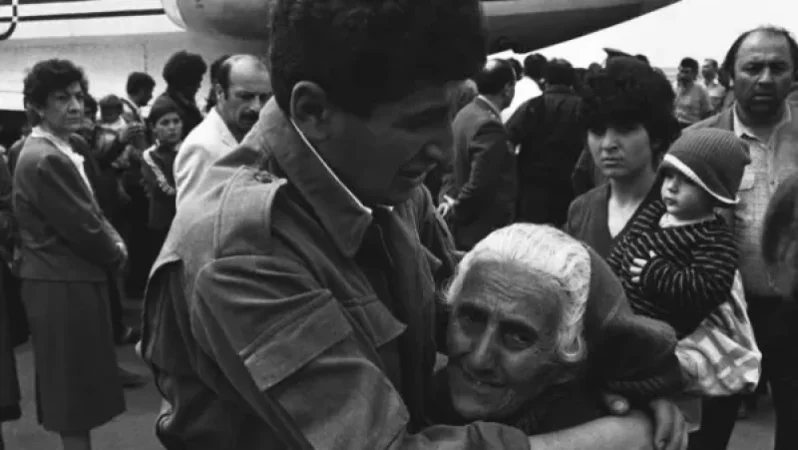
The Human Rights Defender of Armenia, Arman Tatoyan, stated on his Facebook page: "Etibar Mamedov, one of the leaders of the Azerbaijan Popular Front and the organizer of the massacres of Armenians in Baku, said in January 1990, 'I personally witnessed when two Armenians were killed not far from the railway station: a crowd gathered, they poured gasoline on them and burned them, while two hundred meters away was the Nasimi district militia division, where there were 400-500 internal troops who drove by in a car 20 meters away from those charred bodies, and no one attempted to disperse the crowd.'"
Thirty-two years ago today, the massacres of Armenians in Baku began as a direct result of state-sponsored hatred. Today marks the 32nd anniversary of those massacres, the third series following the mass killings of Armenians in Baku in 1905 and 1918. From January 13 to 19, 1990, as well as into the 20th, numerous Armenians were killed, displaced, and tortured as a result of the Armenian pogroms in Azerbaijan’s capital.
Before these brutalities, between 230,000 and 250,000 Armenians lived in Baku. Facts confirm that the massacres of Armenians in Baku were organized by the Azerbaijan Popular Front (APF) and were supported by the authorities. During a January 11 rally of the National Front, calls were made for the expulsion of Armenians from Baku and for a large-scale armed campaign towards Nagorno-Karabakh.
By January 13, the pogroms against Armenians in Baku had already become organized and widespread. On the evening of that day, about 50,000 people gathered in Lenin Square in Baku chanting, "Glory to the Heroes of Sumgait!" and "Long live Baku without Armenians!" Following this, under the leadership of activists from the Front, the rioters systematically began to 'clean' the city of Armenians, moving from house to house.
There are numerous testimonies of acts of violence and murders committed with exceptional brutality. For instance, people were thrown out of windows, killed with iron rods and knives, women were raped, and some were burned alive. Etibar Mamedov emphasized in January 1990, 'I personally witnessed the murder of two Armenians near the railway station. A crowd gathered; they poured gasoline over them and burned them, while about two hundred meters away, the Nasimi district militia division, with 400-500 internal troops, drove by in a car 20 meters from those charred bodies, and no one attempted to disperse the crowd.'
According to testimonies from Armenian refugees in Baku, initially, a group of 10-20 individuals would invade an apartment and start beating the inhabitants and committing atrocities. Then, a representative of the National Front would appear, usually with properly drafted documents for apartment exchange or sale, after which the homeowners were pressured to leave immediately and head towards the port. People were generally allowed to take personal belongings, but at the same time, money, valuables, and savings books were confiscated.
The facts show that law enforcement agencies and utility workers (who provided the addresses of Armenian residences) supported the riots, as did the emergency medical service, which reported the deaths of Armenians as heart failures. According to various data, up to 450 or more people were killed. These facts confirm that this was about ethnic cleansing and a genocidal policy against Armenians, rooted in state-sponsored hatred.
Evidence confirms that this hatred has not diminished since those times but has instead manifested in even harsher forms in the following years. The encouragement of the killing of Armenians and the humiliation of Armenian identity have been supported by the Azerbaijani authorities. A specific example is the brutal murder of Armenian officer Gurgen Margaryan in Budapest in February 2004 by an Azerbaijani officer using an ax in his hotel room while he was sleeping. Following his return to Azerbaijan, he was not only released but celebrated as a hero.
During the wars against the population of Artsakh, particularly in April 2016 and September-November 2020, the Office of the Human Rights Defender of Armenia recorded objective evidence confirming atrocities against Armenians based on ethnic affiliation, including the brutal killings, tortures, and numerous acts of desecration of bodies of Armenian civilians and servicemen.
The international community, especially those international organizations mandated to protect human rights, must take decisive actions to prevent the condemnable propaganda of hatred and enmity.
Նմանատիպ հոդվածներ


Ավելին Society բաժնից

Լայնածաված խափանումներ Facebook և Messnger հավելվածներում
Զովունիի ընկերությունից խոշոր հափշտակության գործի նոր զարգացումները. ՔԿ
Կիևան կամուրջը երկար ժամանակ փակ կլինի