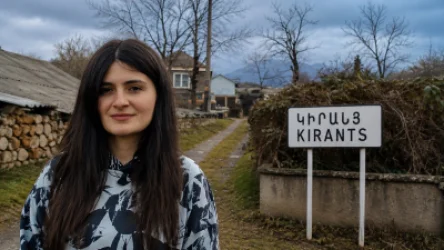
What Implications Do Ongoing Processes in Kazakhstan Have for the Security of Artsakh and Armenia?
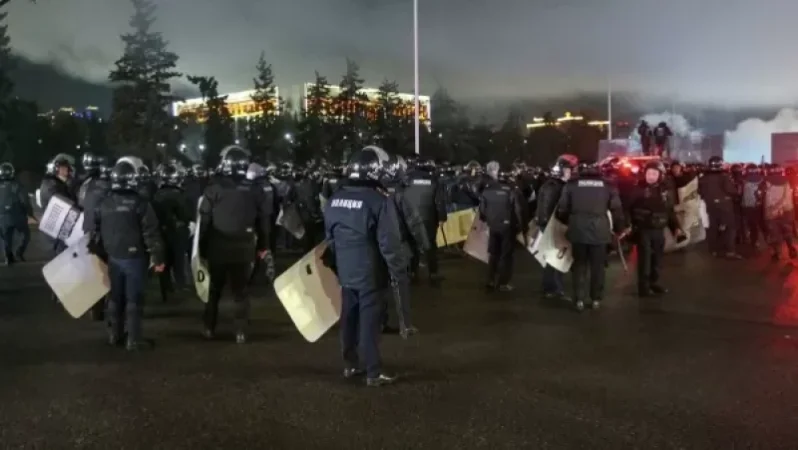
In recent days, I have been closely monitoring the developments in Kazakhstan, which are concerning and dangerous not only for Kazakhstan but also for neighboring countries and related regions. This was stated by the President of the Republic of Artsakh, Arayik Harutyunyan, on his Facebook page, highlighting that it is evident that behind the programs aimed at destabilizing the situation and forming a zone of terrorism and instability in and around Kazakhstan stand extremist groups and formations.
"In this context, it is also apparent that radical pan-Turkist circles are actively participating in the process. The developments that led to the created situation demonstrate that the most effective and efficient mechanism for preventing the escalating danger and avoiding new disasters was the entry of the Collective Security Treaty Organization (CSTO) peacekeeping forces into Kazakhstan, which occurred at the request of the authorities of the Republic of Kazakhstan. Thanks to the timely intervention of the CSTO collective forces and, in particular, the peacekeeping mission of the Russian Federation, the authorities of Kazakhstan are pursuing the fight against organized crime and its neutralization," the president noted, adding that this made it possible to prevent the destabilization of the situation in Central Asia and related regions, which would undoubtedly pose a serious threat to the security of Artsakh and Armenia.
In this context, Arayik Harutyunyan referred to the large-scale war unleashed by Azerbaijan in September 2020, noting that during that time, we personally witnessed the most brutal manifestations of extremism and terrorism. "With the serious efforts of several members of the international community, and in particular, thanks to the decisive engagement of the RF and the role of the Russian peacekeeping mission, it became possible to halt the war, reduce tensions, and establish stability in our region. The example of Kazakhstan and a number of other countries once again underscores the necessity for developing coordinated approaches and expanding practical cooperation to counter the threats of terrorism stemming from extremist organizations and groups concerning international and regional security issues," he concluded, adding that the security, economic, ecological, and numerous other challenges of the modern era reaffirm that the promotion of integration processes, the establishment of a new level of cooperation, and the formation of various union structures have become imperative and a more viable means of minimizing various threats and developing effective mechanisms to combat them.
Նմանատիպ հոդվածներ

Ավելին Politics բաժնից

Պահանջվում է՝ Նիկոլ Փաշինյանը հրապարակայնորեն ներողություն խնդրի Գագիկ Ծառուկյանից․ «Հետք»-ը մանրամասնում է
Ինչու՞ Պուտինը դեռ չի շնորհավորել Փաշինյանին․ հնարավոր է՝ Մոսկվան չճանաչի ընտրությունների արդյունքները
Գլխավոր դատախազի հրամանով 2 դատախազի նկատմամբ նշանակվել է կարգապահական տույժ