The State Often Fines Citizens While Ignoring Its Own Flaws: Human Rights Defender
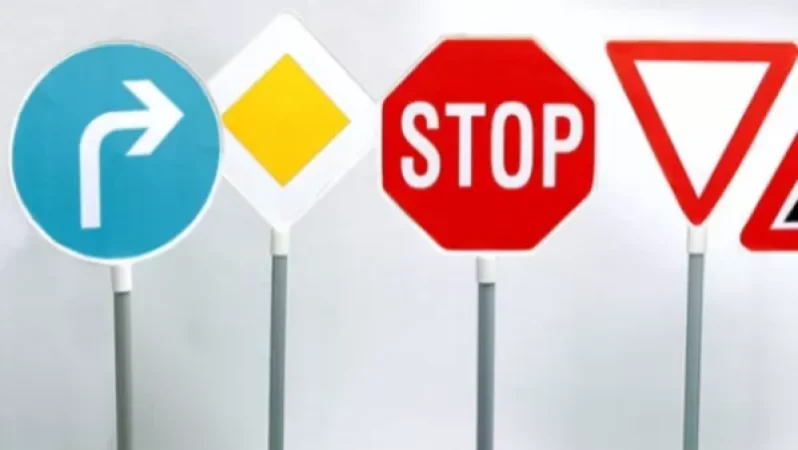
Traffic rules and signs are undeniably important, but the state often fines citizens while overlooking its own shortcomings. This was stated by the Human Rights Defender of Armenia, Arman Tatoyan, on his Facebook page.
“For instance, the warning signs installed for speed cameras lack any form of illumination and are disproportionately small for visibility. Often, they are 'hidden' behind trees or buildings. There are many cases where signs indicating speed limits are absent (speed limit regulations often vary even under the same conditions, for example, in the same locality). There are no devices displaying the speed of vehicles approaching speed cameras.
Additionally, there are numerous instances, especially outside Yerevan, where poorly lit streets render speed cameras and warning signs completely invisible. The absence of road markings (for example, solid lines) and various other factors exacerbate the issue and increase the risk of accidents or simply violations.
Since the basis for fining citizens is laid entirely on the recordings from speed cameras, it is essential to also ensure sufficient predictability and specificity for people to avoid unwarranted fines.
Crosswalks lack proper lighting or are not clearly visible (this issue is particularly acute in rural areas). This in turn creates a serious problem for the protection of both pedestrians' and drivers' rights.
There are other examples of signs as well. In reality, the state's primary goal regarding traffic is to ensure safe road usage for all participants, along with the presence of necessary rules and predictable signs.
The best way to address this issue is through prevention; that is, the state must ensure that individuals do not violate rules. Otherwise, the state shifts the focus from prevention to punishment.
Finally, the full guarantee of human rights implies the state's complete fulfillment of its obligations towards individuals. The opposite situation will always negatively impact circumstances relating to every individual.
Moreover, as long as the state has not fully met its obligations towards individuals, it cannot ensure their perception of justice in its actions, including fines.
We will raise this issue and initiate proposals for necessary solutions directed at the responsible state bodies.
Նմանատիպ հոդվածներ



Ավելին Politics բաժնից

Պահանջվում է՝ Նիկոլ Փաշինյանը հրապարակայնորեն ներողություն խնդրի Գագիկ Ծառուկյանից․ «Հետք»-ը մանրամասնում է

Ինչու՞ Պուտինը դեռ չի շնորհավորել Փաշինյանին․ հնարավոր է՝ Մոսկվան չճանաչի ընտրությունների արդյունքները

Գլխավոր դատախազի հրամանով 2 դատախազի նկատմամբ նշանակվել է կարգապահական տույժ