Defendant Detained After Returning from Captivity Despite Needing Medical Treatment, Says Lawyer
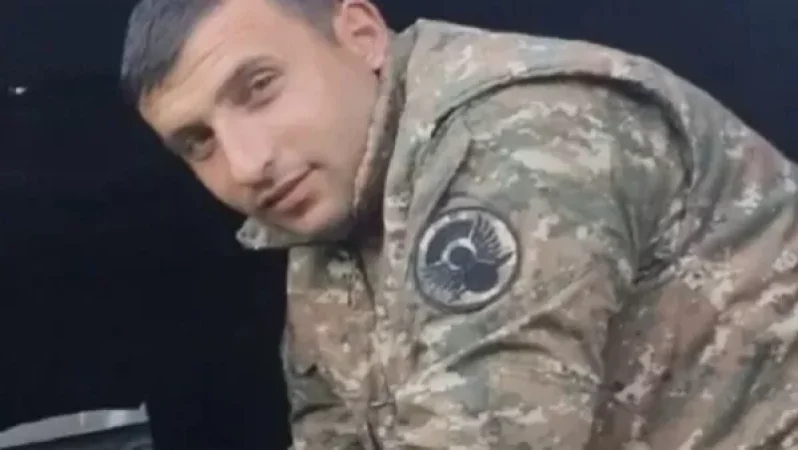
On November 16, during Azerbaijani aggression on the sovereign territory of Armenia, Deputy Commander Aren Aramyan was captured after sustaining serious bodily injuries, but is now in detention despite requiring ongoing medical treatment.
Aren Aramyan's lawyer, Ara Karapetyan, told Factinfo that Aramyan suffered a gunshot wound to his knee and multiple fractures and needs extensive rehabilitation; any delay increases the risk of mobility issues.
After his capture, Aramyan was flown to a hospital in Baku for surgery due to his critical condition. Following his return on November 26, he was transferred to Muratsan Hospital, where he received medical care for ten days before being detained. During his hospital stay, Aramyan was interrogated as a victim.
On December 6, he was arrested in connection with a criminal case under investigation by the Investigative Committee, and the prosecution presented charges against him, which were approved by Judge David Argamanyan of the Yerevan General Jurisdiction Court.
Aramyan has been charged under Article 365, Part 3 of the Criminal Code of Armenia for violating the rules of combat duty or military service, resulting in severe consequences. A petition against the detention order was filed but was rejected by Judge Armen Danielyan of the Court of Appeal.
As the year ended, the prosecution submitted another petition to extend Aramyan's detention for an additional two months, which was also approved on December 30. His lawyer has appealed this decision, but the appeal has not yet been assigned.
Karapetyan stated that Aramyan does not recognize the charges against him: “If a person has not committed a crime and has fought for his homeland, how can he admit to the illegal charges against him? He does not plead guilty and has detailed the incident; he is not refusing to testify.”
The basis for his detention is the likelihood of exerting illegal influence over other individuals involved in the case. When asked about the possibility of obstructing the investigation, especially considering the vulnerability of recently repatriated individuals, including Aramyan who is injured, the lawyer noted that both the prosecution and the court should consider factual data; in other words, there must be reasonable grounds in the investigation materials for possible influence, yet there is a complete absence of such data.
“No factual data has been presented that would indicate the possibility of illegal influence. Furthermore, even if such concerns exist, the threshold for considering them is very low. People related to Aramyan have been in captivity, and the idea that illegal influence could be exerted on individuals returning from captivity is frankly ridiculous. A person is not going to Baku asking, for example, 'please, if you are interrogated, give a certain testimony,' and anyone returning is immediately questioned and confronted with Aramyan. That basis is entirely absent,” Karapetyan said, refraining from specifying whom Aramyan was confronted with.
Regarding the criminal prosecution and imprisonment of repatriated captives and how this might affect the return of military captives still in Azerbaijan, the lawyer refrained from commenting, as it is a sensitive issue; he has personal opinions but prefers not to voice them given the state’s honor and the fate of the captives held in Azerbaijan.
Nevertheless, the lawyer found it surprising that such treatment is meted out to repatriated captives. If there are necessary circumstances to clarify, they should be cleared up, but why choose the most rigorous preventive measure?
It is worth noting that Aramyan’s condition has deteriorated while in custody. The lawyer has filed a request for his transfer to a civilian hospital, after which Aramyan underwent diagnostics at 'Erebuni' Medical Center, but the results have yet to be received. The lawyer expressed concern that dressings need to be changed every two days, yet in detention, they are changed approximately once a week.
Նմանատիպ հոդվածներ

Ավելին Society բաժնից
ՁԱՅՆԱԳՐՈՒԹՅՈՒՆ. Էդ դուք ոնց որ տեղը չե՞ք բերըմ, էս հեռախոսով բազար-վակզալ մեք անի
Գնդակահարել ավտոմոբիլիստներին. Իոաննիսյանի կտրուկ անդրադարձը` Ավինյանի հայտարարությանը
ՔԿՀ-ի արձագանքը մամուլում տարածված աղմկահարույց լուրին