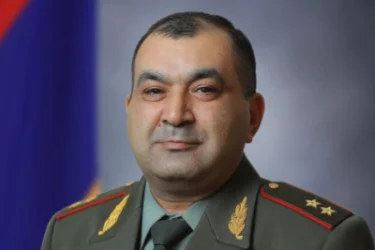
51 Confirmed Prisoners in Baku and 80 Unconfirmed Cases of Abduction: Syunik

Work related to military prisoners began back in October 2020, but the main legal actions were carried out during 2021. In addition to immediate measures for intervention, complaints were prepared and presented to international bodies. This was stated by human rights defender and representative for prisoners' interests at the ECHR, Siranush Sahakyan, in an interview with Tert.am while discussing the main legal efforts made towards the return of prisoners in 2021.
“In addition to all this, we have conducted advocacy and presented the evidence we have to diplomats or officials from international organizations. We tried to exert pressure on Azerbaijan through these channels to ensure progress in the political processes as well. Overall, the courts have satisfied most of our requests for intermediaries; however, they have approached the issue of release from somewhat restricted positions, which is primarily conditioned by the limited mandate of the courts and ongoing global political processes,” said Sahakyan.
She mentioned that despite this, international organizations have sent appeals to Azerbaijan and made both formal and informal efforts. “The issue, of course, remains unresolved and one and a half years is a considerable amount of time for these issues to receive their final resolution, but taking into account the Armenian-Azerbaijani relations or issues, this poses an obstacle in these processes. We have clear tasks for 2022; if during this year we ensured the gathering of evidence and the start of legal processes, in 2022, we will conduct much greater efforts in holding those accountable. Our target will be the military-political leadership of Azerbaijan that committed crimes against Armenians and the immediate perpetrators,” noted the human rights defender.
When asked about the latest figures regarding the number of prisoners, Siranush Sahakyan responded: “As of the incident on November 16, we currently have 40 confirmed prisoners still held in Baku, and this number has remained unchanged. With the November 16 incident, we had approximately three dozen new cases of abduction; according to official data, there were 32, of which 21 have been returned, and 11 are still being held in Baku. Overall, we have 51 confirmed prisoners who are still in Azerbaijan. At the same time, we have unconfirmed cases of abduction, and that group is in a vulnerable state, as they are in uncertainty and no new information is being provided regarding their fates; in other words, they have been subjected to enforced disappearance, and the number of these cases is around 80, while there are about 200 cases of disappearance. Efforts should be made regarding those 80 prisoners to officially register their detentions, irrespective of further developments. As a result of the 2020 war, approximately 135 captured individuals have been repatriated.”
Referring to the cases of repatriated prisoners being detained, Sahakyan stated: “I believe that the use of detention as a preventive measure is being abused in our country. It is implemented for punitive purposes, and instead of enhancing their professionalism, technical capabilities and other resources to ensure an objective examination of the cases, the prosecutorial bodies are trying to construct criminal cases based on coercive self-incriminating testimonies with a Soviet mindset. In pursuit of their desired brief and unrealistic self-incriminating statements, they use detention as a punitive measure. Unfortunately, this practice has been applied to a very vulnerable and sensitive group.”
The human rights defender emphasized that this step received a negative external political response in terms of Armenia’s image. “We also saw how Aliyev accused Armenia of torturing prisoners. The actions they committed were attributed to the Armenian authorities. Legally assessing this detention, we consider it unlawful; it lacks the grounds provided by law, and proportionality is not ensured; this issue could have been resolved with a gentler alternative measure. My colleagues, Ruben Melikyan and David Avagyan, and I are involved in the cases of two detainees and will be contesting the detention measure, and later we will address the matter with factual evidence at the ECHR. I can confidently say that there are no prospects for fleeing; those individuals have refused to go to a third country, and if they had the desire to escape, they would directly take their own route,” said Sahakyan.
Sahakyan noted that in 2022, apart from fundamental legal actions, efforts will be made for criminal prosecutions in foreign countries based on the national legislation of other states, and work will be conducted towards political sanctions.
Նմանատիպ հոդվածներ
Ավելին Society բաժնից
Գետն ընկած 7-ամյա և 13-ամյա քույրերին դեռ որոնում են
Համաշխարհային ավտոհսկան ընդլայնում է ներկայությունը Հայաստանում
Ֆրանսիական պաշտպանական հսկան ռազմավարական գործընկերություն կսկսի հայկական ընկերության հետ