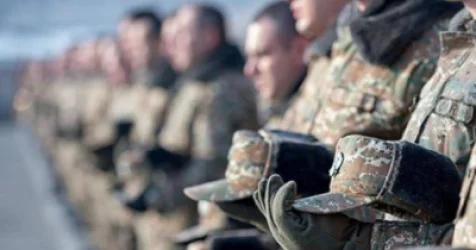
How Biden Can Contribute to Peace in the Armenian-Azerbaijani Conflict
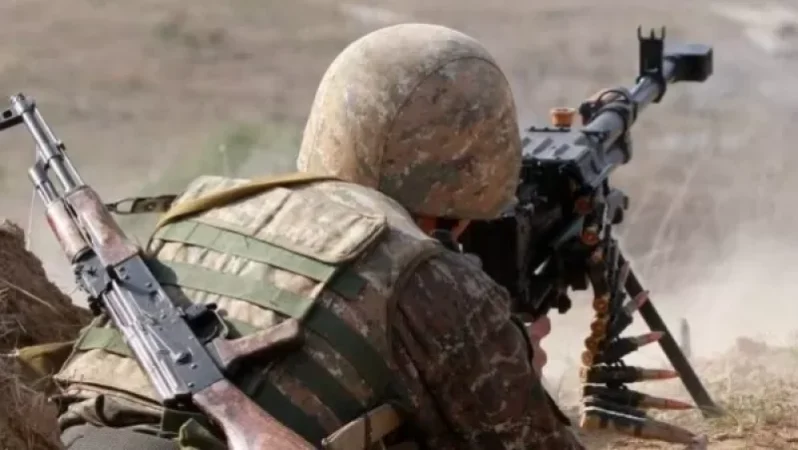
On September 27, 2020, Nagorno-Karabakh was subjected to an attack by Azerbaijan. After a 44-day war, during which Turkish drones and jihadist mercenaries shaped the battlefield in favor of Azerbaijan, over 4,000 Armenians were killed. Russian President Vladimir Putin bypassed the West, negotiating a ceasefire on November 9, which also required the deployment of Russian peacekeeping forces, according to The National Interest.
“While Armenia was withdrawing its troops in compliance with the ceasefire conditions, Azerbaijan continued its provocative and aggressive actions. On May 21, 2020, Azerbaijan captured 41 sq.km of Armenian territory. As a result of these recent actions, 40,000 displaced Armenians are currently homeless.
In addition to Azerbaijan's ongoing cross-border aggression, the situation is exacerbated by its failure to return prisoners of war. Outside the terms of the ceasefire, Azerbaijan and Turkey are now publicly demanding a sovereign corridor that connects Azerbaijan and Turkey through Armenian territory, which would signal death for independent Armenia. This would also annihilate the remaining Armenians in Artsakh.
President Ilham Aliyev continues to spread militant and hate-filled rhetoric of a racist nature. Recep Tayyip Erdoğan’s regime is now negotiating with Armenia through special envoys instead of simply establishing diplomatic relations.
Armenian Prime Minister Nikol Pashinyan has proposed to deploy Russian troops on the Armenia-Azerbaijan border to prevent violations of the ceasefire regime. Armenia has submitted a claim to the UN International Court of Justice (ICJ), accusing Baku of violating the International Convention on the Elimination of All Forms of Racial Discrimination. The ICJ has ordered Azerbaijan to “take all necessary measures to prevent and stop racial hatred directed against individuals of Armenian national or ethnic origin, including by its officials in state institutions.”
Further heightening tensions, Aliyev insists that most of Armenia, including the capital Yerevan, should be incorporated into Azerbaijan. This demand is a bargaining tactic as the countries begin negotiations over border delimitation and transport agreements. But it fits the authoritarian model of spreading false historical narratives for corruption and maintaining power. Today, Azerbaijan occupies 41 sq.km of Armenia and often takes hostages. It continues to shell Armenia without resistance from Russian peacekeepers, who are supposed to halt such actions.
While Russia is tasked with maintaining peace, and authorized mediators, including the US and France, have been excluded, Russia and Turkey have established their own monitoring centers for the ceasefire. This initiative is problematic as Turkey has not signed the ceasefire agreement. As a party to the conflict, Turkey supports Azerbaijan politically and militarily.
Sergey Naryshkin, head of the Russian Foreign Intelligence Service, stated, “We know the work of Turkish intelligence and see certain elements of its operations.” He also noted that Russia has established information about the participation of Syrian mercenaries in the battlefield. “We have clear information about the presence of terrorists in the zone of military operations in Karabakh, primarily from the Middle East and Syria.” Turkish officials brag about Turkey’s role in defeating the Armenians.
The Lachin corridor, which connects Armenia and Artsakh, is a hot spot. Russian peacekeepers and Azerbaijani soldiers patrol there, yet incidents have occurred, including explosions and the killing of Armenian civilians. Russian peacekeepers restrict access to the Lachin corridor for international media and humanitarian organizations. Transport talks collapsed after Azerbaijan insisted on constructing the “Zangezur corridor,” which would connect Azerbaijan and Nakhchivan through Armenian territory.
Holding prisoners of war is also a violation of the ceasefire conditions by Azerbaijan. In violation of the ceasefire conditions, as well as Articles 3 and 4 of the Geneva Conventions, Azerbaijan holds over 100 Armenian prisoners, declaring that they are terrorists, saboteurs, and war criminals. Instead of releasing them under the terms of the ceasefire, Aliyev openly uses them as bargaining chips. Recently, 10 individuals were selectively released, and Aliyev hopes for gain from that.
A video shows Erdoğan’s wife advising Aliyev to use this tactic and keep prisoners of war, which is a gross violation of the ceasefire agreement and the Geneva Conventions.
Prisoners of war recount that brutal treatment began immediately after their capture. They were beaten, tortured, and humiliated by the soldiers who took them captive, and violations continued during interrogation and detention. Prisoners were denied food and water and were deprived of sleep and received minimal medical assistance.
Initially, Russian peacekeepers played a useful role in preventing further aggression from Azerbaijan. However, at this stage, a multilateral approach would be more effective. In 1994, the Organization for Security and Co-operation in Europe established the Minsk Group, co-chaired by Russia, France, and the United States. The Minsk Group can provide greater transparency and more effective peacekeeping operations.
The Minsk Group should expedite negotiations on border delimitation and communication agreements while creating buffer zones that should be legally sanctioned. It can also take on the leadership of monitoring and identifying the parties responsible for the escalation of violence.
The Minsk Group should not turn a blind eye to Turkey, allowing Ankara to expand its presence in the South Caucasus. Direct transport communication through Nakhchivan to Baku will destabilize the region, and this must be prevented. Turkey is a party to the conflict that has no right to participate in peace establishment. The Russian-Turkish joint center should be dissolved.
The Biden administration should insist on the return of all prisoners of war and the criminal prosecution of their captors. France can call on the European Court of Human Rights to play a role that will prevent future crimes. More significant involvement would signal the US commitment to stabilizing the South Caucasus, ending abuses, and increasing accountability. This would also limit Russia’s regional ambitions.
A multilateral approach would restrict Russia's role in the post-Soviet space. It also offers the United States and Russia the opportunity to work together to resolve the regional conflict where their interests intersect.
Նմանատիպ հոդվածներ



Ավելին Society բաժնից

Իլոն Մասկը դարձել է աշխարհի առաջին տրիլիոնատերը
Հակակոռուպցիոն կոմիտեն հաղորդագրություն է տարածել

Հղի կնոջ մասնակցությամբ միջադեպի քննությունը փակուղի է մտել. «Ժողովուրդ»