Pashinyan's Statements Harm the State, Says Former MP from My Step
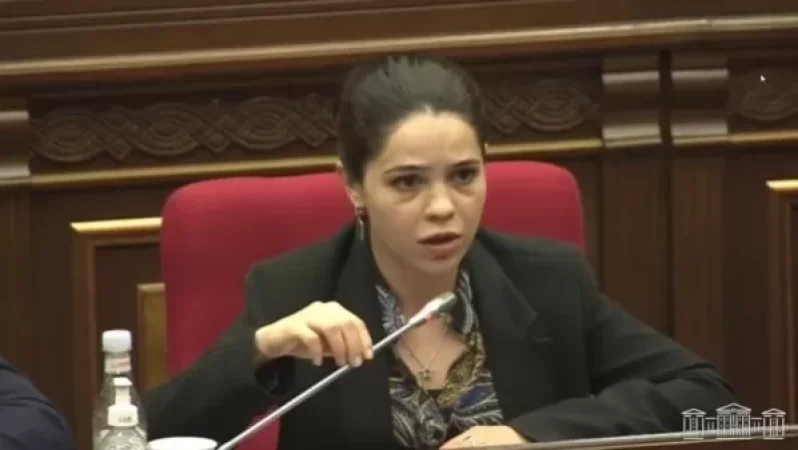
Nikol Pashinyan's statements are landmines under the negotiations concerning Artsakh. These statements significantly damage the future negotiation process; if Nikol Pashinyan can no longer negotiate, he can simply remain silent for a while.
In an interview with Factinfo, former MP and expert on Azerbaijan, Tatevik Hayrapetyan, responded to Pashinyan's controversial statements regarding Artsakh. According to her, Pashinyan feels unable to operate within the framework of the negotiation process, hence he makes such statements to justify himself.
“Any action must have red lines, an awareness of statehood and national interests, personal interests should not take precedence over state interests, and we are currently witnessing that,” said Hayrapetyan, pointing out that Pashinyan's statements simultaneously serve the purposes of the Azerbaijani propaganda machine.
“Moreover, he puts forward such theses that even the Azerbaijani propaganda machine has not promoted in the past. For instance, when he says, ‘Who excluded that one day Azerbaijanis will also want to self-determine from Nagorno-Karabakh?’ Even such a thesis was not pushed by the Azerbaijani propaganda machine,” she noted.
The expert also emphasized that she regards these statements as part of Pashinyan's unclear stubbornness, through which he attempts to justify himself while questioning the present and future of Artsakh.
“Back when the negotiation process began, it was stated that the issue of the de-occupation of Hadrut and Shushi should become part of the negotiations. We must be realistic; this issue will not be resolved tomorrow or the day after. But in the same way, Aliyev negotiated for 30 years, trying to obtain advantageous formulations for himself. In other words, there should be several options for how you can draw a cross over the process and make such statements that question the existence of Artsakh, because any status for Artsakh under Azerbaijan means that no Armenians will live there, or they will be exterminated. One doesn’t need to be very smart to understand this. Today, Nikol Pashinyan leads the country; in a few years, he will no longer be in power. Why is he trying to draw a cross over the Artsakh issue in this way?” Hayrapetyan remarked.
It is noteworthy that Nikol Pashinyan stated that the population of Nagorno-Karabakh—both Armenian and Azerbaijani—should participate in the referendum intended to clarify the status of Nagorno-Karabakh. Responding to Pashinyan’s statement, Tatevik Hayrapetyan emphasized that at that time, there was a clear position regarding the referendum, and the ratio of the Armenian and Azerbaijani populations in Nagorno-Karabakh was 80% Armenian to 20% Azerbaijani.
“Pashinyan has not said anything new; the novelty is that this was to become decisive in clarifying the status of Artsakh. Everyone understands that it could not become decisive due to the ratio of the peoples. Had there been no resistance, there would be no Armenians living there now. Many Armenians lived in Nakhichevan too, but according to the 1989 census, there were no Armenians left there,” she added. “If he is busy protecting interests, I think it would be better if he focused on protecting the interests of the Armenian people; there are people in their own country to protect the interests of Azerbaijanis.”
Pashinyan's comments received a harsh response from Artsakh. First, Araik Harutyunyan issued a statement emphasizing that only the authorities of the Republic of Artsakh are authorized to speak on behalf of the population of Artsakh. Subsequently, the National Assembly of Artsakh adopted a statement countering Pashinyan.
When asked whether there is a danger that Pashinyan could drive a wedge between Armenia and Artsakh with his statements, and what new threats this could provoke, Tatevik Hayrapetyan responded, “Regardless of Pashinyan's statements, which are harmful to the state—I cannot emphasize this enough—on the other hand, we must have sufficient prudence and not allow a wedge to be driven between Artsakh and Armenia. This will only benefit Azerbaijan. Recently, I have also noticed that there are propaganda steps taken in this direction, which is very dangerous. If Artsakh is targeted, the next will be Syunik, Gekharquniq. The mindset that Artsakh is far from us and does not concern us is a flawed mentality and bears no relevance to reality.”
Նմանատիպ հոդվածներ


Ավելին Society բաժնից

Իլոն Մասկը դարձել է աշխարհի առաջին տրիլիոնատերը
Հակակոռուպցիոն կոմիտեն հաղորդագրություն է տարածել

Հղի կնոջ մասնակցությամբ միջադեպի քննությունը փակուղի է մտել. «Ժողովուրդ»