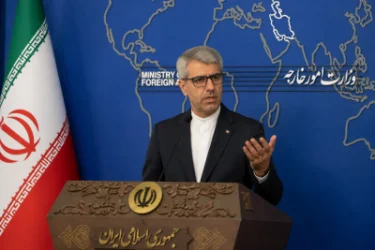
Armenia Should Not Declare Readiness to Normalize Relations with Turkey without Preconditions, Former Foreign Minister Vardan Oskanyan

Former Armenian Foreign Minister Vardan Oskanyan has provided a detailed article to the media regarding Armenia’s potential actions in the upcoming negotiations with Turkey.
The complexity of Armenian-Turkish relations is multi-layered. On one hand, there is the burden of the past, and on the other hand, the imperative to establish friendly relations in the region and to live in peace and stability.
Since the first day of Armenia's independence, reconciling the past with the present and future has been a significant challenge for us. The Armenian side’s approach has been that, however complicated the issues of the past may be, they can only be discussed, resolved, and solved when normal relations, diplomatic ties, and open borders are established between the two countries.
Turkey's approach over the years has been diametrically opposed. Our neighboring country has proposed to resolve all past issues first, receive the answers and solutions it deems satisfactory, and only after that establish diplomatic relations and open the border.
Armenian-Turkish relations have had two dimensions throughout history: substantive and procedural. It is natural to assume that achieving a resolution in substantive matters requires going through processes. However, in the case of Armenian-Turkish relations, for the Turkish side, the process has always been a goal rather than a means.
On one hand, Turks have well understood that their preconditions—such as recognition of the genocide and abandoning territorial claims, along with finding any solution to the Nagorno-Karabakh issue favoring Azerbaijan—are unacceptable for Armenia. On the other hand, feeling the pressure of international public opinion on the issues of opening the border and the recognition of the genocide, they have sought to demonstrate to the world that there is a negotiation process with Armenians and that intervention in and obstruction of negotiations should be avoided.
Over the years, Turkish diplomacy has succeeded in reshaping its more stringent preconditions into formulations that are more digestible for the international community. The abandonment of the genocide process was replaced with the proposal to establish a commission of historians. The issues of territory and reparations were framed as the proposal to establish diplomatic relations through mutual recognition of borders.
Therefore, there is thirty years of accumulated experience regarding the normalization of Armenian-Turkish relations, which began immediately after independence and continues to this day, having gone through various phases and manifestations from which the following conclusions can be drawn:
- Turkey has always participated in these processes with preconditions.
- The issues of Armenian-Turkish and Armenian-Azerbaijani have been interlinked but independent from each other.
- Turkey has always viewed the process as a goal rather than a means for the resolution of the issue, namely the establishment of diplomatic relations and the opening of borders.
The approach of Armenia has remained consistent across the last three governments, irrespective of Turkey’s demands: the establishment of friendly relations without preconditions.
Today, it is evident that the situation has drastically changed, which suggests significant changes in the approaches of the Armenian side. Turkey will not alter its style and positions. Moreover, it will present increasing demands in the negotiations. It is time for Armenia to reflectively apply the aforementioned three approaches that Turkey has put forth and applied over the past thirty years in its negotiations.
From the perspective of the prospects and possible developments of Armenian-Turkish relations, there are two options. The first is that we come to terms with our losses: loss of Nagorno-Karabakh, ceding parts of Armenian sovereign territory, the presence of prisoners, and the possible provision of a corridor through Armenia. In this scenario, normalizing relations with Turkey means legitimizing all of these losses. If the Armenian authorities are currently declaring readiness to establish relations without preconditions, they are effectively signing under this situation.
The second option is that we categorically reject the status quo created by the 44-day war and assert that sustainable peace in the region can only be achieved under conditions of just resolution of the issue, reaffirmation of the undeniable rights of the Armenian side. In this case, the Armenian side must set clear guidelines for itself and enter the negotiation process with a national agenda that serves our interests.
Armenia must not declare that it is ready for normalization without preconditions. Nor should it insist that it has preconditions to achieve this goal. The current situation compels Armenia to incorporate several key issues into its agenda for negotiations with Turkey.
Before taking significant steps towards resolving the issues, there must be at least a clear mutual understanding between the two sides on these matters. Let us not forget that, over the last thirty years, Turkey has always excluded issues directly related to the two countries from its preconditions, incorporating third-party issues linked to Azerbaijan.
Taking into account this precedent and Turkey's overt and active military and diplomatic support for Azerbaijan during the 44-day war, Armenia has every right to raise issues concerning Azerbaijan and Nagorno-Karabakh in its negotiations with Turkey.
Armenia should present a clear agenda from the very first meeting, which should include at least the following four points:
- Withdrawal of Azerbaijani forces from Armenian sovereign territory,
- Immediate return of all prisoners of war,
- Recognition of the former boundaries of the Nagorno-Karabakh Autonomous Oblast as a single political entity,
- Resumption of negotiations regarding the final legal status of this entity within the framework of the Minsk Group.
These are the issues that Turkey should know in advance, that Armenia will not abandon, and that Turkey cannot pose any preconditions regarding these matters.
Not everything is lost; much can still be restored.
Նմանատիպ հոդվածներ



Ավելին Politics բաժնից
Կարևոր ուղերձ՝ ՌԴ–ՀՀ հարաբերությունների ֆոնին
ՌԴ-ն պնդում է` ամերիկյան միջուկային զենքը պետք է դուրս բերվի Եվրոպայից
Վերահաշվարկից հետո կուսակցությունների ձայների հաշվեկշռում փոփոխություններ են արձանագրվել