Sanitary and Hygienic Standards Not Maintained at Some Meat Stalls Near GUM Market
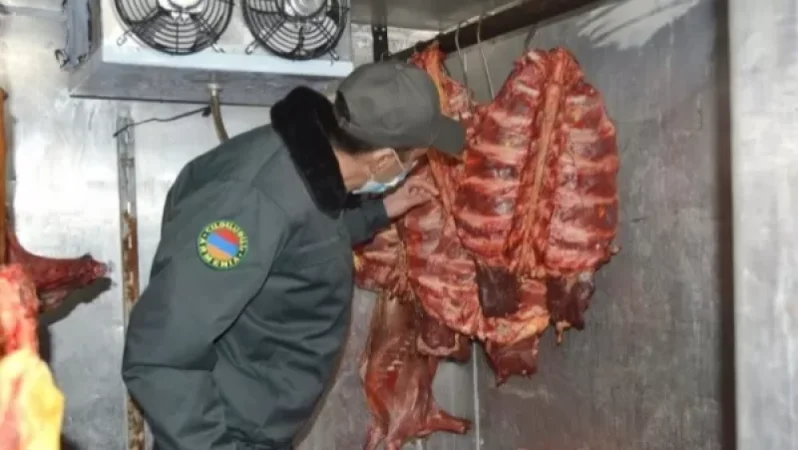
The Food Safety Inspectorate of Armenia has intensified its oversight of meat sales in markets ahead of the New Year, starting from December 21. Inspectors from the regulatory body are conducting surprise inspections both early in the morning, during the delivery of meat to markets, and in the evening when the sale of non-slaughterhouse meat is more likely.
The inspection began in the meat stalls along Khorenatsi Street in Yerevan, adjacent to the GUM market, and will continue across all meat sales points in the city. The main goal of this intensification is to monitor the origin of the received meat, and to ensure compliance with transportation conditions and the maintenance of sanitary and hygienic norms at the stalls.
The inspectors have already visited 26 operational stalls, checking the veterinary documents accompanying the received meat. Discrepancies were noted at 8 operators, where the veterinary document No. 5, which certifies slaughterhouse origin, was absent, and the meat was transported using vehicles that did not meet sanitary and hygienic standards. Furthermore, some stalls did not adhere to sanitary and hygienic norms.
Reports have been filed, based on which administrative liability will be determined. The Food Safety Inspectorate also noted that compared to previous years, there has been a certain improvement in the transportation conditions of the meat and the sanitary conditions of the stalls. Most stalls are now presenting veterinary document No. 5, which certifies the slaughterhouse origin of meat and animal products entering the market.
The intensified oversight in meat sales markets will continue until December 31. A summary report of the results will be provided on January 3, 2022.
Reminder: The requirement for slaughterhouse origin has been mandatory throughout the republic since July 1, 2020. This includes:
• Only the circulation of meat that has undergone slaughterhouse processing,
• Meat labeling, including information about the slaughterhouse,
• Administrative liability for failing to meet these requirements.
To transport and sell slaughterhouse-origin meat and meat products in Armenia, the Food Safety Inspectorate issues veterinary certificate form No. 5. The slaughterhouses must provide the meat to the sellers with this certificate. Form No. 5 has a label that is filled out by the provider and given to the seller if the specified batch is to be divided and sold at different points of sale or food service establishments. Each divided batch also comes with a label that is identified by the sequential numbering on the certificate.
The sale of veterinary certificate form No. 5 incurs criminal liability. Sellers and consumers acquiring animal products must request this certificate or label to ensure slaughterhouse origin and safety. Additionally, consumers can request and verify its authenticity through a QR code, receiving complete information about the sold meat on-site and confirming that the batch has slaughterhouse origin and is safe.
Նմանատիպ հոդվածներ


Ավելին Society բաժնից
Ինչ իրավիճակ է փլուզումից հետո. նոր մանրամասներ
Կամրջի փլուզումից հետո մեկնարկել են վերականգնման աշխատանքները
«Գայի պոստի» մոտ գտնվող կամուրջը «պայթել» է