Aliyev and Pashinyan's Dialogue Suggests Agreements Not Documented, Tarasov
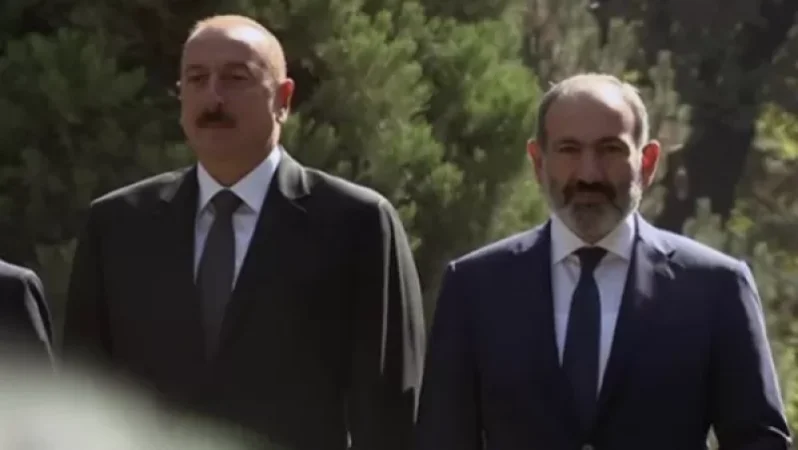
Meetings and negotiations between Azerbaijani President Ilham Aliyev and Armenian Prime Minister Nikol Pashinyan, initiated by Russian President Vladimir Putin, subsequently taking place in Brussels with the participation of European Council President Charles Michel, and later in the presence of French President Emmanuel Macron, resemble a political spectacle characterized by modern theatrics. This is the view of Stanislav Tarasov, a Caucasus expert and editor at the Regnum agency, as he reflects on the Brussels meetings.
According to him, “everything turns into a sort of show where suddenly new actors appear, pushing former players into the second or third plan, and throughout the storyline, everyone becomes hostages of a hidden scenario.”
“Judge for yourself: Aliyev and Pashinyan conducted negotiations in Brussels in the format of the ‘Eastern Partnership’ summit. Prior to that, they had individual meetings with Michel. Afterwards, they had a private conversation for some time. Several signs indicated that everything revolved around Armenia's painful issue of post-conflict regulation—the construction of a road from Azerbaijan to Nakhchivan, which Baku calls the ‘Zangezur corridor.’ After the ongoing conflicts between Aliyev and Pashinyan in Sochi, it was hard to imagine any progress. However, suddenly in Brussels, it became known that the parties ‘were able to agree on this issue and are ready to proceed with the restoration of the railway line.’ Additionally, the EU plans to establish a mission of experts to support the delimitation and demarcation work,” writes the Caucasus expert.
According to Tarasov, the same formulations were previously published by the Russian Foreign Ministry, trying to bring the positions of Baku and Yerevan closer together, but with its participation. Now, the initiative for the peace process has partially shifted to Paris. It is not by chance that the French president suddenly joined the Aliyev-Pashinyan dialogue.
“The Brussels negotiations, which are qualified as a continuation of the Sochi process, nevertheless have different outcomes. One of them is that with the permission of Baku and Yerevan, Paris joined the course of events as one of the members of the OSCE Minsk Group. Now France can present itself as one of the influential external players in the South Caucasus, alongside Russia and Turkey. This means that it is doing something it previously avoided. If Macron previously placed his bets solely on Armenia, now he is also trying to win the sympathy of Azerbaijanis,” notes Tarasov, adding that this could allow not only engagement in the implementation of the November 9 agreement but also introduce certain changes based on its own interests.
The article observes that previously Baku viewed Paris's actions as a 'treacherous conspiracy' in favor of Armenia but is now pursuing a policy of rapprochement with France. Tarasov highlights another important point: prolonged direct dialogues between Aliyev and Pashinyan imply the element of reaching agreements that are not documented in papers or negotiations with intermediaries. The expert, considering the statement made in Sochi about the need for the creation of a 'bilateral body for delimitation', suggests that there could be a mechanism of secret verbal agreements between Aliyev and Pashinyan. This could pose serious challenges, primarily for Armenia, which has previously always lost to Azerbaijan in the realm of secret diplomacy.
“Aliyev has a clear objective that he strives to achieve. It is no coincidence that he referred to the Brussels negotiations as ‘effective and practical,’ adding that ‘it is important not to lose this opportunity and to work towards establishing sustainable peace in the region.’ But what objectives does Armenia have after the defeat?” concludes the expert.
Նմանատիպ հոդվածներ

Ավելին Society բաժնից
Նիկոլ Փաշինյանը կոչով դիմել է ՀՀ քաղաքացիներին
Հունիսի 1-ին ՆԳՆ-ն երեխաներին հրավիրում է մեծ տոնախմբության․ անակնկալներ, շոուներ և նվերներ
ՏԵՍԱՆՅՈՒԹ․ Հրկիզված մեքենաներ, թալանված խանութներ․ Փարիզում զանգվածային անկարգություններ են