What Do Turkish-Azerbaijani Emphases Suggest Against the Background of Brussels Meetings?
The "Pats" newspaper writes: "The situation in the region surrounding Armenia remains explosively volatile. Azerbaijan periodically violates the ceasefire regime and refuses to withdraw its military forces from the territory of the Republic of Armenia. Overall, the messages coming from the Turkish-Azerbaijani tandem indicate that Ankara and Baku are ready for a new military campaign against Armenia. Evidence of this is also provided by the regular joint military exercises between Turkey and Azerbaijan and the continuous expansion of military-technical cooperation.
In such a situation, Turkish leadership continuously proclaims that Armenia should take advantage of the 'historical chance.' If asking for peace after capitulation is a 'historical chance,' then one can imagine what the alternative might be. It should be noted that as a result of the Nagorno-Karabakh war, Turkey's influence in the region has increased, but Ankara sets several preconditions for normalizing relations with Yerevan, one of which is related to resolving relations between Baku and Yerevan, while Baku’s 'appetite' keeps growing.
During this time, when the Armenian side expresses readiness to normalize relations with Turkey, the Turkish side responds that they expect concrete actions from Armenia instead of words, meaning the fulfillment of preconditions. But suddenly, a supposed change in Ankara’s position occurs, as Turkey's Foreign Minister Cavushoglu unexpectedly announces that special representatives will soon be appointed as part of the steps aimed at normalizing relations with Armenia.
Shortly after, Cavushoglu's statement is confirmed by the Armenian authorities through the spokesperson of the Ministry of Foreign Affairs. However, it is important to approach messages from the Turkish side with great caution, and the appointment of mutual special representatives does not necessarily mean that relations will be normalized as a result. The Turkish side signed the Armenian-Turkish protocols in 2009, but we all know how Ankara failed to implement them afterward.
On the other hand, Cavushoglu's statement is yet another case where the Armenian public learns about processes related to Turkey and Azerbaijan from the statements of the enemy country's authorities. This reality once again confirms that the Armenian authorities are negotiating in secret from the public. Here arises another question: what is the reason for this supposed 'change' in Turkish positioning? Are the Armenian authorities yielding to Turkish preconditions?
Since Turkey has always linked the normalization of relations with Armenia to Azerbaijan, it is essential to pay attention to Baku’s behavior these days. The meetings between Pashinyan and Aliyev in Brussels may indicate how events are developing.
Notably, after negotiations with NATO Secretary General Jens Stoltenberg in Brussels, Aliyev announced that the passport regimes for the Lachin corridor and the so-called 'Zangezur corridor' must coincide. According to him, if a customs checkpoint is established in the 'Zangezur corridor,' they can also place a customs checkpoint in the Lachin corridor. Aliyev’s statement is followed by a response from Pashinyan in the form of a Facebook post, stating that Azerbaijan is attempting to push the issue of opening regional communications into a deadlock.
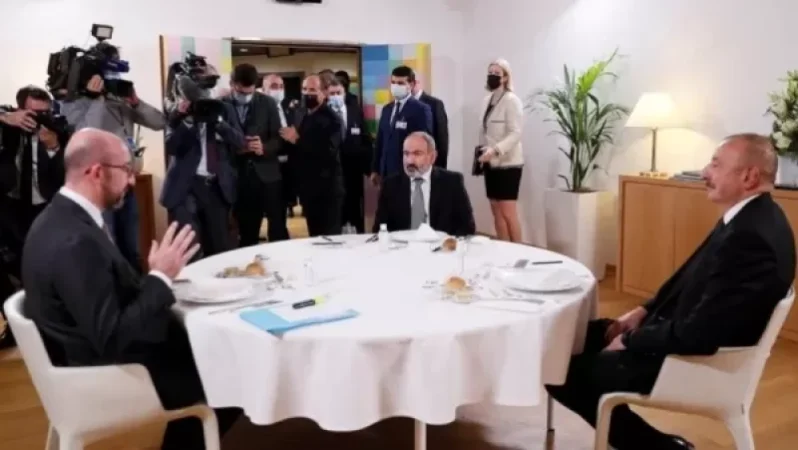
This retort leads to a tripartite meeting between Pashinyan, EU Council President Charles Michel, and Aliyev mediated by Michel, resulting in a joint statement. Apart from the EU’s intention to provide expert advisory support to assist in the delimitation and demarcation processes between Armenia and Azerbaijan, there was no new information in the statement.
Following the meeting, Pashinyan makes another Facebook post indicating that the agreement reached in the tripartite discussion regarding the reactivation of the railway will operate according to internationally accepted border and customs regulations on the basis of reciprocity. In this way, it seems that Pashinyan is trying to once again emphasize that there will be no 'Zangezur corridor.' However, his assurances have already depreciated so much that, in reality, the opposite is occurring.
Was Aliyev’s mention of the Lachin corridor coincidental? Previously, Aliyev spoke about opening a corridor by force, but this time, the issue is being directed towards the Nagorno-Karabakh conflict. Therefore, if Azerbaijan attempts to pressure Armenia by establishing a customs checkpoint in Lachin, have our authorities considered how to resist and prevent that, or are they once again inclined towards the idea of concession? Otherwise, why are governmental theses being thrown into the public domain that we should agree to a version of autonomy for Artsakh within Azerbaijan, if not, we will lose more?" Read the full article in today’s newspaper.
Նմանատիպ հոդվածներ

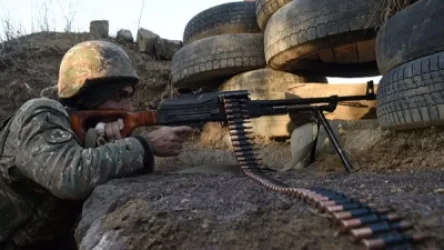
Ավելին Incidents բաժնից
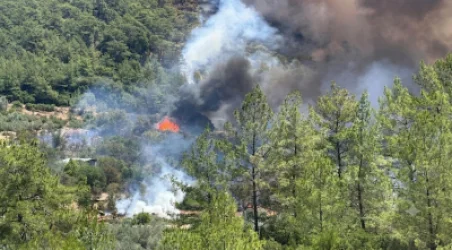
Թուրքիայում խոշոր անտառային հրդեհ է բռնկվել․ տարհանվել են բնակիչներ
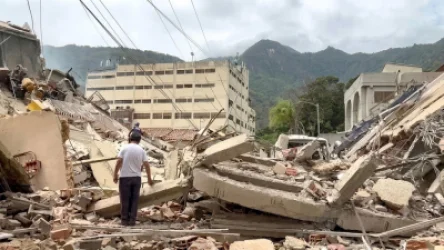
Վենեսուելայում տեղի ունեցած ավերիչ ցնցումների պատճառով զոհված քաղաքացիների քանակը հասել է 5,346-ի
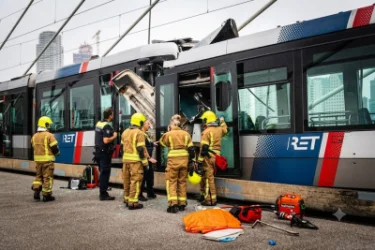
15 վիրավոր՝ Ռոտերդամում երկու տրամվայի բախման հետևանքով