PCR Test Costs 2000 Dram, but Citizens Pay 10,000 to 40,000 Dram, Becoming Millionaires at the Expense of People, Vardevanyan
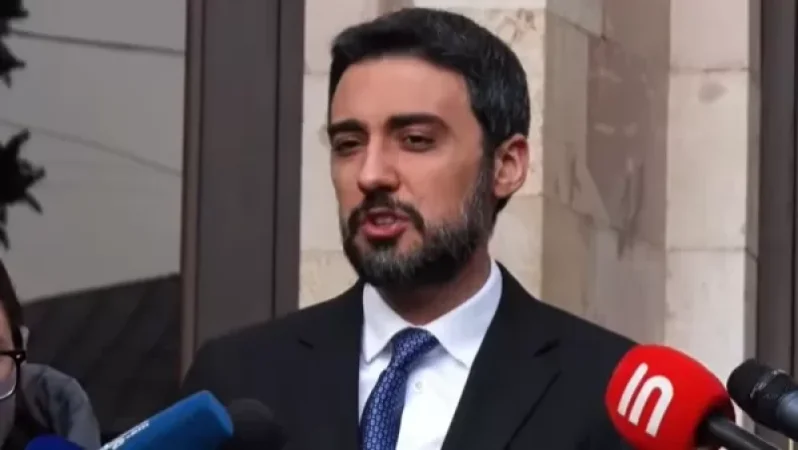
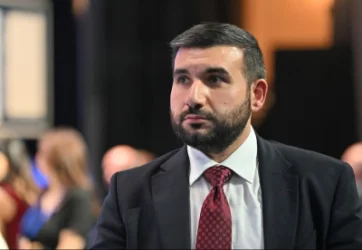
The Constitutional Court continues to assess the constitutionality of the minister's order regarding vaccinations. Aram Vardevanyan, a member of the 'Armenia' faction, stated in a conversation with journalists at the Constitutional Court that the Court's decision is crucial in all cases. The Court will evaluate the constitutionality of the intervention.
Vardevanyan noted that such an issue should not have been on the level of an order but should have been exclusively part of the law. 'In any case, even the intervention provided at the level of law must be proportional and lawful. If the Constitutional Court issues a decision that it is contrary to the constitution and invalid solely on the grounds that it was not provided for by law, it will not have a significant impact on today's situation. However, if the Court assesses the proportionality and lawfulness, I assure you, it can have a significant impact in practice.' He expressed hope that the Constitutional Court will eventually address the issue where the state can bear the burden of expenses in many matters but leaves the citizen alone in this situation.
'If the state pays for the PCR test, there is no difficulty in that,' Vardevanyan said, emphasizing that compulsion for vaccination propaganda is not mandatory, but rather the opposite. He pointed out that today health professionals speak less about the importance of vaccination than officials do.
The Constitutional Court must also evaluate the repressive approach in the fight against the coronavirus. He referenced that a citizen could be dismissed from work if they delay the results of a PCR test, and employers who attempt to interpret the delay could become targets. Thus, the Court's decision could also prevent that.
Vardevanyan observed that the law should not be rigid; it should be structured in a way that does not disrupt employer-employee relationships. He added that if the state mandates testing as an obligation, it should control the pricing policy. 'We have PCR tests that cost 40,000 dram. A person earning 68,000 dram per month, if relying on that one clinic, must pay that much for PCR testing; this is absurd. Even 10,000 to 20,000 dram is a significant expense, considering that it involves more than two tests a month. If the cost price is 2,000 dram, how can it dynamically increase like that? It seems to be a business sector where people become millionaires at the expense of others. Let the state subsidize; they should not take money out of people's pockets.' Vardevanyan noted that almost all primary reforms in European countries were carried out with the state paying for testing, and after a certain phase, the model was changed.
Նմանատիպ հոդվածներ


Ավելին Society բաժնից

Թրամփի դիմանկարը կհայտնվի ԱՄՆ նոր անձնագրերում. ԶԼՄ
ՏԵՍԱՆՅՈՒԹ. Կալուգայի Սամոյի ՀԷՑ-ը ինչու՞ էր ավել հոսանքի փող գրում Հալիձորի մանկապարտեզի վրա. Ալեքսանյան
Որքան ժամանակ ուժի մեջ կլինի ընթացիկ «կապույտ անձնագրերը» ՀՀ քաղաքացիների համար