Internal Patriots Remain Unsettled, External Partners Do Not Consider the Mission Completed: Nikol Pashinyan
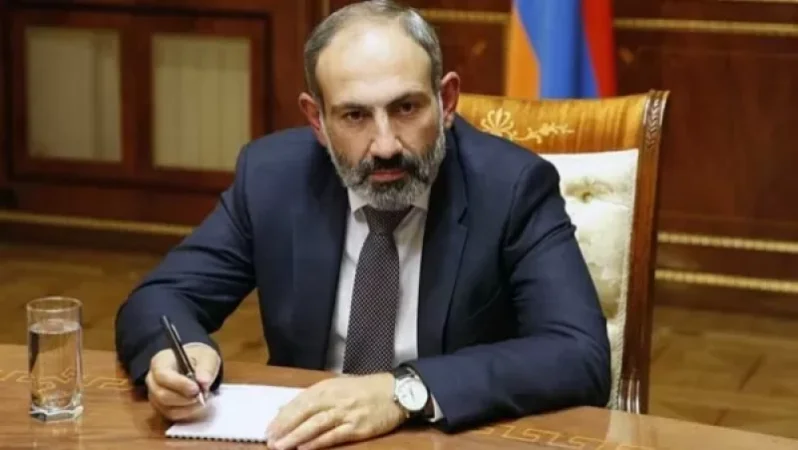
Prime Minister Nikol Pashinyan wrote on his Facebook page: “The rhetoric of ‘traitorous government’ generated by some is by no means the voice of pain for a lost homeland. This is a carefully thought out and long-prepared episode of a hybrid war.
Back in 2018, when I had just become Prime Minister, I hadn't even had the chance to read the negotiation papers regarding the resolution of the Nagorno-Karabakh issue, and the same forces were whispering that our government was preparing to cede lands. That idea was gradually, step by step, being circulated in public discussion.
The purpose was simple: if/when the time comes to protect the interests of Artsakh and Armenia by arms, the idea will sound legitimate that fighting and struggling are pointless, everything has been agreed upon by higher authorities, ‘the lands have been handed over,’ and through these theses, the country's resilience, the motivation and will of the soldier would be broken. Meanwhile, before any possible war, it would weaken the country's position at the negotiation table.
Such combinations, of course, are built through close cooperation between external and internal forces, and those who form such discourse internally often do not even realize what they are participating in, because everything is presented under a high ‘patriotic’ sauce. But the narrow circle of the elite certainly cannot be unaware of its own mission, which is based on mutually beneficial cooperation with external powers: External forces – territories, internal forces – power.
In 2020-2021, the first part was accomplished; the second part was not. But as you can see, internal ‘patriots’ are not calming down, because their external partners do not consider the mission to be completed.
Here, criticism directed at the government and state bodies is appropriate. And why aren’t you preventing it? Of course, there are dozens of factors, one of the key ones being the degree of stability of state institutions. This is why I consider our core problem to be the low level of the stability of statehood and state institutions, and the main task is the development of statehood and state institutions, which I firmly believe is the only guarantee for our future. Perhaps... it is ongoing...”
Նմանատիպ հոդվածներ
ECHR Orders Azerbaijan to Pay 30,000 Euros to Badalyan, Released from Captivity – Edmon Marukyan
Azerbaijan Must Release Armenian Prisoners, "They Are Being Held Illegally": Call from 26 Italian Parliamentarians
Approximately $1.18 Million Transferred to Azerbaijan's State Budget from Customs Duties on Goris-Kapan Road
‘Honorary’ to Join Alan Simonian’s Resignation Demand by ‘Armenia’ Alliance
Ավելին Politics բաժնից
ԿԸՀ-ն` ուժը կորցրած է ճանաչել պատգամավորի երկու թեկնածուի գրանցումը

Ովքեր ունեն Էլեկտրոնային եղանակով քվեարկության իրավունք․ մանրամասներ
Իրանը չի պատասխանել ԱՄՆ-ի խաղաղության նոր առաջարկին