33 Years Since the Devastating Spitak Earthquake
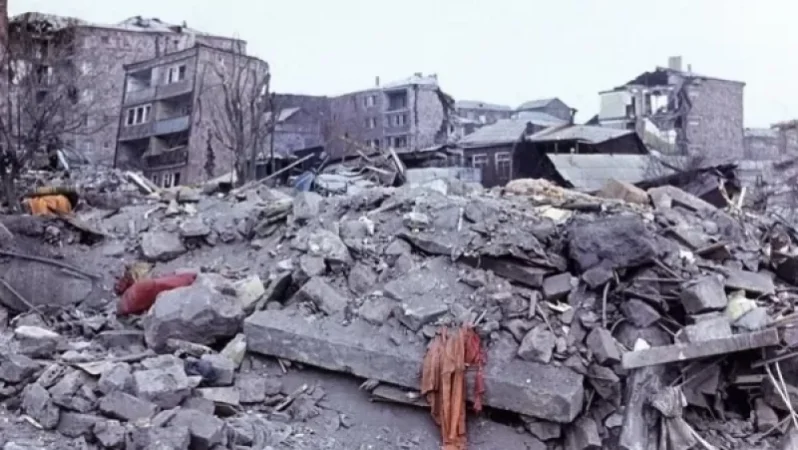
It has been 33 years since the most terrifying and devastating earthquake in Armenia's history. On December 7, 1988, at 11:41 AM, the northern regions of Armenia were rocked by seismic activity. The earthquake affected approximately 40% of Armenia’s territory, home to 1 million people.
The epicenter of the earthquake was in the village of Shirakamut (Nalband) near the city of Spitak, where the intensity of the underground shocks reached 10 on the Richter scale (out of a maximum of 12). A total of 21 towns and districts, along with 342 villages, were impacted. Over 514,000 people were rendered homeless, and approximately 20,000 were injured, with 12,500 requiring hospitalization. The death toll reached around 25,000, with significant casualties reported in Gyumri (approximately 15,000 to 17,000) and Spitak (about 4,000).
Seventeen percent of the housing stock in Armenia was destroyed, 170 industrial enterprises ceased operations, and considerable damage was inflicted on rural areas and the agro-industrial complex. Major harm was also done to architectural, historical, and artistic monuments, with 917 cultural heritage sites affected.
Thousands of buildings suffered massive damage and collapsed. Through the concerted efforts of the population and rescue workers, more than 45,000 individuals were rescued from the rubble, and 12,500 were hospitalized.
Over 113 countries and 7 international organizations provided comprehensive assistance to Armenia following the disaster. From the very first hours, all Soviet republics began delivering medications, medical equipment, construction machinery, tents, and food supplies. By 1989, more than 40,000 specialists and military personnel from various regions of the Soviet Union were working in the disaster zone.
One of the aircraft bringing aid to Armenia from the former Yugoslavia was involved in an accident, resulting in the loss of all 7 crew members. A memorial has been established at that site in their honor.
From the initial hours after the earthquake, the Armenian diaspora mobilized, providing multifaceted assistance to fellow countrymen. Organizations such as “SOS Armenia,” “Aznavour for Armenia,” and many others were created. Many Armenians from the diaspora rushed to their homeland, bringing food, clothing, and medicines. A significant number of them, including doctors, psychologists, builders, and architects, stayed in Armenia to directly participate in rescue and recovery efforts.
Նմանատիպ հոդվածներ
Request to Detain 5 of the Captives Returned to Armenia
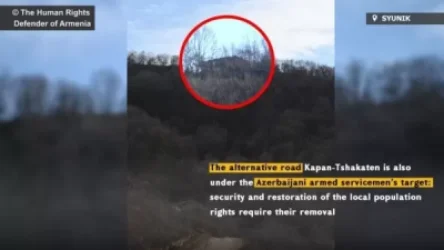
Azerbaijani Soldiers Monitor Alternative Route from Kapan to Jakaraten: Arman Tatoyan

Armenian Producer Arrested for Stabbing Dentist in Moscow

Desertion is Occurring and Soldiers are Surrendering Because the Commander of the Corps Who Handed Over Positions Has Been Appointed Chief of Staff: Movses Hakobyan
Ավելին Society բաժնից
Փամբակ գետն ընկած քույրերի որոնումները վերսկսել են. ինչ է հայտնի
Սիփան Փաշինյանը՝ Տավուշի մարզպե՞տ․ «Հրապարակ»
Որտե՞ղ է ընտրական արդարությունը. «Փաստ»