The Self-Destruction of Covid-19: How Japan Overcame the Coronavirus
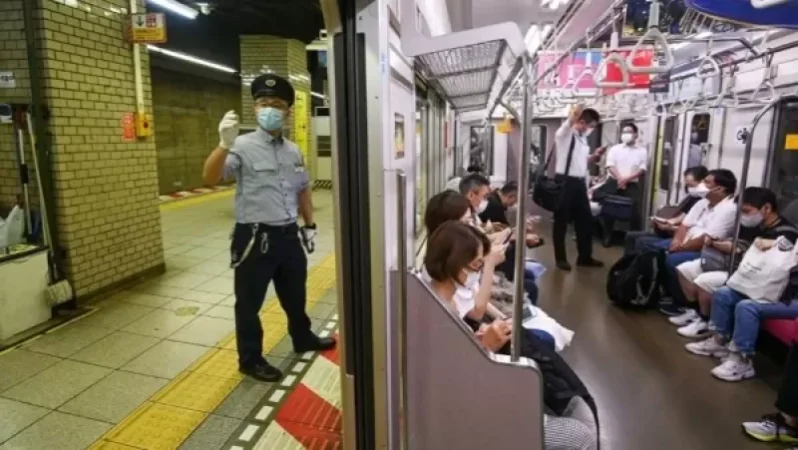
In Japan, the coronavirus has disappeared. This is reported by РИА Новости, noting that the fifth and most severe wave of the pandemic, triggered by the highly infectious Delta variant, has abruptly come to an end.
According to a group of researchers, the pathogen has 'self-destructed' due to a lethal mutation.
Three months ago, at the peak of Delta's spread, approximately 26,000 infections were detected daily in Japan. Now, the number of infections is less than 200, and overall mortality is approaching zero.
The main factors contributing to overcoming the situation are typically cited as the high level of vaccinations and discipline. However, the National Institute of Genetics and Niigata University believe that the whole issue lies in the genetic changes of the coronavirus.
By charting different variants of SARS-CoV-2, scientists discovered that the Alpha variant, which dominated during the fourth wave of COVID-19 in Japan, was genetically very diverse, consisting of five main groups with numerous branched mutations.
It was presumed that the more infectious and aggressive Delta variant would be even more diverse. However, strangely, scientists noticed that initially, mutations accumulated rapidly, but then suddenly ceased.
"We were just shocked," admitted Isuro Inoue, a professor at Niigata University, in an interview with The Japan Times. "It seems that along with the accumulation of mutations, the virus has become dysfunctional and lost its ability to replicate itself."
Նմանատիպ հոդվածներ
A Replica of the Statue of Marshal Vazgen Sargsyan to be Installed in Jermuk
Commander Arrested in Connection with November 16 Events; Fled with 7 Soldiers
Conscription Soldier Dies Due to Azerbaijani Gunfire, Ministry of Defense Provides Details
Armenia's Ministry of Defense Urges Caution Against Spreading False Information
Ավելին Society բաժնից

ՁԱՅՆԱԳՐՈՒԹՅՈՒն. Դավիթ Իշխանյանը Բաքվի բանտից դիմել է ՀՀ ՄԻՊ-ին
Մահավան դեպքեր` «Հանտավիրուսից»

ՏԵՍԱՆՅՈՒԹ. Խաբել են, թե Բագրատ Սրբազանը պլանավորել էր «2 հոգու գյուլլել». Մանուկյան