Azerbaijan Confirms Presence of 40 Armenian Prisoners of War, Denies 100 More: Ararat Mirzoyan's Interview with Le Figaro
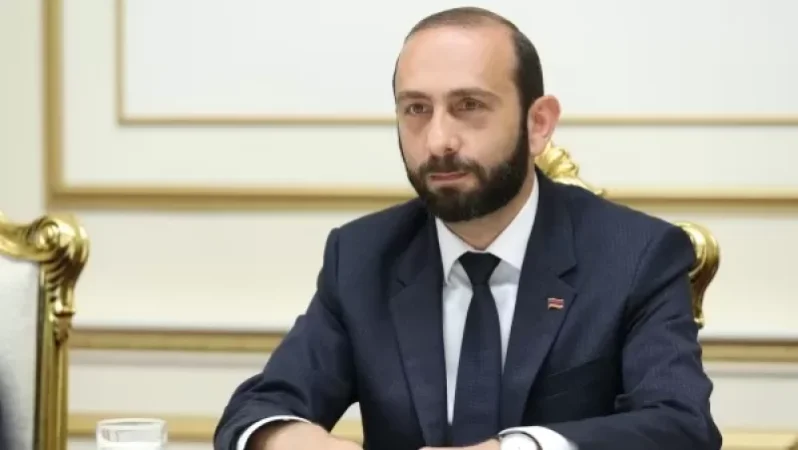
The Armenian Ministry of Foreign Affairs reports that on November 11, during a working visit to Paris, Armenian Foreign Minister Ararat Mirzoyan gave an interview to the renowned French newspaper Le Figaro, which is presented below.
What is the situation at the border and one year after the conflict in Nagorno-Karabakh?
The military aggression of Azerbaijan against Nagorno-Karabakh ended with a tripartite statement on ceasefire on November 9, 2020. However, the situation remains very tense. In this past year, Azerbaijan has registered around thirty serious violations of the ceasefire, resulting in casualties and injuries on the Armenian side. Civilians have also been killed.
Nevertheless, Armenia is making every effort towards establishing stable peace in the region. However, for this process to be effective, efforts must be mutual.
What efforts is Armenia prepared to undertake?
The rhetoric of the two sides differs greatly. Armenia speaks of opening all communication routes, while Azerbaijan insists on the so-called “corridor” (with Nakhichevan, situated between Armenia, Turkey, and Iran).
As a gesture of goodwill, Armenia is ready to transmit all maps of mines located in its territory, but Azerbaijan, despite having an obligation, does not release Armenian prisoners of war.
While we speak of peace, Azerbaijan multiplies its xenophobic statements. This is evidenced by the speeches of the President of Azerbaijan, as well as the opening of the “Strategists' Park” in Baku this spring, where Armenians are depicted in a derogatory and mocking manner.
How far can this propaganda of hatred take us?
The answer to this complex question lies in Baku. Hatred can lead to extermination and genocide. The Armenian people know this.
Lasting peace is possible, but it is difficult to imagine the presence of the Armenian population in areas controlled by Azerbaijan. Today, there are no Armenians living in areas that have come under Azerbaijan's control as a result of the war, which is a factual evidence of ethnic cleansing.
How many prisoners of war are held in Azerbaijan and under what conditions?
There are numerous testimonies regarding the inhumane and humiliating treatment of Armenian prisoners of war and torture. These cases have been documented by various international NGOs, including Human Rights Watch. We also have documented videos and photos that prove these individuals are captured, but Azerbaijan denies their existence.
They may be subjected to extrajudicial executions, kept in underground prisons, or become victims of human organ trafficking. Azerbaijan has confirmed the presence of 40 Armenian prisoners of war, while denying another 100.
Last Wednesday, you met with French Foreign Minister Jean-Yves Le Drian and then participated in a three-party meeting with your Azerbaijani counterpart Jeyhun Bayramov involving the co-chairs of the OSCE Minsk Group. What were the outcomes of this meeting?
First and foremost, I would like to thank President Macron, French parliamentarians, and all those who have supported Armenia. I want to emphasize the importance of resuming negotiations under the auspices of the OSCE Minsk Group. Certainly, the issue of a final resolution of the conflict is on the agenda. But at this stage, we agreed to move forward with small steps related to the release of prisoners of war, ensuring access for international organizations, including UNESCO, for humanitarian purposes in Nagorno-Karabakh, aimed at monitoring the condition of Armenian cultural heritage, as the cultural monuments of Artsakh are under the threat of deliberate destruction by Azerbaijan. An example of this is the bombing of the Holy Savior Cathedral of Shushi during the war by drones. About 1,500 cultural monuments and 19,000 museum pieces are under threat.
What role should Russia play, which has deployed 2,000 soldiers in Nagorno-Karabakh to ensure the ceasefire?
Russia managed to stop the war on the 44th day of military operations. Russia is a co-chair of the OSCE Minsk Group. Russian peacekeeping forces provide security for the Armenians of Nagorno-Karabakh and contribute to the restoration of normal life. Azerbaijani violations of the ceasefire are also aimed at undermining the credibility of the Russian peacekeepers.
Is Armenia ready to normalize relations with Turkey and accept the existence of a corridor connecting Azerbaijan and Turkey?
We have always stated that we are ready to normalize our relations without preconditions, despite Turkey's significant support for Azerbaijan during the war against Artsakh, both politically and through the provision of weaponry and the deployment of thousands of foreign mercenaries.
We have received positive signals from Turkey regarding the reopening of dialogue, but it remains convoluted. Ankara is introducing new conditions. Among them is the “corridor” connecting Azerbaijan and Nakhichevan. This cannot be a subject of discussion at all. States must allow transit while maintaining sovereignty over their territories. All communication routes in the region should be reopened.
Նմանատիպ հոդվածներ
Azerbaijani Armed Forces Attempted Positional Advancement on Eastern Border with Armenia: MoD
U.S. Embassy Issues Security Alert to Citizens in Armenia
Sharmazanov: It is Possible That Pashinyan Wants to Change the Foreign Policy Vector
U.S. Embassy Issues Warning to Avoid Karahunj-Davit Bek and Kapan-Chakaten Areas: Karen Vrtanesyan
Ավելին Politics բաժնից
ՏԵՍԱՆՅՈՒԹ. Բողոքի ակցիա` ԿԸՀ-ի դիմաց
Անհաջող հումոր է. Ավինյանի խոսնակը՝ Իոաննիսյանին
Հայտնի է` ինչ մեղադրանք է առաջադրվել Ալեն Ղևոնդյանին և Տիգրան Վարդանյանին