Human Life, Peace, and Security Disrupted: Armenia's Human Rights Defender on Azerbaijani Actions in Goris-Kapan

The Human Rights Defender of Armenia, Arman Tatoyan, asserts that under the guise of opening roads, Azerbaijani authorities are pursuing a targeted policy aimed at isolating Armenian civilian settlements and creating humanitarian issues. Since the so-called Azerbaijani border and customs control was declared on the Goris-Kapan road on November 11, 2021, it has no relation to its stated objectives.
This is substantiated by concrete actions taken by Azerbaijan and the ensuing consequences. Firstly, the facts indicate that the underlying cause, the source of tension, is the established political strategy of promoting hatred and animosity towards Armenians under the auspices of the Azerbaijani state. Furthermore, it is evident that Azerbaijani authorities are fully aware that the blockade of the Goris-Kapan road or the so-called Azerbaijani border and customs control will lead to violations of the rights of the civilian population and serious humanitarian issues, including the isolation of various civilian settlements. They are deliberately taking such actions and are continually expanding them.
Since November 11, violations of the rights of individuals, including residents of communities (children, people with disabilities, the elderly, etc.), and serious humanitarian issues have arisen in Syunik. Communication has significantly deteriorated, particularly between Goris, Vorotan, Shurnukh, Bardzravan, and other civilian settlements due to the obstruction of the main roadway by Azerbaijani actions. The traffic on the Tatev-Kapan road has been severely burdened, disrupting the free and safe movement of people and goods for business purposes.
There are limitations on the access to food supplies (bread and other food products), essential goods, and medical assistance and services in these settlements. People are faced with challenges in earning family income (for example, through the sale of agricultural products). The normal life, peace, and security of people have been disrupted, affecting their physical and mental integrity, freedom of movement, and other vital rights. The situation severely violates the interests of children and infringes upon the humanitarian right to receive immediate medical assistance.
Moreover, this scenario has become a factor that heightens tension within society. Azerbaijani masked and armed personnel continue to operate along the Goris-Kapan road, which inherently violates the right to life and poses a real threat to security. The same applies to the Kapan-Jakaten road.
The population of Armenia faced similar issues regarding their rights when Azerbaijani armed personnel arbitrarily closed the Goris-Kapan road in two places from August 25-27, 2021. These rights are internationally recognized and guaranteed by the Constitution of Armenia. Violations of these rights grossly infringe upon the OSCE's official guidelines dated December 19, 2017, on the delimitation and demarcation of state borders, rendering any border-related procedures illegal. Additionally, the Azerbaijani deployments on the roads have occurred under the explicit threat of renewed hostilities, which is absolutely unacceptable from the standpoint of the rule of law and international human rights standards.
Similar issues arose for the population in August of this year when Azerbaijani armed personnel closed the road in two places. This also includes violations of rights in other incidents (for example, stopping buses with children, intimidating children with armed masked personnel, and threatening civilians with weapons).
We regularly send reports on the actual situation and the results of fact-finding efforts to international bodies, including individual officials of these bodies such as the UN, EC, EU, OSCE, and others, as well as to Armenia's authorities. We must reveal the true motivation behind Azerbaijani actions,” wrote Tatoyan.
Նմանատիպ հոդվածներ
Ավելին Society բաժնից
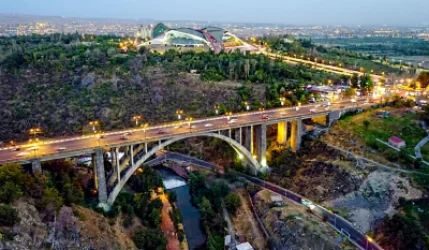
Ավինյանի խոսնակի հայտարարությունը` Կիևյան կամրջր վերանորոգման հետ կապված
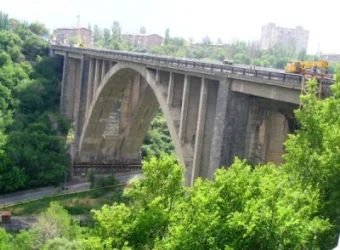
Կիևյան կամրջի նորոգումն անխուսափելի էր. քաղաքապետի խոսնակը՝ խցանումների և դժգոհությունների մասին
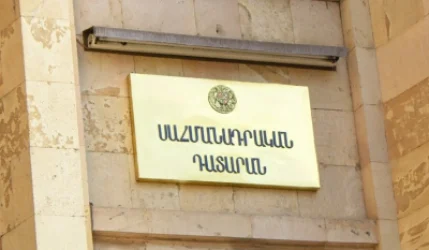
ՍԴ-ն կքննի ընտրությունների արդյունքները վիճարկող դիմումները