Due to Azerbaijani Actions, Vorotan, Shurnukh, and Bardzravan Villages Face Real Humanitarian Crisis Threat, Ombudsman Presents Details
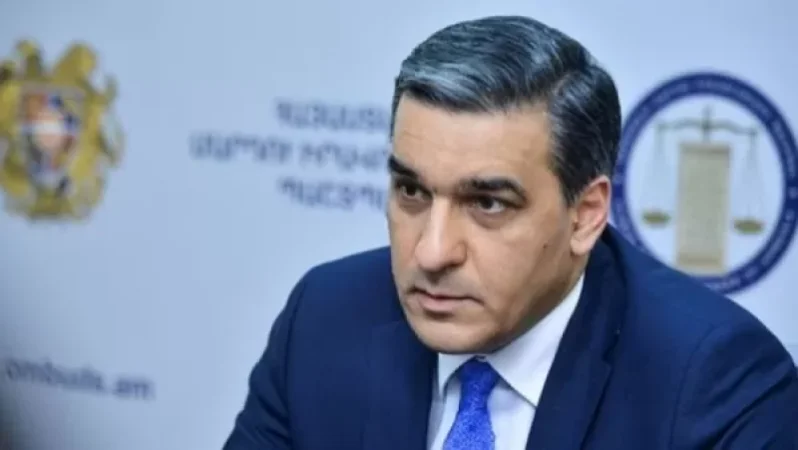
The Human Rights Defender of Armenia, Arman Tatoyan, has published the findings of urgent fact-finding activities conducted in Syunik today. Below is the publication from the Ombudsman's office:
Throughout today, the working group dispatched by the Human Rights Defender to Syunik performed urgent fact-finding activities, primarily related to the illegal Azerbaijani border and customs controls on the Goris-Kapan road. The impact of Azerbaijani illegal actions on human rights, as well as the rights situation of residents of adjacent communities in Armenia, were studied.
The gathered facts confirm that gross violations of human rights, including those of community residents (children, persons with disabilities, the elderly, etc.), have arisen in Syunik, leading to severe humanitarian issues. People are facing a dire uncertainty.
Firstly, the connection between Goris city and the villages of Vorotan, Shurnukh, Bardzravan, and other civilian settlements has been severely hampered due to road traffic restrictions imposed by Azerbaijani illegal actions. These settlements are already experiencing significant shortages of food supplies (bread and other food items) and essential goods, as well as serious limitations in access to medical assistance and services, placing people at real risk of a humanitarian crisis.
For example, today, the supply of bread to Goris community’s Vorotan, Shurnukh, and Bardzravan villages was organized with great difficulty. According to the data recorded by the Human Rights Defender's office, bread was delivered to these villages only after 4:00 PM, thanks to the additional efforts of Goris community bodies.
The solution to the problem is further complicated by the inaccessibility of an alternative road (the one passing through Khot village of Tegh community) in some areas, particularly due to weather conditions. Moreover, as autumn progresses and winter weather conditions approach, the accessibility of the road may become even more limited.
The rights of children have been a priority concern for the Human Rights Defender’s working group. In schools, it has been impossible or has encountered great difficulty in organizing education for children. The news of the road closure has caught teachers, children, and their parents off guard, leading to a state of absolute uncertainty. For instance, some teachers learned of the road closure only this morning. From Bardzravan school, 4 out of 9 teachers come from Goris, and 1 comes from Kapan. Due to the situation, teachers residing in Goris have organized classes remotely, as they could not reach school. This location is notably more problematic concerning isolation.
For the 44 students in Vorotan school, 3 require special educational conditions, in addition to 3 preschool children who also need special attention and care. Of the 19 teachers at the school, 15 commute from Goris. Because of the Azerbaijani control of the Goris-Kapan route, classes have started with delays and there is no clarity about what will happen in the near future. Even reaching the school with the Gazelle vehicle available to the school has been impossible.
At Shurnukh school, of the 16 teachers, 2 come from Goris and 1 from Kapan. Today, the teachers coming from Goris could not reach the school. The road's Azerbaijani control and the impassability of the alternative route through Khot village have restricted the freedom of movement of the civilian population in these villages.
During the visit of the representatives of the Human Rights Defender's office, it was also recorded that elderly individuals, persons with disabilities, and people with health issues live in Vorotan, Shurnukh, and Bardzravan villages. This means there is a need to guarantee the provision of operational and effective medical assistance and service, including the provision of medication and emergency treatment for people, including the elderly and children.
This exceptional humanitarian matter has become highly problematic due to the Azerbaijani control of the Goris-Kapan road. A reported urgent case relating to disability pension necessitating travel to Goris could not be facilitated. The Human Rights Defender's office has documented issues arising from Azerbaijani actions concerning citizens’ daily life organization and the resolution of vital needs. For example, today in Shurnukh, a weather-related urgent need arose to repair the roof of one of the residential houses, yet obtaining the necessary construction materials proved impossible.
The above facts indicate that the Azerbaijani so-called border and customs control announced yesterday has completely disrupted the normal life, peace, and security of people, affecting their physical and mental integrity, as well as their rights to freedom of movement. The current situation grossly infringes on the interests of children and violates the humanitarian absolute right to receive essential medical assistance.
It should be noted that Azerbaijani masked and armed personnel continue to operate along the road, which itself constitutes a violation of the right to life and a real security threat to the people. These rights are recognized internationally and guaranteed by the Constitution of Armenia. The mentioned violations grossly infringe upon the official guidelines issued by the OSCE on December 19, 2017, regarding the delimitation and demarcation of state borders, rendering any border-related process unlawful.
Facts clearly establish that the reinforcement of Azerbaijani armed or other bodies will further exacerbate human rights violations and place the civic population of Armenia in front of even greater humanitarian problems. It is evident that the deployment of Azerbaijani armed personnel and special services, along with their actions, is unlawful (lacking legal basis) and constitutes criminal offenses. Their deployments have occurred amid a blatant threat of war, and ensuring the rule of law and the protection of human rights is a fundamental requirement in such situations.
Moreover, it should be remembered that alongside all this, a policy of hatred and enmity towards Armenians continues to be propagated under Azerbaijani state sponsorship.
The Human Rights Defender's office has recorded that the border troops of the National Security Service of Armenia are deployed to ensure and support the safety of people. Residents have also mentioned this. Additional support is being provided by community bodies as well. The Human Rights Defender will continue to cooperate with them to resolve the issues of the people.
The results of these fact-finding activities in Syunik will be summarized, and reports on the actual situation and findings will be sent to international organizations, as well as to Armenian authorities and NGOs.
Նմանատիպ հոդվածներ

Ավելին Society բաժնից
ՏԵՍԱՆՅՈՒԹ․ Դեղնավուն անձրևաջրերն ողողում են Կապանի փողոցները

Ադրբեջանի և Թուրքիայի քանի՞ քաղաքացի է գույք ձեռք բերել Հայաստանում. Sputnik
Հայաստանի մասին նոր զեկույց․ ուշագրավ մանրամասներ