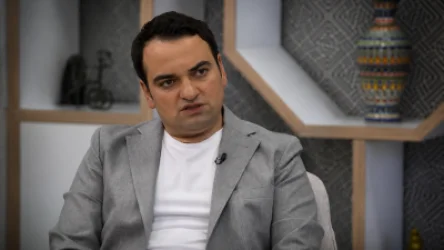
Tevan Poghosyan on Armenia's Actions One Year After the War

The war has not yet ended; it is still ongoing, and there has only been an agreement on a ceasefire. This was stated by Tevan Poghosyan, the head of the International Center for Human Development, and a political scientist, during a conversation with Tert.am, as he summarized the actions that the Armenian side should take one year after the war.
He noted that Armenia has entered a phase of significant crises and during this past year, in addition to the crises caused by the coronavirus, moral-psychological and security crises have also emerged.
“Unfortunately, during this past year, we have not been able to overcome any of them. Today, there is still a security crisis, a moral-psychological crisis, a healthcare system crisis, economic and social difficulties, and on top of that, there is an unclear geopolitical turmoil occurring in our region, which the Armenian authorities are struggling to find the right paths to lead the country,” he said.
Poghosyan pointed out that since the agreement of November 10, if the troops were supposed to remain at the same point, the Armenian authorities made significant concessions by verbally agreeing to hand over territories. He raised the question of where the Armenian armed forces were on November 9, and where they stand now, adding that Armenian prisoners of war have not been returned.
Poghosyan indicated that diplomatic, economic, and information warfare continues. “The internal political crisis has not been overcome either; society has become more divided,” he noted, and remarked that he sees gaps in the responsibilities of any citizen of the Republic of Armenia, including himself.
“Today, when you present the idea that we must be able to overcome the crises and that we should not retreat from our interests in foreign policy, in such cases, people ask, ‘What, do you want another war? Who will go fight?’ When a person says that, it means that he is no longer a citizen, as every citizen understands that it is their duty to contribute to security; citizens are the ones who defend the country. The mere emergence of this question indicates that we have not formed either a political nation or citizens with statehood,” Poghosyan stated.
Poghosyan emphasized that by studying the histories of many countries that have experienced severe defeats and capitulations, he attempts to see how they overcame these challenges and understands that one of the main issues is the formation of a national dream. “We are not discussing our national dream, that we must do everything for our future generations to restore Shushi, Hadrut, Mataghis, Talish, Shahumyan, and Karvajar, and we are truly going in that direction. In this case, the biggest gap is the lack of a unified national dream, which, if not ensured, will leave us with a mindset of defeat,” he said, noting that there was also a ceasefire agreement in 1994, but the enemy did not surrender.
According to him, one of the first steps to achieving the national dream is that people should think, “If I am not succeeding, I must step aside, and let someone else come who will succeed.”
“A defeated government must step down for the homeland, for future generations. They will also exist, they will also form in the future, but they must go so that there is no dividing line,” he added.
Նմանատիպ հոդվածներ
VIDEO: Interview with Nikol Pashinyan Tonight. What Questions Were Discussed?
Triangular Meeting of Presidents of Russia, Armenia and Azerbaijan to Take Place
At Least Two Points That Strike a Blow to the Reputation of Baku's Dictator: Vardan Voskanyan
Over 90% of Military Pilots Have Combat Experience, Says Russian Defense Ministry
Ավելին Politics բաժնից
Դատախազությունը հրապարակել է ընտրախախտումների ուշագրավ վիճակագրությունը
Սրբուհի Գալյանը՝ կենսաթոշակների բարձրացման մասին
Նա սարսափելի մարդ է, խելագար․ հուսով եմ՝ նրա հետ կոպիտ կվերաբերվեն․ Թրամփ