France Supports Armenian-Azerbaijani Border Delimitation and Demarcation, Says Ambassador
The newly appointed French ambassador to Armenia aims to enhance cooperation between the two countries across various sectors. She hopes that the Minsk Group will assist in achieving long-term stability regarding the Nagorno-Karabakh issue. France also emphasizes the importance of taking humanitarian measures and securing the return of Armenian prisoners held in Azerbaijan.
In an interview with Armenpress, Ambassador Anne Luyot discussed these topics and others.
— Madam Luyot, you have recently assumed the position of France's ambassador to Armenia. What impressions have you gathered from our country, and what priorities do you see for initial actions in Armenia?
— Thank you to Armenpress for this opportunity. It is indeed a great joy and honor for me to take up this post in Armenia, which is generally a close friend of France and particularly an ally in the region. From the very first moments of my arrival, I have noticed the high quality of bilateral relations evident in the warm welcome I have received here. I am committed to deepening Armenian-French relations even further.
— France is one of the co-chairing countries of the OSCE Minsk Group. You represent a co-chairing country here in Armenia. A year has passed since the war in Nagorno-Karabakh unleashed by Azerbaijan, yet Azerbaijan, despite commitments under the November 9 trilateral statement, refuses to fully return Armenian prisoners of war and other captured individuals. What role can France play as a co-chairing country in pressing Azerbaijan to return these detained individuals? What actions should the OSCE Minsk Group and the international community undertake in this regard, and what role can they fulfill?
— I am certainly familiar with this painful situation. Naturally, France is among the countries that want to implement humanitarian measures, reduce the tensions in the situation, and secure the release of those still held. This issue is monitored, not by me or my colleagues—the French ambassador in Azerbaijan—but by a separate ambassador who is a co-chair from France in the Minsk Group and who follows up on this matter. We are pleased that Prime Minister Nikol Pashinyan and Minister of Foreign Affairs Ararat Mirzoyan have reaffirmed the importance of the Minsk Group in the resolution of this situation. We are also glad that a meeting of the foreign ministers of the two countries took place in New York during the UN General Assembly. The Minsk Group is working with the parties to take further steps in this dialogue process. As the French ambassador to Armenia, I naturally hope that the Minsk Group will aid the parties in making progress towards the long-term stabilization of the situation.
— Madam Ambassador, in a previous interview, you mentioned that France is working with Russia and the United States to establish a lasting agreement regarding Karabakh. Can you provide details on what kind of agreement is being discussed?
— Perhaps I was not very clear earlier. I was indeed referring to the efforts of the co-chairs of the Minsk Group and the co-chairing countries to accompany the parties in the resolution process.
— Is some specific document being prepared?
— I refer to the statements of the Minsk Group co-chairs. The role of the Minsk Group in the long-term resolution is to accompany the parties. The Minsk Group itself does not draft any documents; the focus is on accompanying and supporting the parties to find solutions for the long-term stabilization of the situation in the region.
— Azerbaijan claims that the Nagorno-Karabakh conflict is in the past, concluded, while the issue of the status of Nagorno-Karabakh and the right of the people of Artsakh to self-determination remains unsolved. Thus, Armenia insists that the issue is not resolved. What is France's stance on this matter?
— I would like to reiterate that I am not the representative of France in the Minsk Group and do not have direct authority on this matter. The only thing I can say is that I am fully aware and understand the impact this situation has on the population of Armenia. I hope that the diplomatic efforts being exerted will yield results soon.
— Madam Ambassador, as you mentioned, you are not the representative of the Minsk Group and do not directly deal with this issue. However, I would like to raise one last question on this topic. To this day, incidents provoked by Azerbaijan have not allowed for the commencement of work aimed at the delimitation and demarcation of the Armenian-Azerbaijani borders; how do you assess this behavior from the Azerbaijani side, and how do you envision the resolution of this issue?
— Naturally, France believes it is important to achieve a clear delineation and demarcation of borders. We, as well as the international community, call for these processes to occur peacefully. It is evident that establishing a peaceful context will allow for faster implementation of delimitation and demarcation work. And naturally, this is my wish concerning this issue.
Նմանատիպ հոդվածներ
Ministry of Defense Denies Reports of Clashes Between Armenian and Azerbaijani Soldiers in Sevan Lake Area
Under What Conditions Can You Enter the U.S.? The Embassy Has Released a Statement
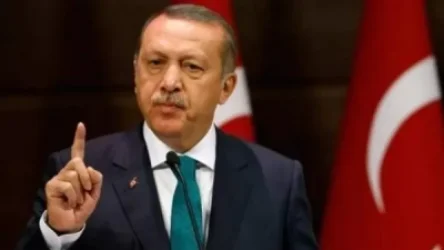
Erdogan Calls on Armenia, Russia, Iran, Azerbaijan, and Georgia to Restore Peace
There Will Be No Road Connecting to Nakhichevan, Says Samvel Babayan
Ավելին Politics բաժնից
ՏԵՍԱՆՅՈՒԹ․ Ուղերձ դիմակավորված փսլինքներին․ Փաշինյան
ՆԳՆ ՄՔԾ ստորաբաժանումները հունիսի 7-ին աշխատելու են
Իսրայելցի փիառշիկներին միացել են նաև Դիանա Գրիգորյանը և Գոռ Վարդանյանը․ Արայիկ Հարությունյան