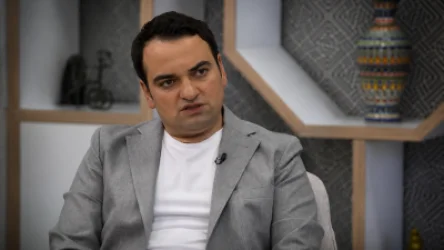
Moscow Must Elevate Its Influence and Interests in Armenia and Azerbaijan to a Higher Quality Level, Says Tarasov

Stanislav Tarasov, a Caucasus expert and editor of the Regnum agency, has commented on Turkish Foreign Minister Mevlüt Çavuşoğlu's interview with CNN Türk in which he spoke about the normalization of relations with Armenia. "In this matter, we are consulting with Azerbaijan on what steps we can take, and we have already stated that we will respond to Armenia's positive steps," he noted.
Tarasov emphasizes that both Ankara and Yerevan have declared that they have received "positive signals" for establishing peace in the region. This was also announced by Armenian Prime Minister Nikol Pashinyan at the end of August: "This fact already indicates that Turkey and Armenia may have started some closed dialogue, possibly mediated by a third party, probably Georgia. In this regard, many experts have drawn attention to the specifics of how Turkish President Recep Tayyip Erdoğan responded to journalists' questions about the normalization of relations with Armenia, stating that 'Armenia must recognize the territorial integrity of Azerbaijan and Turkey', that 'history must not be an obstacle on this path', and 'rather than unilateral accusations, there must be approaches aimed at reconciliation.'"
According to Tarasov, the sequence of actions for Yerevan, according to the Turkish side, is primarily to conclude a peace agreement with Baku and then restore relations with Ankara. The expert notes that, without commenting on Erdoğan's proposed conditions, it must be accepted that there is logic in the proposed scheme. The relations between Armenia and Azerbaijan are a separate issue, as are Armenia's relations with Turkey.
"This indicates that Turkey has stepped back from the Zurich Protocols of 2009, when it was at the threshold of normalizing relations with Armenia while bypassing Azerbaijan. At that time, the reason was the intention to normalize relations with the European Union," Tarasov points out, citing an analysis by the British magazine The Economist. According to the then Turkish Foreign Minister Ahmet Davutoğlu, "the process was canceled due to the reaction of nationalists in the three countries."
"Now the situation has changed, especially after the Second Nagorno-Karabakh War. No calls from the West are being made for Turkey to reconcile with Armenia, and there is also no observed desire from Turkey to promote Western interests in the South Caucasus," Tarasov notes, adding that Yerevan sees Russia as a mediator in restoring relations with Ankara, while Ankara sees Baku in that role.
Erdoğan and Aliyev are also advocating for the '3+3' format (Armenia-Georgia-Azerbaijan-Russia-Iran-Turkey), which, according to the expert, has a clear objective: to create structures that would solve regional problems exclusively through the efforts of regional countries, rather than with Western intervention. At the same time, Azerbaijan and Turkey are setting conditions for granting a 'corridor' from Baku to Nakhchivan to Armenia. Furthermore, Ankara believes that only advancement on the so-called 'Zangezur corridor' can facilitate dialogue with Yerevan.
This issue was addressed on October 28 in a briefing by Russian Foreign Ministry spokesperson Maria Zakharova, who stated that "the optimal format for unblocking transport communications in the South Caucasus is a trilateral working group with the participation of the Deputy Prime Ministers of Russia, Azerbaijan, and Armenia, established as a result of the trilateral summit on January 11, 2021."
The author emphasizes that the Russian side does not use the term 'Zangezur corridor,' which is not even mentioned in the November 9, 2020 agreement. In the ninth point of that document, it is stated that all economic and transport communications in the region are being restored, with Armenia ensuring the safety of transport communications between Azerbaijan's western regions and the Autonomous Republic of Nakhchivan.
Thus, only Baku and Ankara speak of the 'Zangezur corridor.' As for Yerevan, it is fundamentally not opposed to communications between Azerbaijan and Nakhchivan. However, according to the expert, Yerevan does not like the variant proposed by Baku through the Meghri road bordering Iran. There are alternatives, such as the Akstafa-Ijevan-Dilijan-Nakhchivan 'northern railway route.' This requires the repair of the Ijevan section (10 km), which would reduce the railway distance from Russia to Turkey by 350 km compared to the route proposed through the 'Zangezur corridor.' Armenia will be able to construct a railway line that would allow it to access the Black Sea ports via Nakhchivan.
The author recalls that during his visit to Yerevan at the end of September, Russian Deputy Prime Minister Alexey Overchuk stated that the issue of creating a corridor between Azerbaijan and Nakhchivan through Armenian territory is not under discussion, but rather 'the unblocking of economic and transport routes in the South Caucasus is being discussed.'
"As experts believe, in the current situation, the commercial interests of the project are more evident than geopolitical ones. At the same time, the growing activity of Turkish interests in the development of infrastructure in Azerbaijan suggests that Erdoğan is trying to closely link Baku within the framework of joint obligations. In Azerbaijan, it is assumed that strengthening ties with Ankara is a guarantee that the presence of a major regional player will mitigate geopolitical risks. Strategically, Baku is creating preconditions for more volatile and major conflicts in the region," Tarasov indicates.
The Caucasus expert adds that Moscow needs to adapt to the new reality and begin elevating its influence and interests in Armenia and Azerbaijan to a higher quality level so that the idea of unblocking economic and communication ties in the South Caucasus does not hit a dead end. "The practical implementation of communication projects is only possible if relations between Azerbaijan and Armenia are normalized first, and then Turkish-Armenian relations, or simultaneously. Doing this will not be easy, but it must be done," concludes the political scientist.
Նմանատիպ հոդվածներ
Mother See Appeals to National Assembly to Preserve Non-Working Days on January 5 and 7
Tensions Escalate in Russia-US Relations as Another 55 Russian Diplomats Set to be Expelled from the US
Several Names Circulating for the Position of Secretary of the CP Faction
Armenia Interested in Extending Russian Peacekeepers' Presence in Artsakh, Security Council Office
Ավելին Politics բաժնից
Դատախազությունը հրապարակել է ընտրախախտումների ուշագրավ վիճակագրությունը
Սրբուհի Գալյանը՝ կենսաթոշակների բարձրացման մասին
Նա սարսափելի մարդ է, խելագար․ հուսով եմ՝ նրա հետ կոպիտ կվերաբերվեն․ Թրամփ