Pashinyan Joins US-Turkey Project Hoping for Benefits: Iranian Newspaper Publication
The Armenian Revolutionary Federation has published an article by the Iranian newspaper "Kayhan" on its official Facebook page, dated September 28, discussing recent geopolitical developments in the region.
"Kayhan" is a publication closely associated with Iran's spiritual leaders and security structures, with its chief editor personally appointed by Iran's spiritual leader, Ayatollah Ali Khamenei. It can be confidently asserted that this article reflects the approaches and positions of the Iranian spiritual leader's staff and security structures regarding events unfolding along the southern borders of Armenia.
The article's author, Saadolallah Zahri, is the head of the Noor Strategic Studies Think Tank and a former close associate of Lieutenant General Qasem Soleimani, the former commander of the Islamic Revolutionary Guard Corps' overseas operations. The author's position itself suggests the importance of the ideas presented in the article.
What is currently happening at Iran's northwestern borders is the formation of an invisible alliance among the US, Turkey, Azerbaijan, Armenia, and Israel, aimed at creating a geopolitical shift against Iran and Russia with strategic implications. In this regard, several observations can be made:
1. The Armed Forces of the Republic of Azerbaijan have blocked the Goris-Kapan road in Armenia, preventing Iranian trucks from passing through Armenia, which violates the sovereignty of the Islamic Republic of Iran and the Republic of Armenia. If this continues, it will ultimately diminish Iran’s role in the region. Additionally, tensions at the northern borders could extend up to the Caspian Sea basin.
2. The removal of the 21 km border between Iran and Armenia, which will likely occur with the transfer of Armenia's Syunik region to Azerbaijan, complicates Iran's geopolitical position in the Caucasus. Given Turkey's racist tendencies and its ambitions towards the eastern and western shores of the Caspian Sea, as well as the influence of Israel in Azerbaijan and Armenia over the past three decades, which also has a military character, this notorious regime has become one of the main arms suppliers to these republics, with military purchases being tied to this regime. Considering the serious efforts of the United States to create a crisis at the borders of the Islamic Republic of Iran, ignoring geopolitical developments in Iran's northern borders poses serious challenges and threats to our country.
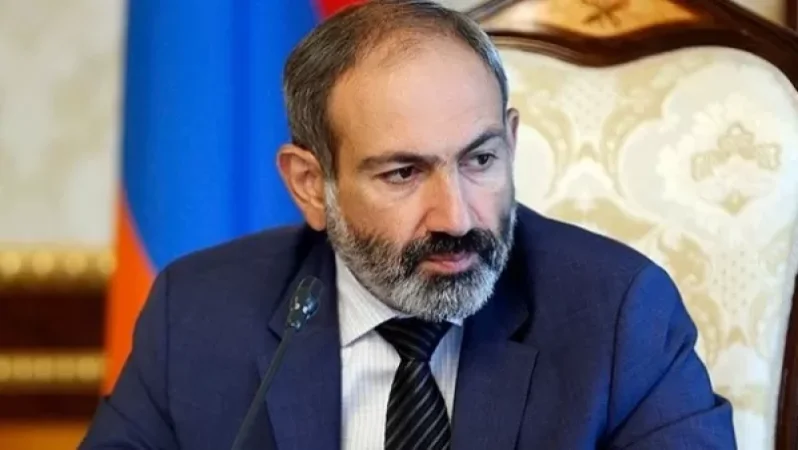
3. In this context, the Armenian government and Pashinyan personally, who is considered more pro-Western compared to the previous government, have joined the US-Turkey project hoping for political and economic benefits, while this constitutes a betrayal of the country. Pashinyan's government, clinging to promises from the US and Turkey that if the Syunik region cedes to Azerbaijan, Armenia could have peaceful and close relations with Azerbaijan and Turkey in exchange for the Nagorno-Karabakh region, has joined this treacherous plan hoping to solidify its power.
4. Many analysts argue that Erdogan and his party, after a period of Islamist and Russophile maneuvers, are gradually revealing their true face, which has no connection to Islamism or Orientalism. In this scenario, the Turkish government, as a NATO member, is indeed fulfilling its traditional mission of expanding the influence of this Euro-American alliance over both Russia and Iran's zones of influence—namely, Central Asia. Meanwhile, the US, relying on Erdogan's racist ideas and effectively exploiting him, seeks to achieve a strategic position in the west of the Caspian Sea and indeed in the South Caucasus.
5. The Turkish and Azerbaijani governments are taking great risks that could pull them into a crisis of existence. The Aliyev government faces six million Shia population members who are undoubtedly closely tied to the Shia center (Iran), while Erdogan's government contends with about 23 million Alavi Shia in Turkey. The Islamic Republic of Iran has never wished to exploit these possibilities to punish Erdogan or Aliyev.
Therefore, it is clear that a concerted effort by Armenian leadership could create significant challenges for the current alliances forming in the region.
Նմանատիպ հոդվածներ



Ավելին Politics բաժնից

ՏԵՍԱՆՅՈՒԹ. Հայկ Մամիջանյանի կտրուկ արձագանքը` Էդմոն Մարուքյանի հայտարարությանը
Էրդողանը զգուշացրել է պատմության բռնապետերի ճակատագիրը կրկնելու մասին
Քրդե՛ր, ես չեմ մոռանա, թե ինչ արեցիք. Դոնալդ Թրամփ