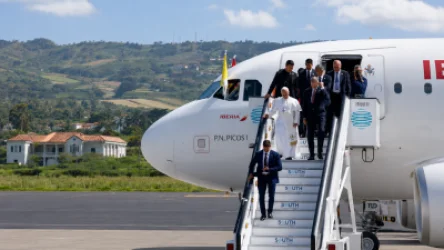
Events Start with Scandals: Russian Media Coverage of the 30th Independence Day Celebration
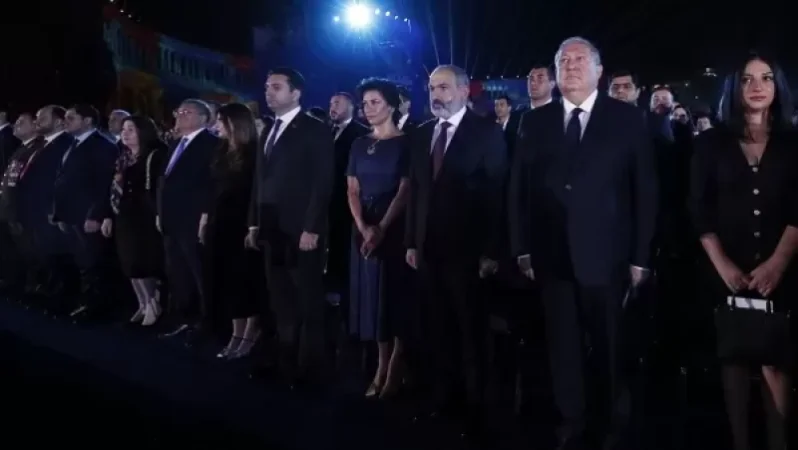
The festive events dedicated to the 30th anniversary of Armenia's independence began with scandals, reports the newspaper 'Независимая газета', noting that journalists were not allowed to cover Prime Minister Nikol Pashinyan's visit to the 'Yerablur' military pantheon alongside other officials.
'It is evident that this was due to a group of people preparing to disrupt the event, blaming the Prime Minister for their sons' deaths. Prior to this, information emerged about Pashinyan's proposal to Turkish President Recep Tayyip Erdoğan regarding the resumption of normalization talks.
Two weeks ago, Pashinyan announced the lavish celebration for the country's 30th independence anniversary and, in response to objections regarding the inappropriateness of 'special celebrations' in light of the military defeat in the 44-day war, stated that the event would be held in memory of the victims. After that, he traveled to Tbilisi, where, apparently, he conveyed a proposal to Erdoğan through his Georgian counterpart Irakli Garibashvili.
During a press conference, the Turkish leader spoke about the Armenian Prime Minister's desire and warned: 'You need to take appropriate steps. We are not closed to a meeting, but goodwill is necessary. If this meeting takes place, Turkey is ready to establish diplomatic relations.'
Erdoğan expressed hope that Yerevan and Ankara's ally Baku would overcome difficulties by opening the so-called 'Zangezur Corridor' that would connect Azerbaijan with its Nakhchivan Autonomous Republic.
However, Turkish media had reported as early as August that Turkey was prepared to normalize relations with Armenia if Yerevan renounced demands related to the Genocide issue, 'Turkish territories that it calls Western Armenia', completely vacates Nagorno-Karabakh, and ensures a connection between Baku and Nakhchivan.
This suggests that behind-the-scenes contacts between Yerevan and Ankara regarding the restoration of diplomatic relations may have begun at least this summer. It is worth noting that the last attempts to normalize Armenian-Turkish relations took place in 2008-2009, when Presidents Serzh Sargsyan and Abdullah Gül met during football matches involving their national teams. The 'football diplomacy' process peaked with the signing of the Zurich Protocols on October 10, 2010, bilateral agreements that envisaged the initiation of normalization without preconditions.
Despite the interest of the United States, Russia, and France in the implementation of the agreements, progress beyond the signing was not achieved. Ankara succumbed to severe pressure from Baku, which reminded them of the fraternal debt regarding the Nagorno-Karabakh issue, and Turkey, reliant on Azerbaijan for energy supplies, regressed. Within Turkish nationalist circles, the realization of agreements was indeed viewed as a betrayal of Azerbaijan.
Meanwhile, part of the Armenian society had concerns that normalizing relations with Turkey could pose a threat to Armenia, particularly with the fact that the opening of borders between the economically troubled Armenia with 3 million people and Turkey with 80 million people could lead to effective absorption by one state of the other.
Today, Pashinyan's initiative is again unacceptable for part of the Armenian population. The reasons are no longer just fears but also the situation created as a result of the 44-day war. In that last war, it is known that Turkey's unprecedented military support for Azerbaijan played a nearly fatal role for Armenians. In such circumstances, it is inappropriate to establish ties with Ankara through mediators.
The analytical group 'Alternative Projects' has published an article stating that there is a norm in the world to avoid actions that may lead to societal division; however, Armenian authorities do not feel obligated to adhere to it. According to the authors of the article, these days, authorities can only address Armenian society by apologizing for the fact that the interstate highway (referring to the Goris-Kapan road) is controlled by Azerbaijani forces and Armenian citizens' security is assured by Russian peacekeepers, but even better than apologizing, they should announce their resignation.
The analytical group also sharply criticized the very idea of a gala concert dedicated to the Independence Day, deeming it morally objectionable and harmful to the state's reputation.
Observers also note that Pashinyan's appeal to Erdoğan followed Azerbaijani-Turkish joint military exercises in the Nakhchivan Autonomous Republic. The exercise, named 'Indestructible Brotherhood - 2021', involved motorized infantry divisions, infantry, special forces, and other troop types. This display of Azerbaijani-Turkish alliance strength, perhaps, suggests not only intimidation of Armenia but also a response to actions by Iran, which has moved large troops and aviation to its borders with Azerbaijan. This, in turn, is likely connected to the recent arrests of Iranian truck drivers on the aforementioned Goris-Kapan road.
It seems more like a response to the recent Azerbaijani-Turkish exercises in the Caspian Sea, since the presence of a non-Caspian state military in the water basin violates the convention of the five Caspian littoral states.
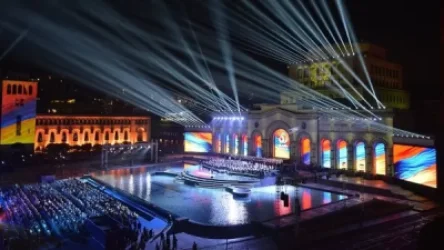
As this article was being prepared for publication, it was reported that Armenian officials canceled the evening's lavish festivities and decided to be limited to a classical music concert,” concludes the author Yuri Roks.
Նմանատիպ հոդվածներ


Ավելին Society բաժնից
Զինծառայողներ են զոհվել․ Հնդկաստանում ռազմական ինքնաթիռ է կործանվել
Արտակարգ դեպք․ Վեդիում 14–ամյա տղան հրազենային վնասվածքով տեղափոխվել է հիվանդանոց

ԱՄՆ-ն արգելել է օտարերկրացիներին օգտագործել «Անթրոպիկ» ընկերության արհեստական բանականության ամենաառաջատար մոդելները