Samvel Karapetyan on Relations with Authorities, Bail for Kocharian's Release, and Other Issues
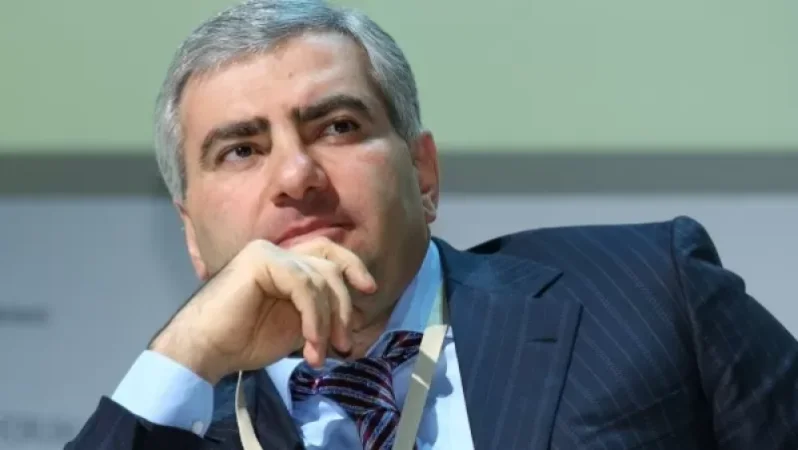
Sputnik Armenia has conducted an interview with Samvel Karapetyan, the owner of the Tashir Group of Companies.
The Tashir company implements numerous projects in various sectors in Armenia and generally plays an active role in the country's economic life. No matter how much we talk about separating business from politics, it is clear that relationships with the political leadership of the country are of significant importance. In this sense, how are your relations with the Armenian authorities?
— They are normal, working relations.
— Do you communicate often? What level are your communications?
— They are at a high level, but not frequent.
— You are one of those individuals who provided bail for the release of Armenia's second president, Robert Kocharian, from custody in 2020. What was the purpose of that move?
— When we say Robert Kocharian, we must understand who we are talking about. Robert Kocharian was the first president of the Republic of Artsakh, the second president of the Republic of Armenia, and most importantly, one of the architects of Armenia's victory. Therefore, when such an opportunity arose, I definitely had to participate. In general, I have never hidden my good relations with Robert Kocharian and Serzh Sargsyan. That’s why I had no issues like that.
— What was the response from the ruling power regarding your action?
— There was no reaction.
— Has anything changed in your relations with the authorities since then?
— Nothing has changed.
— Many businessmen aspire to engage in politics. What do you think is the reason?
— It’s a matter of ambition.
— Are you planning to enter politics?
— Under no circumstances. I do not like it. I am focused on my business.
— Since the 44-day war, Armenia has been going through a rather difficult period in terms of economy, security, and internal solidarity. Alongside the economic component, do you have your own formula or recipe for getting out of this situation?
— To have such a recipe, one must have a lot of information because we find ourselves in a complex situation today, and the information is very little for us to come up with a recipe immediately. I want us to understand that the main issue is that we must seriously engage with Armenia's economy. The last war showed that it was essentially a fight between the rich and the poor because the Azerbaijanis were getting wealthier and could afford to buy modern weaponry, while we were going with whatever we could, which is why we couldn’t fight as equals. Today, it is very important that we focus on our country’s economy.
— How would you characterize the current state of Armenia’s economy?
— Since Armenia’s economy consists of very small, diverse enterprises, I can say that the economy is stable, but it is very insufficient for leapfrog development. New methods, new approaches, and serious work are needed.
— In this situation, how do you envision economic development, as there are very few opportunities for investments from abroad?
— First and foremost, we need to unite Armenian businessmen around the world around Armenia. If we can do that, then you will have very serious expectations; otherwise, you will have what we already have.
— How much do you intend to expand your energy assets in Armenia, including regarding the installation of solar and wind farms?
— That depends on the energy balance. It’s not that we want to build solar power plants and just go ahead and build them. There is a regulatory commission that approves the energy balance, which takes into account how many plants should be there, how many should be wind, and how many natural gas-powered. It does not depend on us, but if there is such an opportunity, we would gladly participate. I hope the economy will gradually develop, and there will definitely be a need for such plants.
— How is the work with the regulatory commission progressing?
— There are normal working relations.
— Today, the average citizen is concerned about the electricity tariff, and often opinions are voiced that Armenia's electric networks belong to Armenians, yet we sometimes face tariff increases. What can we expect regarding tariff changes in the near future?
— The tariff includes Armenia’s electric networks. The tariff depends on two components: electricity generation and consumption. We are responsible for the latter. I can say regarding our part that the Armenian electric networks will not raise the tariff until 2047, but that does not mean that the tariff will not increase. It depends more on the producers than on us.
— In 2016, a production facility for meters and distribution cabinets was opened in Yerevan. At the time of launch, it was announced that it would employ 500 people. How close have you come to that number?
— Currently, about 400 people work at the plant, but the number of installers has reached approximately 6,000. The factory is gradually developing its capacities, and we are investing in new production lines. I hope the number will be much higher.
— Is there a possibility to expand production lines and manufacture components locally for export?
— We have developed four new products that have not been produced in Armenia until now. We opened a modern cable factory a few months ago in Tashir. It currently operates three shifts. Therefore, I hope other factories will also achieve similar success. Although there is a high demand for exporting, we still cannot meet the entire demand in Armenia. By developing the capacities of the factory, we will undoubtedly have very serious export volumes.
— What new production facilities are you planning to open in Armenia?
— Our process is always continuous. We will soon open a very modern shoe manufacturing facility. The production of trial samples has already begun, and within a month, the factory will start operating at full capacity.
— What hinders business in Armenia?
— Lack of funds. If we have money and desire, there are no problems at all, and there never have been.
— Is the separation of business and state functioning?
— It is not always the case that business or the businessman has that much connection with the state. People should be able to do their work. Very few businesses are dependent on the state. Moreover, regarding Armenian businesses, one can say that a very small percentage is dependent on the state. There cannot be a government or leadership in Armenia that would be against new investments or the development of new establishments. Therefore, that viewpoint is somewhat overstated.
— There is a lot of talk today about the unblocking of communications in the region. How beneficial is this for Armenia, and what will it give us?
— I lack information, but it sounds very good. Unblocking communications is truly necessary for Armenia. We cannot live in blockade again. However, we must understand at what cost. What are we paying for it? If we get that information, we can then assess whether we need it or not. One thing is clear: no country can develop while under blockade.
— How much is Armenia currently utilizing the potential of the Diaspora?
— The possibilities of the Diaspora are somewhat overestimated; the work with the Diaspora is not well organized and has always been that way. Whatever is being done is being done. All governments have tried to organize some meetings and do something good. In that regard, Serzh Sargsyan took more practical steps. Diaspora businessmen are somewhat complicated individuals. We need to restore their emotional connection to Armenia, which is currently being tried. If that emotional connection does not exist, then whatever the Armenian authorities try to do, they will find easier, more profitable markets and make their investments there.
— Is there a need to change the model of Armenia’s economy today?
— There is always a need to change, but is there an opportunity to do so? Is there money for it? The main question for changing and developing the economy is the availability of money. If there is, then everything is possible. To find money, Armenia must become a very good partner for the world’s major states and corporations. In that regard, serious work must be done. If we cannot show that we are a reliable partner both politically and economically, then we will have only 5-6 percent growth per year, and we will be satisfied with that, while Armenia needs 20+ percent growth so that in at least five years we have a qualitatively different country. And this is always possible. If a company can ensure a 20-50 percent growth, why can’t it be achieved with such serious state resources?
Նմանատիպ հոդվածներ


Ավելին Society բաժնից
ԱՄՆ-ն արգելել է օտարերկրացիներին օգտագործել «Անթրոպիկ» ընկերության արհեստական բանականության ամենաառաջատար մոդելները
Հռոմի պապի ինքնաթիռը արտակարգ վայրէջք է կատարել
Ողբերգական ավտովթար․ մեքենան շրջվել է. կա զոհ