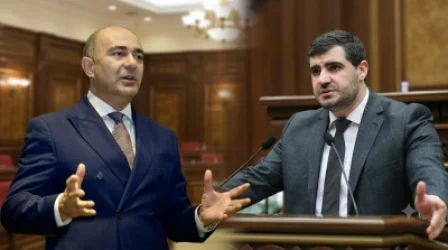
Azerbaijan Prepares to Strangle Us with Roads, Says Armen Ashotyan
While the treacherous authorities have thwarted our proposal to establish a permanent commission on the issue of Artsakh in the National Assembly on the most absurd grounds, Azerbaijan is applying infrastructural pressure on Armenian states alongside political, diplomatic, and military coercion, wrapping its communication tendrils around Artsakh and Syunik. This was stated by Armen Ashotyan, Vice President of the Republican Party of Armenia, on his Facebook page.
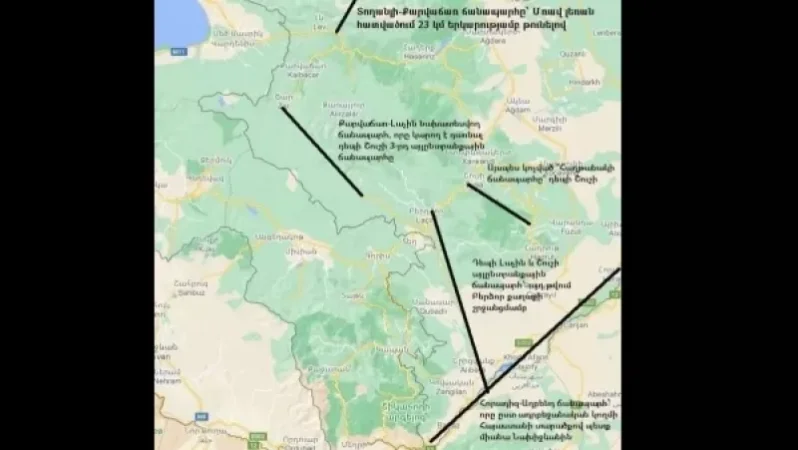
“Several statements made by Azerbaijan today regarding the construction of a major new road in the occupied territories of Artsakh and its surroundings testify to this. From the attached map (the map is not professional, it is schematic, prepared to give you an idea of what we are talking about), you can conclude how Azerbaijan intends to suffocate Artsakh. Among the constructed roads, the following infrastructures are particularly noteworthy:
- Horadiz-Aghbend: This road, approximately 124 km long, is being constructed in the south of the occupied Artsakh, and is intended to connect with Armenia’s southern part (Megerli) to unite with Nakhchivan.
- Togh-Tavush-Karvachar: This 83 km long road aims to provide direct access from Azerbaijan’s northwestern region to Karvachar, including the construction of a 23 km long tunnel in the area of Mrav Mountain.
- Karvachar-Lachin: This road, 73 km long, will provide a route around the remaining part of Artsakh, also from the west, paving yet another road to Lachin and Shushi.
- Khudafarin-Sanasar-Lachin: A 70 km long road that serves as another route to Lachin.
- The so-called “Victory Road”: A road to Shushi, approximately 102 km long, which is currently in operational use by Azerbaijan.
In addition to the aforementioned routes, Azerbaijan has also announced the construction of the Akhmedbayli-Fizuli-Shushi (82 km), Fizuli-Hadrut (13 km), Shukurbeyli-Jabrayil-Hadrut (43 km), Barda-Aghdam (45 km), Lachin “new corridor” (23 km), and Talish-Tapkarakoyunlu roads.
This situation presents several serious challenges for us:
- Communication lines within Artsakh are severed, and the post-war infrastructure of the remaining roads in Artsakh is such that significant obstacles must be overcome to reach one point from another. A considerable part of the previously existing roads is no longer under our control, and the remaining parts can only be accessed with the regulatory role of Russian peacekeepers.
- Azerbaijan's persistent and aggressive steps to have its corridor in Syunik.
- This map clearly shows that the main directions of Azerbaijani projects go towards Shushi and Lachin, which means that Azerbaijan is maximizing its fortification of the Lachin corridor, the lifeline connecting Armenia with Artsakh, and the strategically important Shushi.
- There is a dangerous prospect that all of this will later be linked with the Nakhchivan-Sisian-Goris-Lachin highway that I raised back in March. Armenia will not benefit from regional “unblocking,” but rather will merely become an area serving Turkish-Azerbaijani infrastructural projects.
It is noteworthy that the main new Azerbaijani roads are intended to be completed by Baku by 2024. It is clear that Azerbaijan is preparing to be structurally ready by the expiration of the Russian peacekeepers’ mandate and to place both Russia and Armenia before a fait accompli.
Without a change of power in Armenia, there will be no profound awareness of these issues. The change of power did not occur through elections, and we are currently wasting time as a nation, while Azerbaijan is arming itself with infrastructure and preparing to subject Artsakh and Armenia to communication expansion,” wrote Ashotyan.
Նմանատիպ հոդվածներ
What Operations Are Russian Soldiers Conducting at the Tavush Border? The Governor Provides Details

My Body Is Only My Body: Yerevan State University Lecturer Sends Open Letter to Health Minister
Arshak Karapetyan Orders Immediate Fire to Eliminate Anyone Attempting to Cross Armenia's Borders
France and Greece Refuse to Send Firefighter Planes to Turkey: Cavusoglu
Ավելին Politics բաժնից
Սերժ Սարսգսյանը խոսել է հետընտրական զարգացումների տարբերակների մասին
Պուտինը ստորագրեց աղմկահարույց օրենքը
Եթե բացատրեն, որ մանդատները չվերցնելու դեպքում Նիկոլը գնու՞մ է, հարց չկա. Շարմազանով