Forest Fires Contribute to the Spread of Coronavirus: Medportal
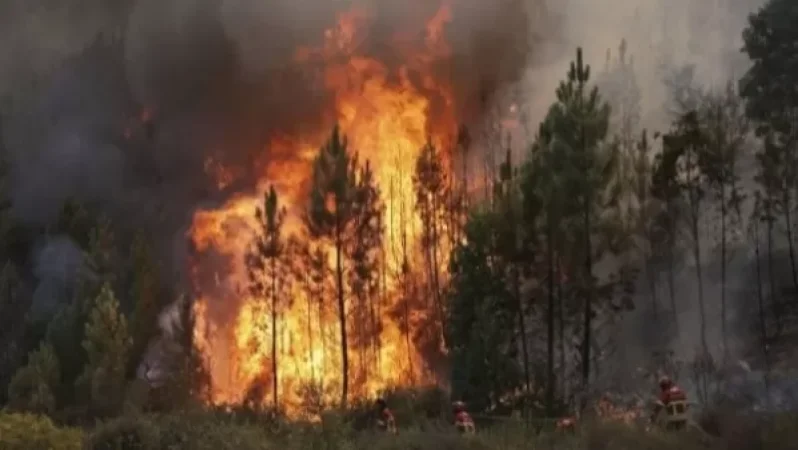
Air pollution from small particles caused by forest fires is contributing to an increase in the number of coronavirus infections in nearby cities. This is reported in a study published in the Journal of Exposure Science and Environment Epidemiology.
According to Medportal.ru, forest fires are a source of air pollution in nearby cities, with particles measuring up to 2.5 micrometers in diameter (PM2.5). PM2.5 and PM10 particles are among the primary reasons for the harmful effects of polluted air on health. High concentrations of these particles in the air can increase people's susceptibility to viruses, for instance, by exacerbating inflammation in the respiratory tract. Additionally, these particles may facilitate the spread of bacteria and viruses, including the SARS-CoV-2 coronavirus, in aerosols.
To determine how forest fires affect the risk of coronavirus infection, American scientists evaluated the frequency of positive PCR tests for the pathogen in a major healthcare network servicing the city of Reno, Nevada. The study covered the period from August to October 2020, during which the city suffered from smoke from forest fires for 43 days. Residents were exposed to smoke more than those in neighboring areas (due to the location in the smoke valley, where smoke lingers longer because of natural barriers).
The study showed that the impact of PM2.5 particles is associated with a 17.7% increase in coronavirus infection cases compared to the level that scientists would have predicted in the absence of fires.
Նմանատիպ հոդվածներ

Did the Enemy's Armed Forces Make Advances? Ministry of Defense Comments
Three Wounded, Two Contractual and One Conscription: Ministry of Defense Reports New Details on Injured Soldiers

List of Candidates Who Declined Mandates: Kocharian Submits Withdrawal

Russia Still Struggling to Overcome Coronavirus: Peskov Explains Why
Ավելին Society բաժնից
Ինչ իրավիճակ է փլուզումից հետո. նոր մանրամասներ
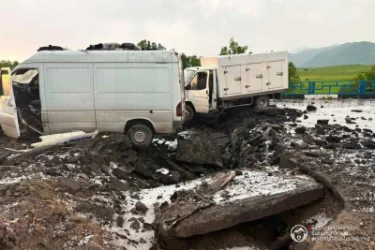
Կամրջի փլուզումից հետո մեկնարկել են վերականգնման աշխատանքները
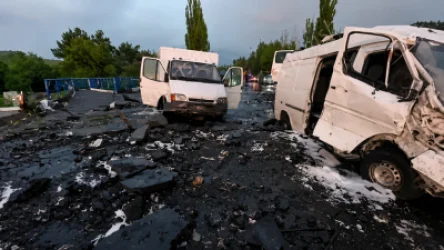
«Գայի պոստի» մոտ գտնվող կամուրջը «պայթել» է