Is 10 Days Too Much? What Solutions Can Be Found? The Government's Decision Has Impacted the Influx of Iranian Tourists
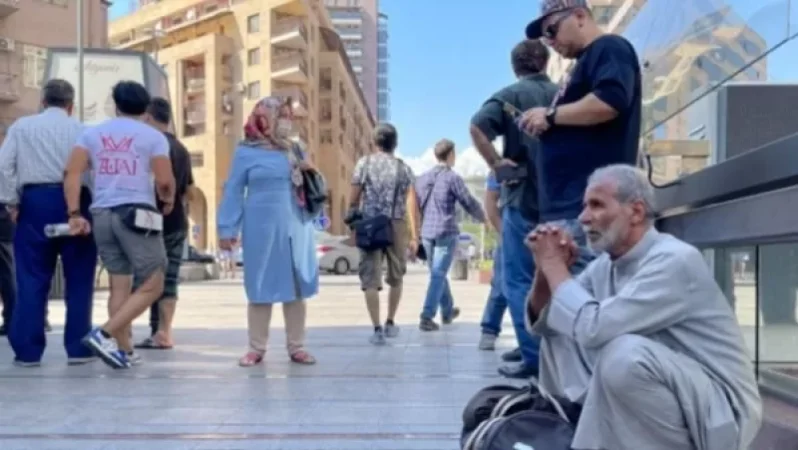
The Armenian government has decided to impose restrictions on foreign citizens intending to receive a coronavirus vaccine in the country. The restrictions came into effect on July 15, but they have already negatively affected the flow of Iranian tourists, reports Sputnik Armenia.
Just a week ago, flights from Tehran to Yerevan were arriving at full capacity, while eager travelers were lining up for tickets; now, the situation is starkly different, with flights operating at just 70-80% capacity.
Representatives from the tourism and aviation sectors are calling on the government, particularly the Ministry of Health, to reconsider the decision regarding the duration of foreign citizens' stay in Armenia.
What Happened?
Armenia began its vaccination process in April 2021. In mid-June, when the government allowed foreigners to get vaccinated for free, Iranians began to flock to Armenia. It was no coincidence that they chose Armenia; in their country, vaccination primarily targets high-risk elderly groups, while others are forced to wait for months. In Armenia, they can receive a free vaccine within a few hours or days.
Moreover, specialists forecast a fifth wave of coronavirus infection beginning in Iran this autumn. Acting Minister of Economy Vahan Kerobyan even stated that through “Covid tourists,” a projected 319% increase in tourism could be achieved.
On July 15, the new restrictions came into effect. Now, foreign citizens and stateless individuals can only get vaccinated against coronavirus if they stay in Armenia for at least 10 days.
Acting Minister of Health Anahit Avanesyan stated that the decision was made to manage the quantity of vaccines available and supplied. She did not exclude the possibility of reevaluating these conditions when new supplies arrive.
What's Not Right?
Everyone understands that this decision was made out of necessity, but representatives from the aviation and tourism sectors suggest finding an alternative and revising the required stay duration for foreigners in Armenia, as these changes have already negatively impacted tourist flow.
The CEO of Armenia Airways, Arlen Davudyan-Zarnayin, told Sputnik Armenia that before July 15, their planes were making daily flights from Tehran to Yerevan and even twice to Tabriz. The planes were flying at full capacity, and management had already decided to increase flights to other Iranian cities. However, the situation drastically changed after July 15, with the number of passengers barely reaching 85 instead of 126.
“It is no longer profitable to open new routes. It has only been a few days, but you can see how the number of people wanting to come to Armenia has decreased,” he stated.
The airline's leader considers the government’s decision illogical, as the restrictions frighten people. He added that throughout this time, mainly affluent individuals and representatives of the middle class have come to Armenia. Many Iranians cannot afford to travel due to the devaluation of their national currency. They are primarily interested in vaccination, but few want to stay in Armenia for more than 10 days. With only 20 vacation days a year, they would have to use their entire leave to get two vaccine doses.
Iranians usually spend at least 5 days in Armenia, spending between $700 and $1,000 on average (including airfare, PCR testing, food, and accommodation). By the way, the price for a return ticket starts from 123,000 AMD (about $300).
Davudyan-Zarnayin calls for a review of the timeframe if the goal is genuinely to achieve any results and develop the tourism sector.
Regarding bus transfers, the situation is even worse. The airline's head, who also organizes transport from Tehran to Yerevan, mentioned that bus services just began a few days ago. A one-way ticket costs 20,000 AMD, but many fear to travel by land due to unstable conditions in Syunik province.
Georg Khachatryan, Deputy CEO of Armenia Airlines, also stated in an interview with a Sputnik Armenia correspondent that he cannot specifically say how the restrictions have affected passenger flow.
“Our airline operates two flights per week. We can talk about dynamics in two or three weeks,” Khachatryan said.
What Does the Tourism Committee Say?
Gaiane Ayvazyan, a public relations and digital marketing expert at the Ministry of Economy's Tourism Committee, stated that during the first half of the year, the highest number of tourists from Iran arrived in June of this year.
The minimum number of tourists was in January (1,832 people) and February (2,979 people). By March, the number of tourists had doubled. A total of 4,953 people came to Armenia for Nowruz.
She noted that there were 3,874 guests from Iran in April, 4,963 in May, and 8,597 in June.
The president of the Tourism Federation, Mekhak Apresyan, considers the decision to vaccinate foreigners for free a humanitarian initiative of socio-cultural significance. At the same time, he finds the established 10-day period illogical.
“It's a different question if it serves the interests of the population, and the vaccines are genuinely running out,” Apresyan noted.
According to him, every tourist spends more money in the country than the state pays for vaccine procurement, and this should be taken into account. He suggested that if necessary, vaccinations for foreigners could be made paid. Many would be more than happy to get vaccinated easily and without waiting.
As of July 18, 131,080 vaccinations have been administered in Armenia, of which 94,560 are the first dose, and 36,550 are the second.
Նմանատիպ հոդվածներ
Did the Enemy's Armed Forces Make Advances? Ministry of Defense Comments

List of Candidates Who Declined Mandates: Kocharian Submits Withdrawal
Three Wounded, Two Contractual and One Conscription: Ministry of Defense Reports New Details on Injured Soldiers
A Fine of 100,000 Drams to be Imposed for Taking Photos at the Border
Ավելին Society բաժնից
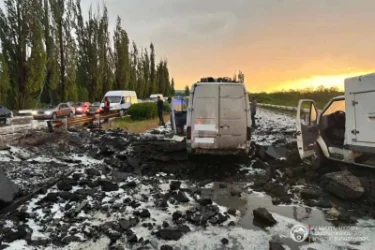
Ինչ իրավիճակ է փլուզումից հետո. նոր մանրամասներ
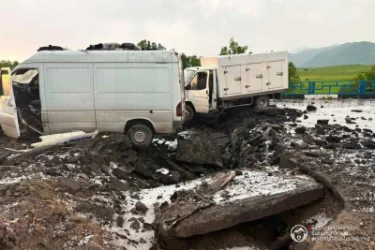
Կամրջի փլուզումից հետո մեկնարկել են վերականգնման աշխատանքները
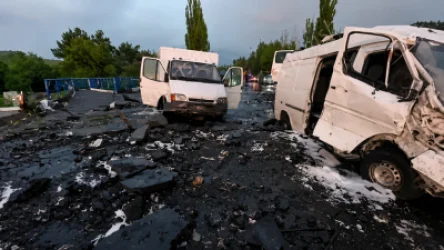
«Գայի պոստի» մոտ գտնվող կամուրջը «պայթել» է