Where are the waters of Lake Arpi and the Akhuryan River flowing? The Karnut Reservoir has dried up
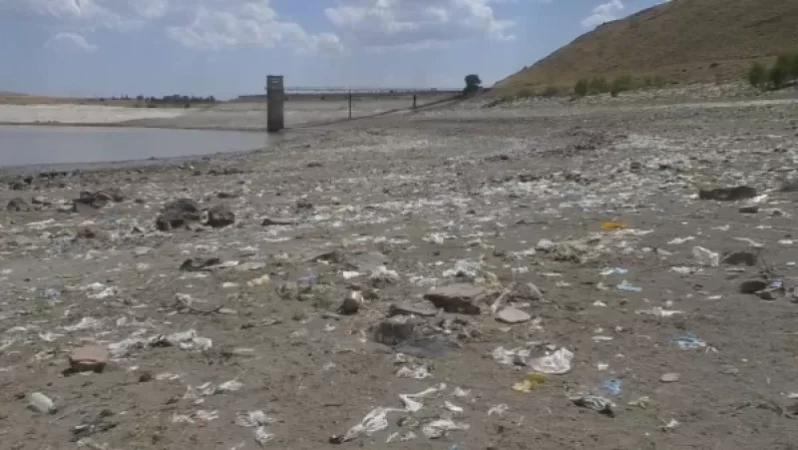
The Karnut Reservoir is drying up day by day. With a potential capacity of up to 24 million cubic meters of water, the reservoir currently holds less than the dead volume, estimated at only about 2 million cubic meters. The remaining area of the reservoir resembles a desert, where one can easily walk across the cracked earth that once held a significant amount of water.
This was reported by shantnews.am. The concrete water pipeline of Karnut is completely dry, with not a single drop of water along its entire length. Meanwhile, during this season, it was mandatory for water from Lake Arpi and the Akhuryan River to flow through the Karnut pipeline.
Water used to take one, two, or at best one week to empty. Since June, farmers using lands supplied by the Karnut Reservoir have been complaining about the lack of water in the reservoir. However, there is a huge volume of water flowing daily from Lake Arpi into the Akhuryan River, yet the Karnut Reservoir remains empty.
In the village of Benjamin, water has been found only for household needs. Water has been supplied from the Mantash Reservoir to the damaged crops. Farmers are no longer interested in whether there will be sufficient irrigation water; they have lost their harvest and their livelihood for the year in just one month. They planted and sowed, but due to the lack of irrigation water, they have suffered significant losses.
The water flowing from Mantash is temporary and not inexhaustible; farmers say that in a couple of days, they won’t have that either. Without irrigation, they have been forced to harvest crops that have not seen normal growth prematurely. One of the farms cultivated spring barley on rented lands in Benjamin, and the yield is already unfit for use. Dozens of other farms have also harvested their crops early.
Most of the 7,000 hectares of land in the villages have not received irrigation water, with damages pertaining to over 3,000 hectares of cropland. In addition to the lack of water, the loss of the harvest has been exacerbated by drought conditions and strong winds.
Նմանատիպ հոդվածներ

Grigori Khachaturov Dismissed from Commander of the 3rd Army Corps

Azerbaijan Provokes Gunfire in the Border Area of Verin Shorja Village, Gegharkunik Province

Azerbaijani Authorities Begin New Acts of Terror Against the Population of Artsakh, Says Tatoyan

Intense Shooting Begins at 18:40 in the Eraskh Section of the Armenian-Azerbaijani Border
Ավելին Society բաժնից

Նոր պահանջներ՝ բենզալցակայանների համար․ ՆԳՆ-ի կոշտ նախազգուշացումը

Հայաստանի և Թուրքիայի միջև գտնվող «Մարգարա» անցակետը կբացվի Լիբանան մարդասիրական օգնություն ուղարկելու համար

Կառավարությունը 304 միլիոն դրամ կհատկացնի ընտանեկան բռնություն գործադրած անձանց էլեկտրոնային հսկողության համար