It Is Important to Understand the Implications of the Azerbaijani Troops' Incursion
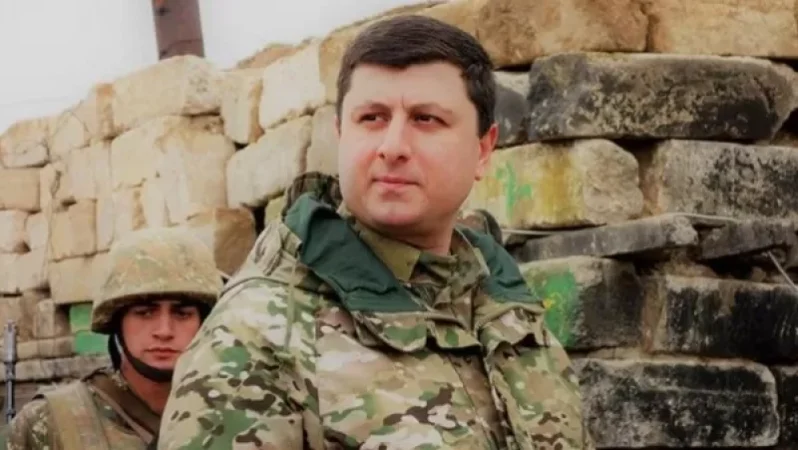
The Secretary of the Security Council of Armenia responded to the remarks made by the Secretary General of the CSTO regarding the incident that occurred on May 12 in the Sotk-Khoznavar area, describing it as a border incident rather than aggression or an attack, which is why the CSTO's resources were not employed. This was stated by Tigran Abrahamyan, head of the 'Henaket' analytical center, on his Facebook page.
'The Security Council Secretary expressed confidence that the current situation cannot be classified merely as an incident, given that Azerbaijan's military personnel have not left the sovereign territory of Armenia for an extended period. According to him, considering that the actions of the Azerbaijani side are a clear attempt to seize part of the Armenian sovereign territory, Armen Grigoryan once again emphasized that it is necessary to demonstrate restraint in the formulations made at the level of the CSTO Secretariat to avoid undermining constructive efforts aimed at resolving the situation.'
It is evident that the statement by the CSTO Secretary General did not reflect the real situation created after the Azerbaijani incursion on May 12. On the other hand, it is crucial to understand the reasons behind the Azerbaijani troops' incursion and what the Armenian side failed to do and how relations with allies should be managed in such circumstances.
Essentially, the CSTO indicated that if Armenia does not wish to defend its territory or fight, it does not feel the need to intervene. The Armenian authorities counter, asserting that irrespective of what we think or do, they need to comply with the provisions outlined in the organization's charter.
I would like to remind you that while discussing the Azerbaijani incursion of November 12, it is important to consider that the Armenian border was effectively unguarded; seven months post-conflict, the government had not conducted even minimal measures aimed at the protection and safeguarding of that section of the border, which has become a cause for another crisis.
Azerbaijan seeks to exploit the seizure of the Armenian border to apply pressure on Yerevan during negotiations and to resolve the situation within the confines of its perspective. Currently, the withdrawal of Azerbaijani troops from the Gegharkunik and Syunik regions comes at a high cost, and in the event of their potential withdrawal in the future, it remains to be seen what conditions must be met and under what circumstances Azerbaijan is willing to pull its forces out of Armenian territory.
This topic is extensive and can be discussed from various angles; however, I have deep doubts that Armenia's firm response aims to maintain control over events or to remain in a constructive realm, but rather that it paves the way for significant shifts in foreign policy, including vectoral changes. Related signals had been noted previously, but in the post-election period, this process may accelerate rapidly, with all possible ramifications,' he noted.
Նմանատիպ հոդվածներ
Call to Remove Phone Numbers, Addresses, and Other Personal Data from Social Media Pages: Ombudsman to Artsakh Residents
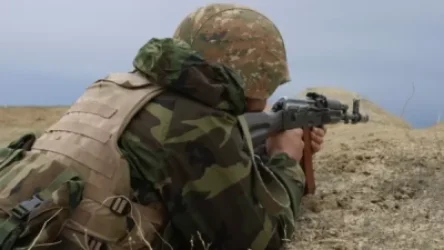
Azerbaijani Armed Forces Open Fire on Armenian Positions at Yeraskh Section of the Border

PHOTOS: Welcome the New Patrol Officers

Patrol Police Officers Have Started Their Duty in Yerevan: Rustam Badasyan
Ավելին Society բաժնից
Սուրեն Պապիկյանը հանդես է եկել հայտարարությամբ

Նոր մանրամասներ 12-ամյա աշակերտին քաղցրավենիքի միջոցով թմրանյութ տալու դեպքից
Ռուսաստանում աղմկահարույց օրինագիծը հավանության է արժանացել