Those Returned from War Attempted Suicide: Prosecutor Offers Assistance
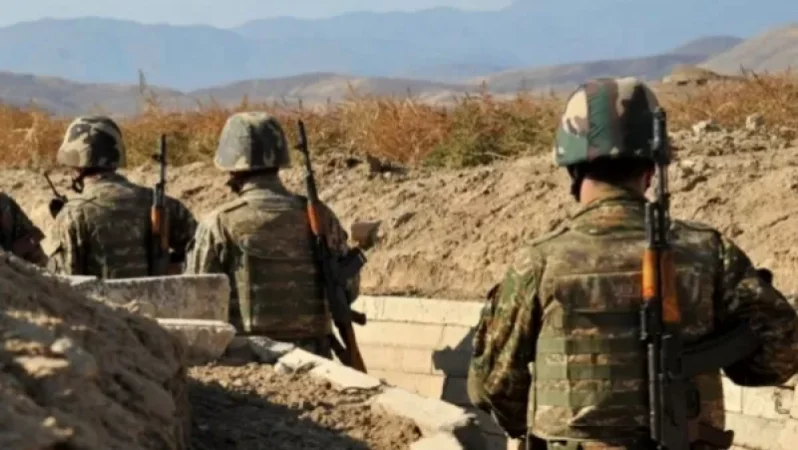
The Chief Prosecutor has raised the necessity of expanding psychological and psychiatric primary assistance for the participants of the war and the relatives of the fallen or missing servicemen.
Within the framework of the Prosecutor's Office's functioning, it has been revealed that several recorded cases of suicide and attempted suicide in recent times are directly related to the psychological issues that have arisen as a result of the war unleashed against the Republic of Armenia and the Republic of Artsakh in 2020.
Specifically, regarding a suicide case that occurred on May 3, 2021, in a building on Halabyan Street in Yerevan, it was found that an individual born in 1975 committed suicide by jumping from a balcony. He had participated in the 44-day war as a sniper on a voluntary basis in the "Ajapnyak" detachment, and had sustained injuries to his spine and legs while in Hadrut and Martakert. It was revealed that he had witnessed numerous deaths in the battlefield, lost friends, and was in a depressed mental state after returning from the war, continually consuming alcohol and attempting suicide in March and April 2021.
Another suicide case took place on May 10, 2021, when an individual jumped from a window of an apartment building on Babajanyan Street in Yerevan. The investigation revealed that the son of the deceased, a conscript soldier, had participated in the 44-day war, being in the hottest spots—Shushi, Lisagor, and Karintak. During the war, having no information about his son for some time and being aware of the death of his friends, the father visited various morgues trying to find his son’s body, resulting in a severely harmed mental state.
Additionally, on April 26, 2021, a resident on Isakov Street in Artashat called the Emergency Situations Ministry, stating that he was at the "Kyiv" bridge in Yerevan, wishing to end his life. During the investigation into this incident, he explained that he had participated in the April 2016 and the 2020 Artsakh war operations on a voluntary basis. After the war, he could not sleep, saw the bodies of fallen soldiers in his dreams, constantly felt fear, and expressed a lack of desire to live.
This indicates that the war, as is characteristically typical in such situations, negatively impacts individuals, particularly the participants of the war, the families of victims, and the families of the missing—who are direct bearers of the disastrous effects of war as a social calamity—leading to various psychotraumatic situations and psychological disorders.
The influence of the aforementioned psychological issues can be quite long-lasting and challenging to overcome if the measures taken to mitigate it are not comprehensive and multifaceted, meaning that these individuals need special care.
Analysis of the causes and consequences of the psychological issues mentioned, as well as activities directed toward their resolution, is crucial for the Prosecutor’s Office of Armenia in light of the necessity to minimize the tragic consequences of the post-war period.
In light of the urgency and social significance of the issue, the Chief Prosecutor of Armenia, Artur Davtyan, has written to the acting Minister of Defense and the Minister of Labor and Social Affairs, suggesting that the aforementioned cases be put on the agenda for discussion with professional circles dealing with the psychological problems arising from the war, with the goal of making the provision of psychological and psychiatric primary assistance more effective and comprehensive for those who directly participated in military operations and their family members. It has also been proposed to expand the provision of services aimed at the preservation of mental health.
Նմանատիպ հոդվածներ
Azerbaijani Authorities Begin New Acts of Terror Against the Population of Artsakh, Says Tatoyan
Azerbaijan Provokes Gunfire in the Border Area of Verin Shorja Village, Gegharkunik Province
Grigori Khachaturov Dismissed from Commander of the 3rd Army Corps
Political Forces Led by Pashinyan, Kocharyan, and Vanetsyan to Be in the 8th Convocation of the National Assembly
Ավելին Society բաժնից
ԲԱՑԱՌԻԿ ՏԵՍԱՆՅՈՒԹ․ Կիլիկիայում հնչած կրակոցներն ու «ռազբորկան» տեսանկարահանվել է
Իրանում մահապատժի են ենթարկել «Մոսադի» հետ համագործակցելու մեջ մեղադրվող երկու տղամարդու
Արփինե Սարգսյանը նոր հանձնարարականներ է տվել ոստիկանությանը․ ուժեղացվում է կանխարգելիչ ծառայությունը