Statement of the Armenian National Congress
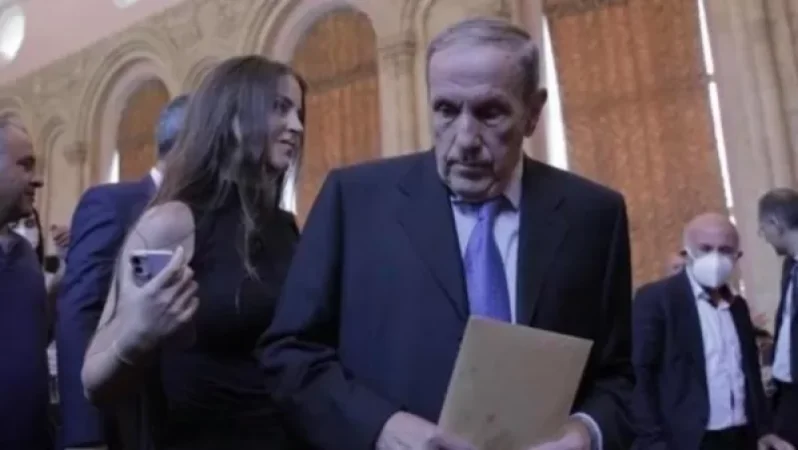
The Armenian National Congress has issued a statement, which we present below:
Summarizing the information received from the electoral headquarters covering all regions of the Republic and the party's authorized representatives, analyzing the official data of the Central Electoral Commission, as well as the statements of various political forces that participated in the elections, the reports of observation missions, and the facts and information published in the press and social networks, we can make the following preliminary observations regarding the extraordinary parliamentary elections held on June 20:
1. In violation of the requirements of the Republic of Armenia legislation, the authorities have fully utilized administrative resources, using the levers of ministries, regional administrations, and local government bodies for this purpose. This decision was effectively made from the moment Nikol Pashinyan, in gross violation of the Constitution, declared himself acting Prime Minister, and the parliamentary group of the ruling party, for various reasons, refused to make the relevant amendments to the Electoral and Criminal Codes that prohibit the use of administrative resources. The published facts indicate that the authorities did not shy away from the sad tradition of directing military voting.
2. Although amendments to the Electoral and Criminal Codes were prepared for acceptance and agreed upon with political forces and civil society to prevent the illegal use of financial resources, the authorities refused and, to everyone's surprise, postponed their implementation. As a result, the biggest defect of Armenia's electoral system over the past decade—the illegal influence of money on political processes—was fully preserved. The 'Civil Contract' party, the 'Armenia' and 'I Have Honor' blocs, and the 'Prosperous Armenia' party used financial means well beyond the limits allowed by law—millions of dollars, including in the form of electoral bribes—without any oversight. The actions of the authorities, law enforcement agencies, and electoral commissions had merely a cosmetic nature in preventing this illegality.
3. The authorities did nothing to ensure equal coverage of all political forces by mass media during the campaign. A small group of participating political forces had an obviously privileged status during the campaign. At least three television companies devoted the majority of their airtime to the campaign of the 'Armenia' bloc, at least three others to the 'I Have Honor' bloc, and at least two to the 'Civil Contract' party, putting all other political forces in a decidedly unequal competitive situation. Additionally, the ruling party set up hundreds of what are referred to as 'fake' accounts on social networks, whose main task was to spread disinformation, manipulate public opinion, and disorient the public. Furthermore, the Public Television, in violation of the law, barred several parties from participating in the televised concluding debate on June 18. The 'law-abiding' authorities even resorted to a gross violation of the requirement for a day of silence.
4. Throughout the entire campaign and especially on election day, the 'Civil Contract' party, as well as the 'Armenia' and 'I Have Honor' blocs, fully utilized the infamous 'tassovshchik' institute created during the previous regime, even though it was the government’s primary duty to ensure that the elections were free from such influences. Its main task was to recruit and direct voters for voting through various mechanisms, and the best evidence of this was the large queues characteristic of directed voting at polling centers in the early hours, as well as the high number of folded ballots cast for the 'Civil Contract' party from various corners.
5. The entire campaign was marred by insults, threats, 'compromat', calls for reckoning, and violence directed among the leaders of the ruling party and the 'Armenia' and 'I Have Honor' blocs, all under the silent gaze of electoral commissions and law enforcement bodies—a phenomenon that had not occurred in any of the previous elections.
6. The authorities did nothing to 'clean' the inflated voter lists. Various estimates suggest that around 800,000 individuals who no longer reside in Armenia are still included in the electoral rolls. Given this circumstance, serious concerns and doubts arise regarding the number of participants in the election, which is even greater than that of the National Assembly elections in 2018. Doubts are further deepened by the fact that, based on the official data published by the Central Electoral Commission, it appears that in around 300 settlements 100% of actual residents participated in the voting, while in another roughly 800 settlements, 80-90% participated.
Based on the aforementioned observations, we declare that the extraordinary parliamentary elections held on June 20 were far from being free and fair and represented a significant regression compared to the elections of 2018. Despite numerous promises and guarantees made, the authorities have again failed this test, obstructing the path of democratic development in Armenia.
Նմանատիպ հոդվածներ
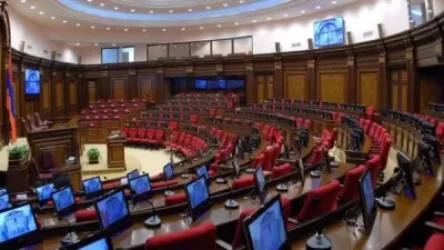
Political Forces Led by Pashinyan, Kocharyan, and Vanetsyan to Be in the 8th Convocation of the National Assembly
Azerbaijani Authorities Begin New Acts of Terror Against the Population of Artsakh, Says Tatoyan

Azerbaijan Provokes Gunfire in the Border Area of Verin Shorja Village, Gegharkunik Province

CEC Publishes Results of Recount
Ավելին Society բաժնից
Օրենքով գող կկալանավորվի. հայտարարվել է հետախուզում
Երևանից դեպի Սևան ուղղությամբ մի հատվածը ժամանակավորապես կփակվի

Գևորգ Պապոյանը ներկայացրել է էլեկտրական մեքենաների քվոտայի մնացորդները